


You bring home a small puppy because everyone says tiny dogs are easier. A few weeks later, you're cleaning another accident, repeating “come” at the front door, and wondering why a dog that looks smart on paper still ignores you on the leash. That gap is normal. Size doesn't decide trainability, temperament, motivation, and your daily routine matter just as much, and breed-level learning profiles only become useful when they're paired with real life.
The best easy to train small dog is rarely the one with the flashiest reputation. It's the dog whose energy, handling tolerance, and grooming needs fit the hours you have for practice. Keep that in mind as you read, because some of these breeds learn quickly in obedience but still need coat care, ear checks, dental work, or controlled exercise that can derail training if you ignore it. If you're also planning for transport or travel, a safe pet relocation guide can help you think through the practical side of bringing a small dog into a busy home.
Table of Contents
- 1. Cavalier King Charles Spaniel
- 2. Poodle, Miniature or Toy
- 3. Shih Tzu
- 4. Papillon
- 5. Maltese
- 6. Pembroke Welsh Corgi
- 7. Bichon Frise
- 8. Boston Terrier
- Trainability Comparison, 8 Small Dog Breeds
- Matching a Small Dog to Your Daily Routine
1. Cavalier King Charles Spaniel
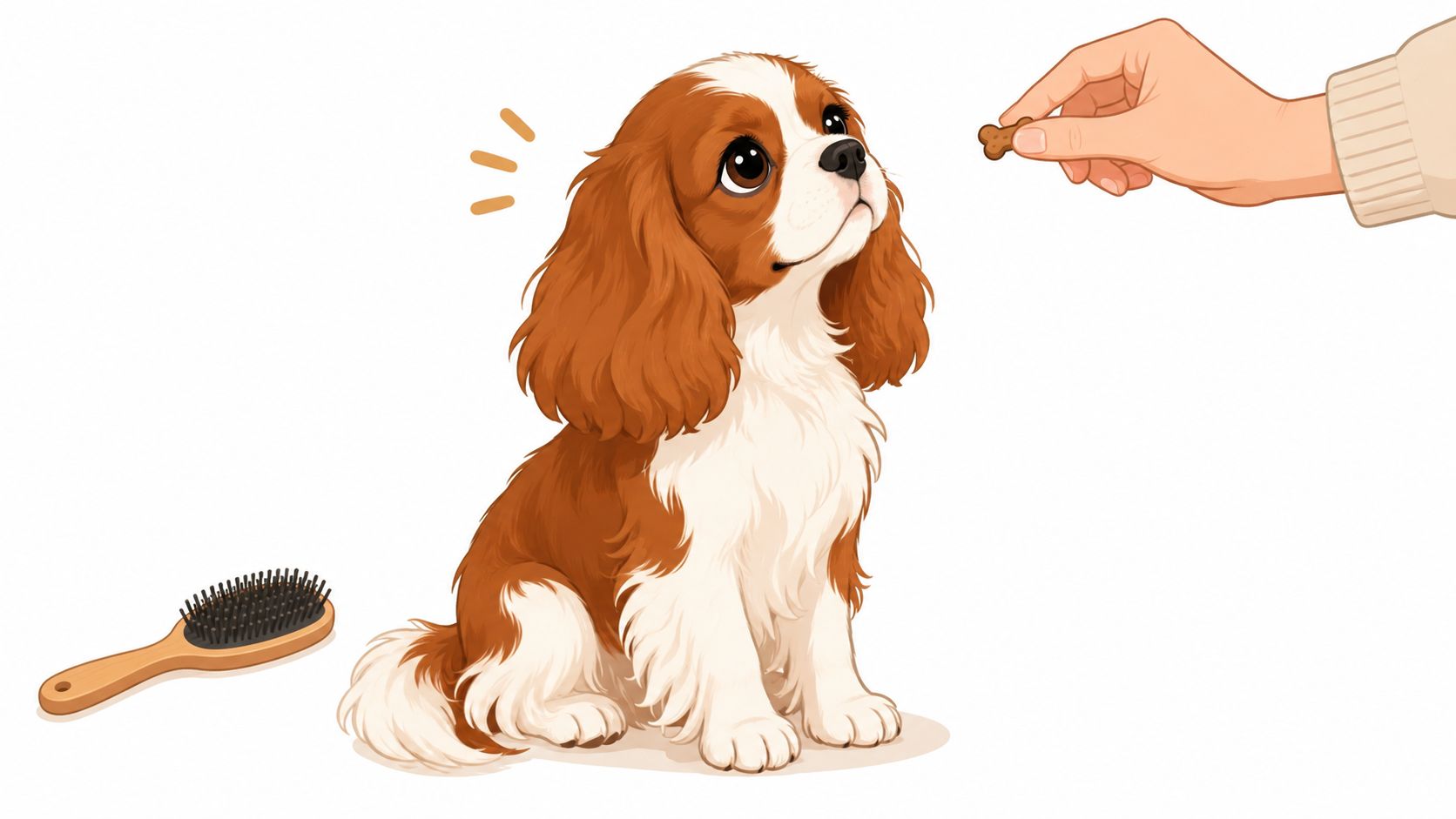
A Cavalier is often the dog people picture when they want a polite, affectionate companion that learns household rules without a struggle. In training, that usually looks like quick reward understanding, a strong pull to stay near you, and steady progress with calm repetition. That same sensitivity is a double-edged sword. Hard corrections can make the dog shut down, and if the work feels too demanding, cooperation often drops in daily life.
Practical rule: Keep sessions short, predictable, and reward-heavy. Cavaliers do best when the lesson feels easy to win.
That matters at home, especially for first-time owners who want a dog that can learn recall, polite greeting behavior, and basic house manners without turning every session into a fight. Cavaliers also fit apartment life well because they are usually moderate in energy, but they still need steady exercise to stay settled. Grooming and ear care matter too. If the coat and ears are neglected, handling becomes harder, and that can spill into training.
A Cavalier that gets consistent reinforcement, gentle handling, and a clear routine usually becomes a very workable family dog.
For owners who want a companion they can live with, train, and keep close without a heavy exercise burden, the breed fits well. For owners who want a tough, highly independent dog, it can feel too soft. The best results come from starting early, keeping the rules simple, and making calm behavior pay every day. If you're weighing spaniel traits against other small breeds, a Cocker Spaniel Corgi mix guide shows how those temperaments combine.
2. Poodle, Miniature or Toy
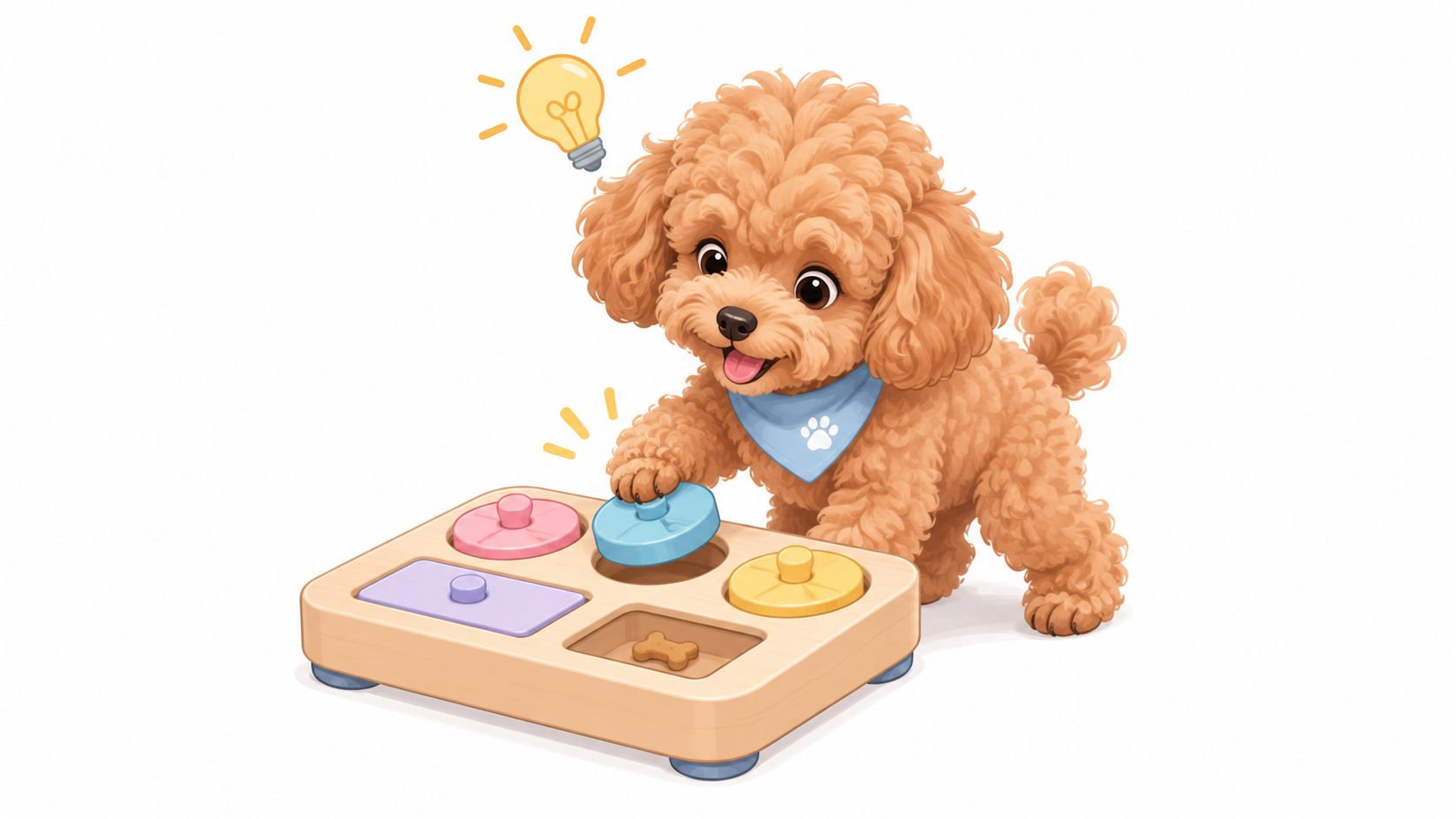
Poodles are the dogs I'd point to when someone wants a small dog that learns fast and stays mentally engaged. Miniature and toy sizes are especially appealing because you get that sharp, responsive training style in a compact body. They usually like having a job, which makes them strong students for obedience, tricks, and structured household routines. Their coat is another plus for many owners, since it can work for people looking for a lower-shedding dog.
The catch is that a clever dog gets bored if you repeat the same lesson forever. If you only teach “sit” and “down,” a poodle can outgrow the program fast and start inventing its own entertainment. That's when puzzles, scent games, and short, varied drills matter more than long drills.
If the dog is active, a grooming routine matters just as much as training. Teaching brushing, clipping, and face handling early keeps future appointments from becoming a wrestling match. The same is true for general body care. A dog that accepts hands on its feet, ears, and muzzle usually has an easier time with the rest of life.
DA-1™ Daily All-in-One - Skin/Coat, Joints, Gut Health & More is one example of a single daily supplement routine that some owners use when they want to simplify what goes into the bowl, especially if they're already managing coat or mobility concerns. That kind of routine works best when the dog's training is already structured, because consistency at mealtime often supports consistency in behavior work too.
3. Shih Tzu
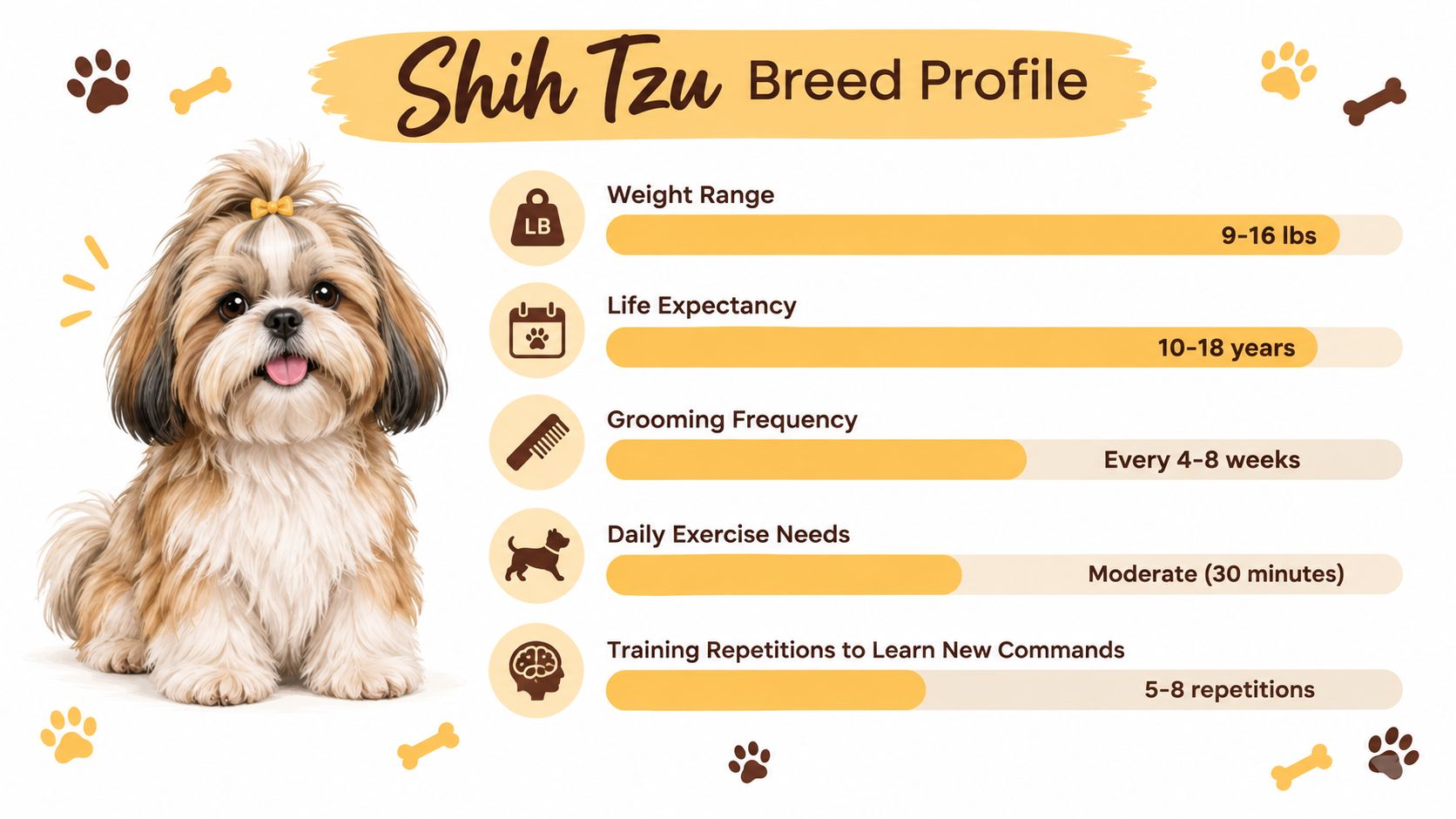
Shih Tzus learn well when you stop trying to make them into another breed. They're companion dogs first, and that means they usually respond best to calm repetition, good rewards, and clear boundaries that don't feel harsh. People sometimes call them stubborn, but in practice I often see a dog that just won't perform well for pressure. Once the dog understands that cooperation is safe and rewarding, progress usually comes faster.
What helps them learn day to day
- Use reward-based handling: A Shih Tzu that likes the consequence of a behavior will repeat it more readily than one that feels pushed.
- Start grooming work early: Brushing, face care, and coat handling are easier when they're taught as normal life, not special events.
- Keep routines steady: Regular timing for meals, bathroom breaks, and short practice sessions often reduces avoidable frustration.
That routine matters because a small companion dog can become anxious when the household feels chaotic. Shih Tzus fit apartment living well, and they can be a strong choice for older owners or anyone who wants a lower-exercise dog, but they still need training that respects their temperament. Dental care matters too. If a dog's mouth is sore or neglected, you may notice less willingness to take treats or cooperate with handling, and that slows everything down.
For people who want a polite house dog rather than a high-octane athlete, the breed is practical. For people who dislike grooming or want a dog that powers through repeated drills, it's a poor match. If you want a mix of affection and manageable training, this breed can be very liveable when you keep the work gentle and predictable.
You can also look at related breed traits in a Shih Tzu Corgi mix guide if you're comparing coat care and temperament across similar small dogs.
4. Papillon
Papillons are tiny, bright, and usually far more capable than people expect from a toy dog. The name means butterfly, which fits the ears, but the deeper story is their energy and responsiveness. They're a strong fit for owners who like training as an activity, not just a chore. If you enjoy tricks, agility foundations, or fast obedience work, this breed often gives you a lot back for the time you put in.
The downside is that a smart, energetic small dog needs engagement or it can become noisy, clingy, or restless. That's why short sessions work better than long ones. Change the task, change the reward, then stop before the dog checks out.
Keep Papillon sessions brief and sharp. Five minutes of focused work is usually better than twenty minutes of fading attention.
Socialization matters early, because confidence is the difference between a dog that shines and a dog that gets jumpy around motion, sound, or handling. Owners who treat the breed like a lap ornament often end up frustrated. Owners who treat it like a small athlete usually do much better. If you want a dog that can learn quickly and enjoys learning, this is one of the strongest small-dog options.
The practical trade-off is simple. You get exceptional trainability in a very small package, but you also need to keep the brain busy and the dog physically organized. A bored Papillon is not an easy housemate. A well-run Papillon can be one of the most satisfying small dogs to train.
You can compare similar mix traits in a Corgi Papillon mix guide if you're deciding whether you want this kind of speed and alertness in a slightly different body.
5. Maltese
Maltese dogs are delicate-looking, but they're not fragile thinkers. Many owners are surprised by how quickly these dogs pick up household expectations when the rewards are worth it. They often want closeness and approval, which makes positive reinforcement a strong fit. The training challenge isn't usually intelligence. It's keeping sessions consistent while protecting the dog from fearfulness and overhandling.
Where the breed fits best
A Maltese works well for owners who want a calm companion that still learns basic manners, leash work, and house routines. They can suit active homes or quieter ones, as long as the dog gets attention and a predictable schedule. The coat and dental routine matter a lot here. If grooming gets neglected, the dog's comfort drops, and so does cooperation.
A lot of people underestimate how much handling shape matters with this breed. A puppy that learns brushing, eye cleaning, and gentle restraint early is much easier to live with later. A puppy that only gets handled when something is already wrong can become resistant fast. That's where daily life and training blend together.
The best Maltese owners are usually patient, tidy, and consistent. They don't expect a tough little dog. They expect a responsive companion and build habits around that. For a small-dog owner who wants charm, closeness, and teachability, the Maltese can be an excellent fit.
6. Pembroke Welsh Corgi
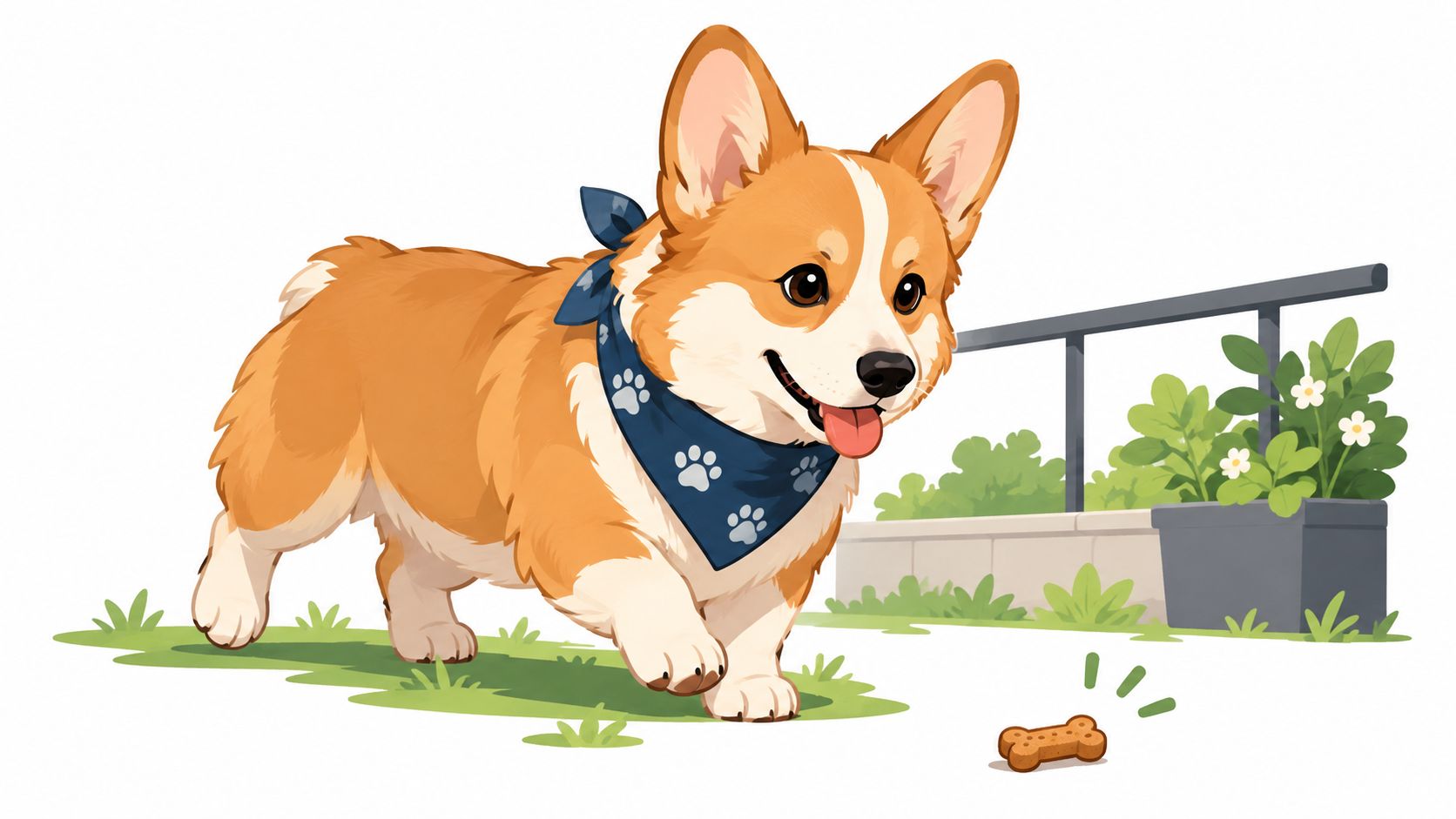
Pembroke Welsh Corgis are small in height, not small in attitude. They're herding dogs, so they usually learn fast, stay alert, and enjoy having a job. That makes them useful for owners who want a dog that can handle obedience, controlled movement work, and structured daily tasks. They're also typically food-motivated, which helps in the early stages when you're building habits.
The issue is that the same instincts that make them sharp can make them bossy or obsessive if you don't guide them. Herding behavior doesn't disappear because the dog lives in a house. It shows up around children, movement, doors, and anything the dog thinks needs managing. Early training matters because it gives that drive somewhere to go.
Trainer's note: Treat the herding instinct like energy that needs direction, not like a problem to crush.
The body structure also matters. Their short legs and long backs mean you need to think carefully about jumping, stairs, and high-impact play. If you overdo the physical side, the dog can become less comfortable and less willing to work. That's why calm conditioning and sensible exercise are more important than constant hard exercise.
For an owner who wants a smart, active small dog and doesn't mind managing food portions, structure, and body mechanics, the breed can be excellent. For someone who wants a low-maintenance couch dog, it can be more dog than expected. Related body-type comparisons are useful too, and a Mini Pin Corgi mix guide can help if you're weighing similarly compact herding mixes.
7. Bichon Frise
Bichons are cheerful, social dogs that usually like learning when the lesson feels fun. They tend to do well with owners who keep training upbeat and consistent, because their willingness to participate is a real advantage. They're not just pretty dogs for the grooming table. They're often responsive little learners when the environment is managed well.
The downside is that their coat and skin care can't be ignored. A Bichon that isn't groomed regularly can become uncomfortable, and discomfort often shows up as resistance during handling. That means the training plan has to include ear cleaning, brushing, and calm acceptance of being touched.
Why they work for many homes
- They respond to fun: Make the exercise feel like a game and they'll often stay engaged longer.
- They handle mixed routines well: They can fit apartments, busy homes, and many first-time-owner schedules if grooming is planned.
- They need social confidence: Consistent exposure to new people, places, and sounds helps prevent nervous habits later.
Bichons are a good reminder that trainability is not just about obedience cues. It's about whether the dog can live calmly with the way you handle daily life. If you have the discipline to maintain grooming and keep practice positive, the breed can be very easy to live with. If grooming turns into a constant battle, training becomes harder than it should be.
8. Boston Terrier
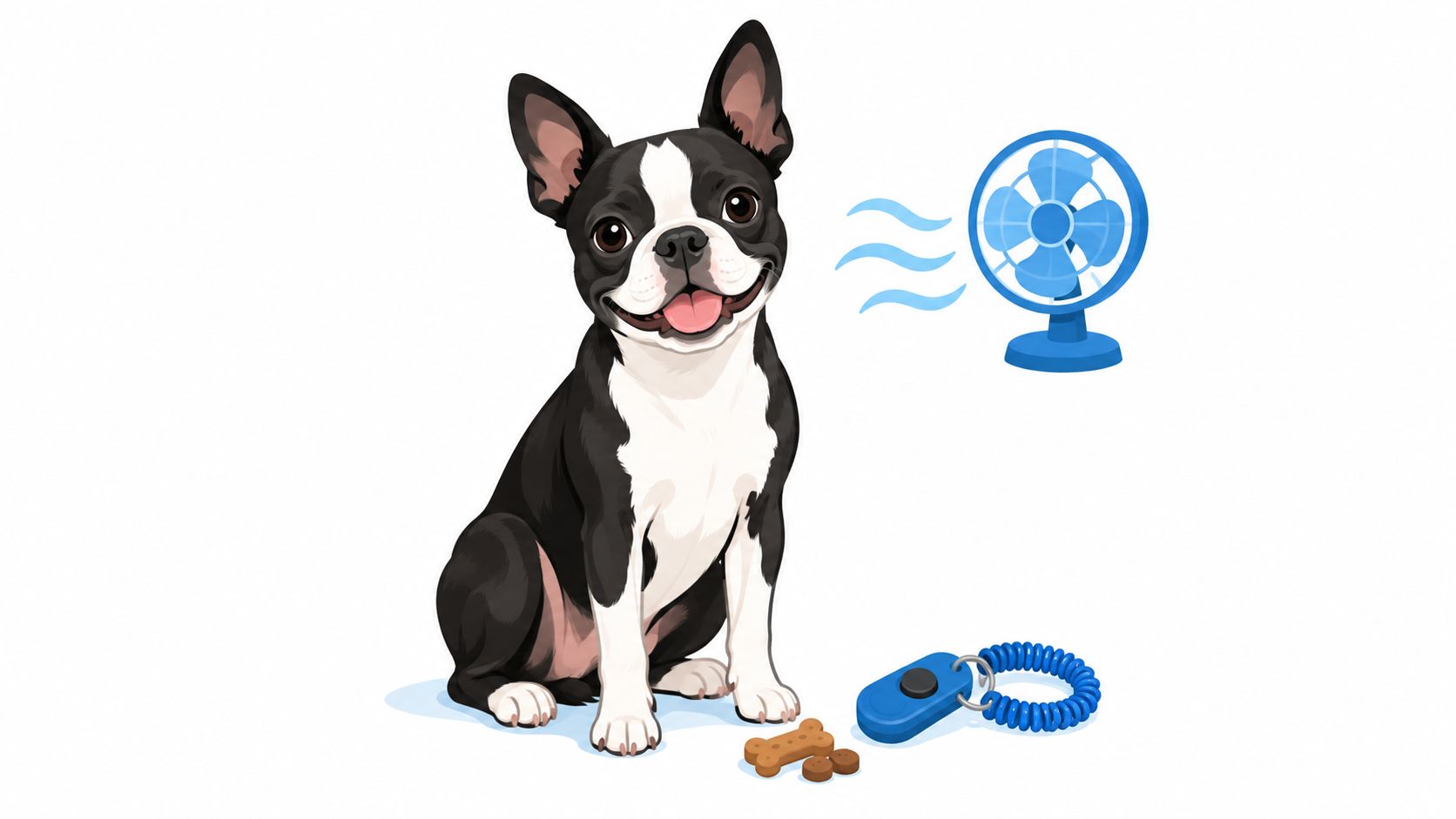
Boston Terriers are compact, alert, and usually eager to work for food and attention. That makes them appealing to people who want a small dog with personality and a training style that feels practical rather than fussy. They often pick up tricks and household manners quickly when the reward is immediate and clear. They also tend to enjoy being involved in whatever the family is doing.
The trade-off is physical management. These dogs can have breathing limitations, so heat and heavy exertion are poor choices. Short, cool sessions are better than long, intense ones. If you push the pace on a hot day, the dog can become uncomfortable fast, and that undermines the whole training session.
A consistent potty routine matters too, because bathroom success is much easier when you stop guessing. Reward the behavior you want immediately. Don't wait until the dog has already wandered off. For a Boston, the timing of the reward can be as important as the command itself.
If you want a lively small dog that likes learning, the breed is a strong contender. If you want a dog that can take constant physical pressure, it's the wrong match. Good owners keep the work brisk, the treats valuable, and the environment cool.
You can also compare body and temperament traits in a Boston Terrier Corgi mix guide if you're trying to narrow down a compact, food-motivated dog with some real attitude.
Trainability Comparison, 8 Small Dog Breeds
| Breed | Training complexity 🔄 | Resource needs ⚡ | Expected outcomes ⭐ 📊 | Ideal use cases | Health / Supplement relevance 💡 |
|---|---|---|---|---|---|
| Cavalier King Charles Spaniel | Low, eager, responsive to positive reinforcement | Moderate, regular grooming, daily walks | ⭐ Reliable companion; good therapy/emotional support potential 📊 | First-time owners, families, apartment living | High, prone to heart/joint issues; DA-1™ preventive relevance |
| Poodle (Mini/Toy) | Very low, exceptionally fast learners; needs mental challenge | High, frequent professional grooming, strong mental stimulation | ⭐ Excellent obedience/agility results; high trainability 📊 | Competitive obedience, service work, allergy-friendly homes | High, active joints & skin sensitivity; DA-1™ beneficial |
| Shih Tzu | Moderate, can be stubborn; rewards-based training works best | High, intensive grooming, moderate exercise | ⭐ Loyal companion; well-suited to seniors and therapy roles 📊 | Apartment living, elderly owners, therapy settings | Medium‑High, dental, skin, joint care advised; DA-1™ useful |
| Papillon | Very low, top-tier intelligence; rapid skill acquisition | High, intense daily mental/physical stimulation despite small size | ⭐ Elite obedience/agility performance; strong problem-solving 📊 | Competitive agility/obedience, active owners seeking challenge | High, joint/stress/gut support recommended for active dogs |
| Maltese | Low, food-motivated and trainable with short sessions | High, frequent grooming, dental care, careful handling | ⭐ Affectionate companion; good for therapy and travel 📊 | Small-space living, travel companions, seniors | Medium‑High, dental, coat, joint support beneficial (DA-1™) |
| Pembroke Welsh Corgi | Low‑Moderate, intelligent but herding instincts require direction | Moderate, regular brushing, controlled exercise to prevent weight gain | ⭐ Strong obedience/agility potential; may display herding behaviors 📊 | Active families, agility, herding training | High, spinal/joint and weight management critical; DA-1™ recommended |
| Bichon Frise | Low, enthusiastic, eager to please; learns quickly | High, professional grooming, routine ear/skin care | ⭐ Excellent for tricks, shows, therapy; adaptable 📊 | Families, allergy‑sensitive homes, show competition | High, skin/coat/allergy support valuable; DA-1™ relevant |
| Boston Terrier | Low, food-motivated and quick to learn; adjust for breathing limits | Low‑Moderate, minimal grooming, careful exercise in heat, digestive monitoring | ⭐ Responsive companion; good for tricks and therapy 📊 | Apartment living, therapy, families | High, brachycephalic, digestive and joint concerns; DA-1™ helpful |
Matching a Small Dog to Your Daily Routine
The right small dog is the one you can train and maintain, not the one with the best headline reputation. A Cavalier usually fits a gentle household that wants softness and steady reinforcement. A Miniature or Toy Poodle fits owners who want a sharp learner and don't mind staying ahead of boredom. A Shih Tzu works well for people who want an affectionate companion and can commit to grooming and routine. A Papillon suits an active trainer who likes quick learning. A Maltese often fits someone who wants a close companion and can manage coat care. A Pembroke Welsh Corgi needs structure, food control, and smart channeling of instinct. A Bichon Frise needs grooming consistency and cheerful reinforcement. A Boston Terrier works best for people who want a compact, food-driven learner and can respect heat and breathing limits.
Use short, consistent sessions, and stick with positive reinforcement. That approach lines up with the wider trainability research, which shows that learning still depends on repetition and clear reinforcement, even in dogs that are considered responsive. It also matters for young dogs that missed socialization, because fear, arousal, and handling sensitivity can look like disobedience when the issue is discomfort. If your puppy struggles after a disrupted start, read the behavior before you label the dog as difficult.
Before you choose, schedule early grooming, dental checks, and ear care where relevant, and talk with a veterinarian about breed-specific health concerns before adding any supplement. The goal is to pick a dog whose training style, coat care, and exercise needs match your real schedule, not your ideal one. If you're deciding between two or three breeds, shortlist them and visit a reputable breeder or rescue to meet adult dogs in person. The way a dog takes treats, recovers from noise, and accepts handling will tell you more than a glossy breed description ever will. If you need a practical way to move a dog safely once you've chosen, the Lounge Wagon pet transport guide is worth a look.
Pure Paw Labs focuses on human-grade dog supplements that support daily routines, which matters when training, grooming, and general care all have to work together. If you want one simple option to pair with a structured small-dog lifestyle, visit Pure Paw Labs and review what they offer before you decide what fits your dog's needs.