


You know the moment. Your dog leans in for a cuddle, and the smell hits you first. You wonder if it's just “dog breath,” but then you notice the yellow film near the gums, or your dog pulling away when you try to peek inside the mouth.
That's usually when owners start shopping for dog dental care products. The tricky part is that the shelf is full of items that look similar but do very different jobs. Some clean mechanically, some help with bacteria, and some are only useful as support. Picking the right mix starts with understanding what each product can do, and what it can't.
Table of Contents
- Why Your Dog's Dental Health Matters More Than You Think
- Understanding Your Options from Toothbrushes to Water Additives
- Selecting Products Based on Your Dog's Needs and Personality
- Creating a Simple and Sustainable Daily Dental Routine
- Safety Signals and When Professional Care Is Necessary
- How Dental Care Supports Your Dog's Overall Wellness
Why Your Dog's Dental Health Matters More Than You Think
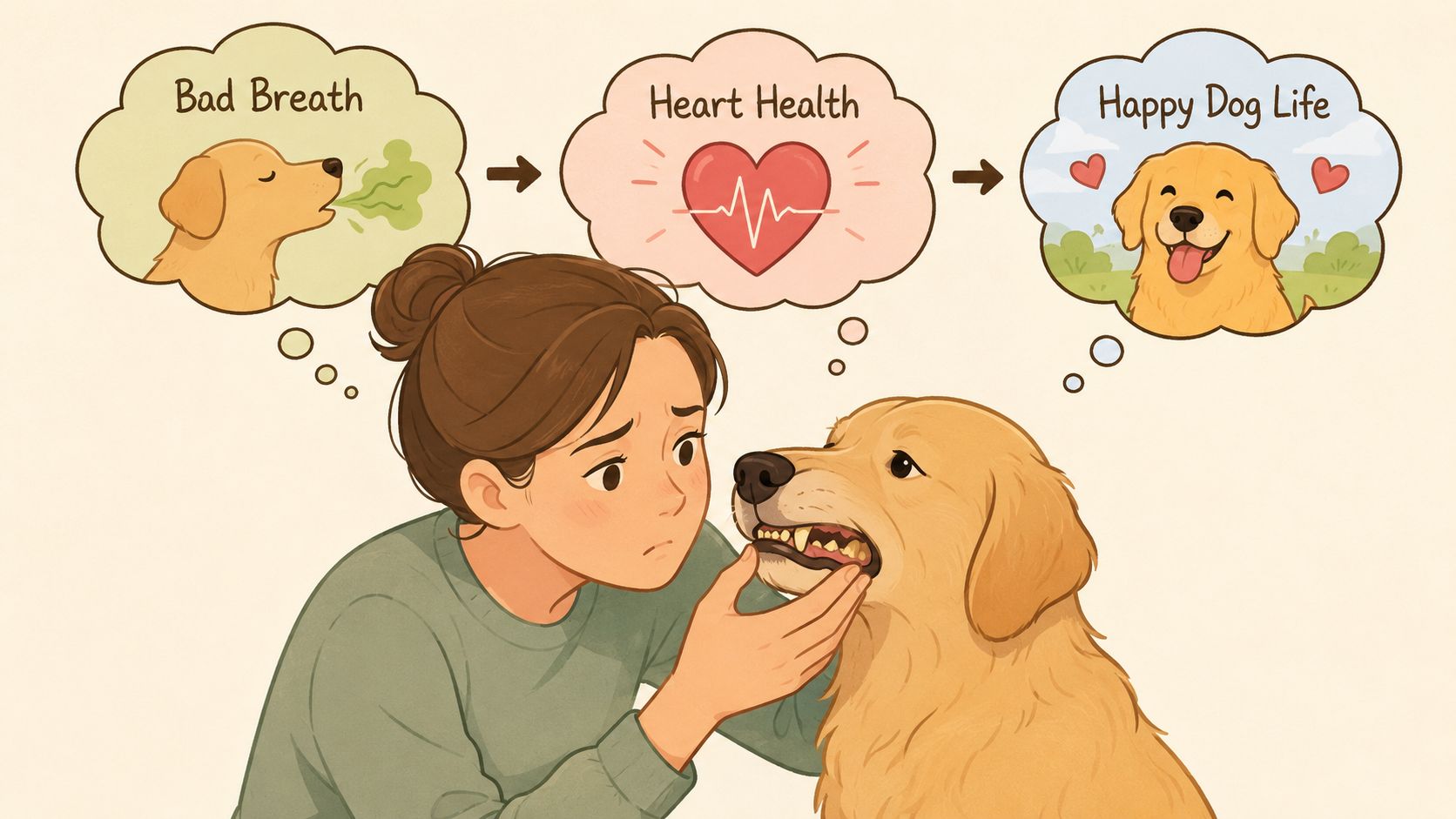
Bad breath is the symptom commonly noticed, but it's rarely the whole story. A mouth full of plaque and tartar can irritate the gums, make chewing uncomfortable, and turn a routine cuddle into a warning sign you can't ignore. If your dog seems less interested in hard food, pawing at the mouth, or suddenly suspicious of tooth brushing, those are clues that the problem may be bigger than odor.
Oral health matters because the mouth doesn't stay isolated from the rest of the body. Once inflammation is established, dental disease can become part of a broader health burden, which is why veterinarians push prevention so hard. A healthy mouth supports comfort, eating, and long-term wellness, not just fresher breath.
The market growth tells the same story from another angle. The global pet dental health market was estimated at USD 8.25 billion in 2024 and is projected to reach USD 12.70 billion by 2030, implying a 7.57% CAGR from 2025 to 2030, according to Grand View Research. That growth reflects rising pet ownership, pet humanization, and greater awareness from owners and veterinarians about oral hygiene. In plain terms, more people are treating dental care as a normal part of pet care, not a last-minute fix.
Practical rule: if your dog's breath has changed and the gums look irritated, don't wait for the next annual visit. Start a home plan now, and let a veterinarian check whether the problem is still in the prevention stage.
Understanding Your Options from Toothbrushes to Water Additives
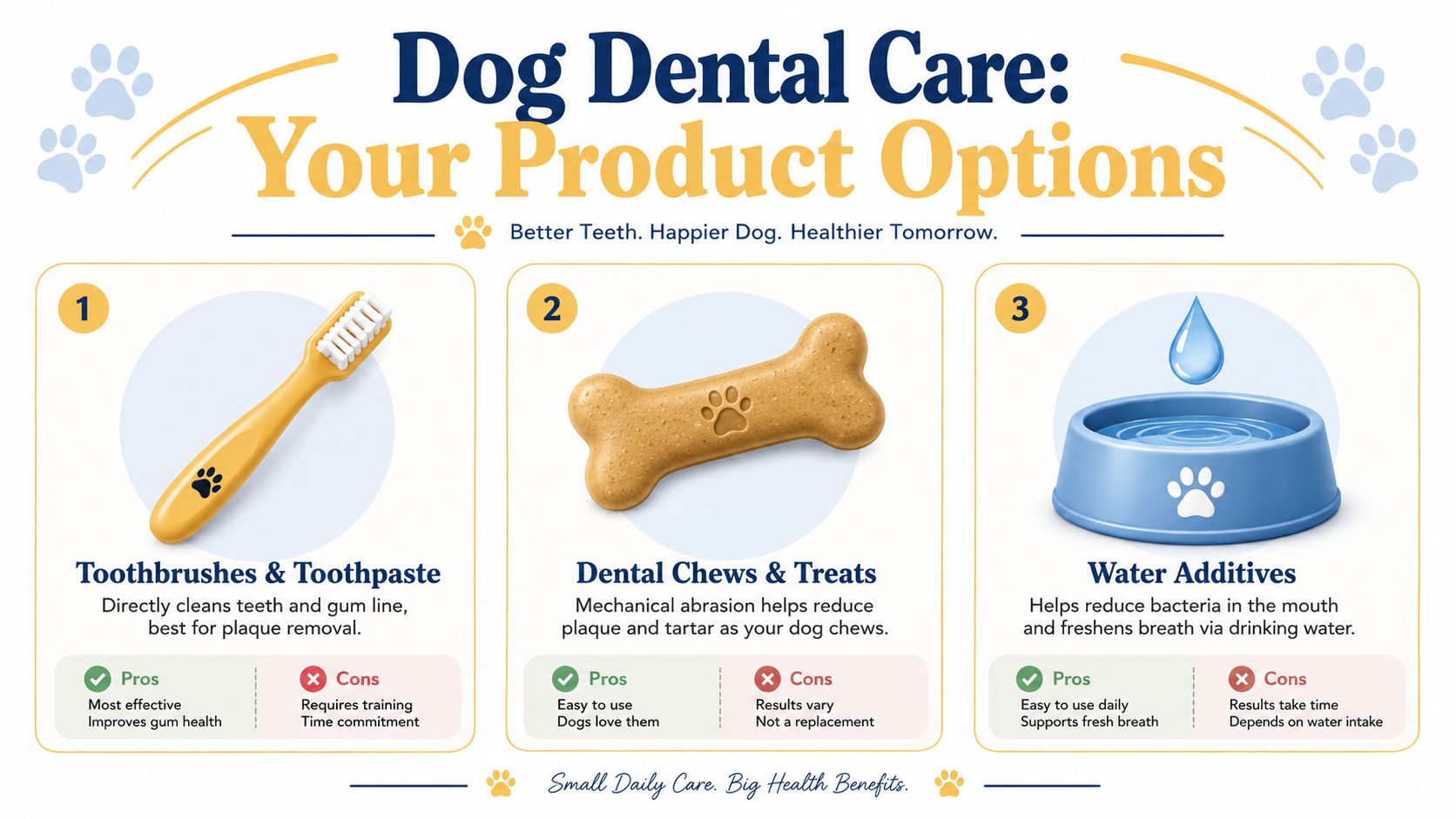
A dog with a shiny bowl, a drawer full of dental products, and still worsening breath can leave any owner confused. The reason is simple. Dog dental care products do different jobs, and the right choice depends on how a dog accepts handling, what their mouth can tolerate, and whether the product cleans the tooth surface or only supports the routine.
Start with mechanical cleaning
Brushing reaches the gum line, where plaque starts to build. That is why the American Veterinary Medical Association treats regular brushing as the single most effective home method for maintaining oral health, while dental chews and water additives play a supporting role for dogs that resist brushing. A toothbrush and pet-safe toothpaste do the most direct work because they scrub the tooth surface instead of just coating it.
For a new dog owner, that difference is a lot like wiping a countertop versus spraying it with air freshener. One removes the buildup, the other can only help with the overall environment. If a dog tolerates it, brushing should stay at the center of the plan.
Then add support tools
Dental chews, wipes, sprays, and water additives help fill in the gaps when brushing every day is not realistic. Chews matter because chewing creates abrasion, which is why they are often included in a broader home routine. Water additives and sprays are easier to use, but they do not replace physical cleaning of the tooth surface.
A product may be helpful without being enough on its own. That is why the label should be read as part of a plan, not as a promise that one item can do everything. For a dog that refuses a brush, a chew or additive can still be useful, but it should be chosen with the understanding that support is not the same as direct cleaning.
Quick comparison for everyday shopping
| Product Type | Primary Action | Effectiveness for Plaque and Tartar | Best For |
|---|---|---|---|
| Toothbrushes and toothpaste | Direct mechanical cleaning at the teeth and gum line | Strongest home option | Dogs who tolerate handling |
| Dental chews | Mechanical abrasion during chewing | Supportive, product-dependent | Dogs who need a low-friction routine |
| Water additives | Added to drinking water to support oral freshness | Supportive, not a replacement for brushing | Dogs who resist hands-on care |
The VOHC Seal of Acceptance gives owners another way to sort through the shelf. Products with the seal have met a preset standard for controlling plaque or tartar in controlled studies, which gives you a better filter than a marketing claim alone. If you are unsure how to compare products, Pure Paw Labs' dental defense help and FAQs can also be a useful place to review how different formats fit into a home routine.
One example of a multi-system product that some owners already use for broader wellness is DA-1™ Daily All-in-One - Senior Dog Support, Joints, Skin/Coat & More, which is described as a once-daily powder with 18 human-grade ingredients and no fillers. It is not a dental product, so it should not be used as a substitute for oral-care tools. The dental routine still depends on products made for the mouth.
Selecting Products Based on Your Dog's Needs and Personality
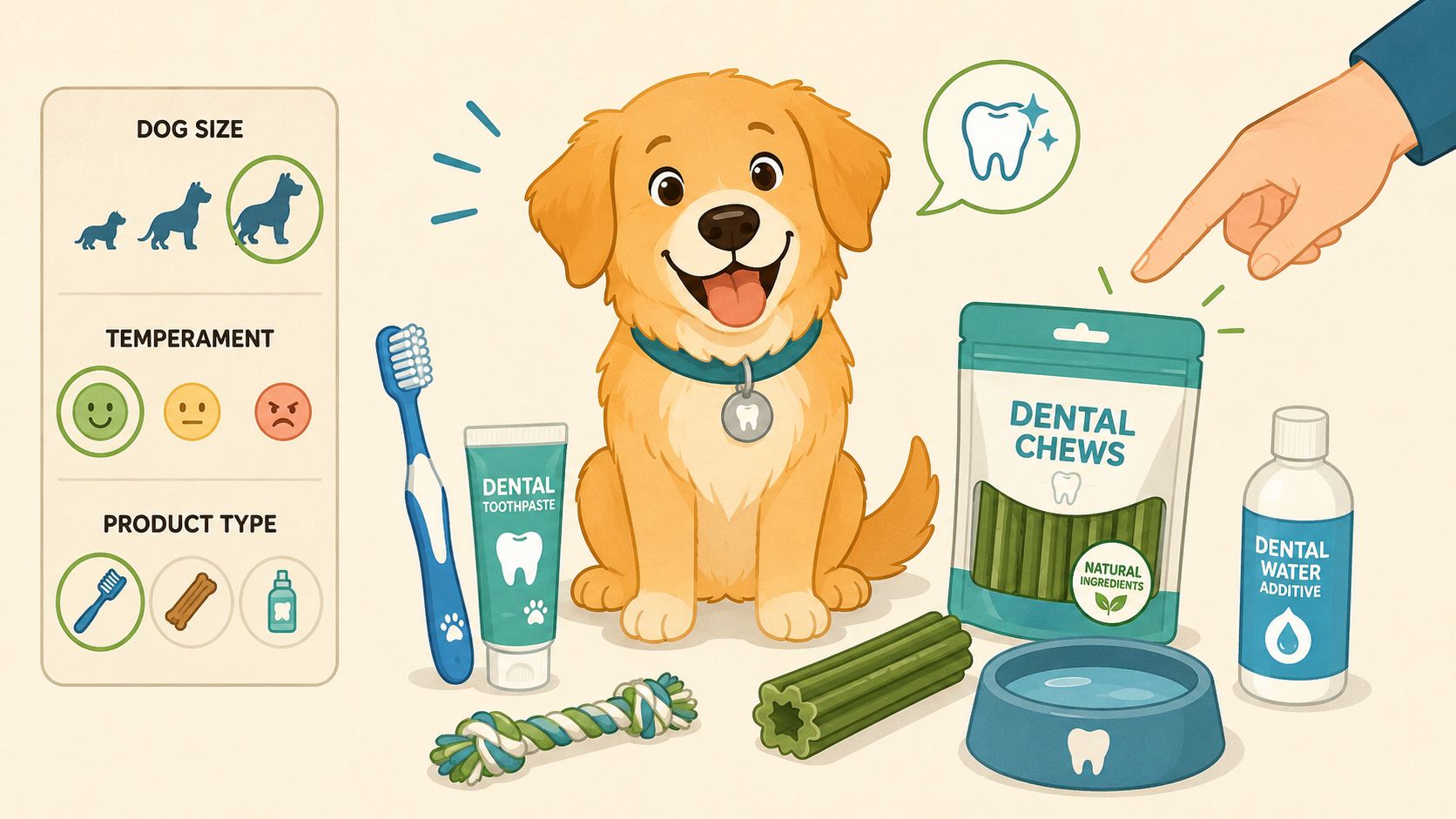
A good dental product fits the dog first, then the routine. A puppy learning to accept handling, an older dog with sore gums, and a cautious dog that resists mouth contact all need different starting points. Age, mouth size, health history, and temperament shape what will get used at home.
Start with the dog in front of you. A young dog with patience can often learn tooth brushing faster than an older dog that dislikes restraint. A small dog may need a brush head and chew size that fit the mouth comfortably, while a larger dog may do better with something sturdier and easier to hold. Dogs with sensitive stomachs or carefully managed diets also need ingredient lists that are simple enough to swallow without causing avoidable upset.
That makes the clean-label question practical, not trendy. A product that is gentle to swallow is not automatically useful for plaque control, and a formula that sounds active does not help if your dog refuses it. Owners of dogs with GI sensitivity often get better results by choosing the simplest format their dog accepts, then judging it by how reliably it fits the routine.
The mouth still needs a real cleaning method. For that reason, the Veterinary Oral Health Council, or VOHC, Seal of Acceptance is worth learning to spot. Products with the seal have met a preset standard for controlling plaque or tartar in controlled studies, so the seal gives you a stronger evidence signal than a marketing claim alone. If two products seem similar, that seal can help separate the one with better support from the one that only sounds convincing.
If you are comparing options and want help understanding how they fit into home care, Pure Paw Labs' dental defense help and FAQs can be a useful reference.
A dog's personality matters just as much as mouth size. A cooperative dog can usually begin with brushing and a chew. A nervous dog may need a wipe, a short brush, and a slower introduction. A dog that dislikes all handling may only accept a support product at first, but the long-term goal still points toward some form of mechanical cleaning when possible.
Some owners also look at broader wellness products for dogs with more than one daily need. One example is DA-1™ Daily All-in-One - Senior Dog Support, Joints, Skin/Coat & More, which is described as a once-daily powder with 18 human-grade ingredients and no fillers. It is not a dental product, so it should not replace oral-care tools. The plan still has to include products made for the mouth, because teeth and gums need direct contact to stay cleaner.
Creating a Simple and Sustainable Daily Dental Routine
A routine that stays short and repeatable usually works better than an ambitious plan that falls apart after a few days. Most dogs learn faster when each session feels low pressure, predictable, and easy to repeat. The aim is to make oral care feel normal, the same way a leash walk or dinner feels normal.
Build the habit in small pieces
Start by letting your dog lick a little pet-safe toothpaste from your finger. Then move to a finger brush or a gentle rub along the gum line. Once that feels familiar, introduce a dog toothbrush for very brief contact, only a few teeth at first.
Rewarding the session matters as much as the brushing itself. Praise, calm body language, and a small reward help your dog connect the routine with something safe and familiar. A dog that trusts the process will usually accept a little more over time.
The easiest routines are the ones that do not ask for perfection. A few good strokes done daily help more than a stressful, rushed cleanup once a week. A routine built around small, repeatable steps also gives you room to match the products to your dog's age, comfort level, and health needs, which is the same kind of practical decision-making that matters in natural dog dental care.
Here's a simple way to think about two common dog personalities:
- The Cooperative Companion: brush daily, add a chew after dinner, and keep the session brief.
- The Stubborn Sniffer: start with toothpaste exposure, then a finger brush, then one side of the mouth at a time before moving to a full brush.
The recurring theme is consistency. If your dog only tolerates thirty seconds, use those thirty seconds well and stop before the struggle starts. That makes the next session easier, not harder.
Here's a short video that can help you visualize the motion and pace of a beginner-friendly routine.
Safety Signals and When Professional Care Is Necessary
Home products have limits, and it's important to respect them. If your dog has bleeding gums, visible broken teeth, swelling, loose teeth, bad breath that suddenly worsens, or a refusal to eat, those signs need a veterinary exam. Store-bought products can support maintenance, but they can't diagnose, numb, extract, or clean below the gum line.
What home care can't fix
Plaque on the visible tooth surface is one thing. Established periodontal disease is another. Once infection and tartar move under the gum line, the mouth often needs professional treatment, not more chewing or wiping.
A professional dental cleaning usually includes anesthesia so the veterinary team can examine the mouth thoroughly, scale the teeth, polish the surfaces, and address problem areas that you can't safely reach at home. That matters because a sleepy dog on a bath mat is not the same as a fully examined mouth under proper clinical conditions. If your dog already has painful inflammation, the clinic visit is the treatment path, not the backup plan.
When to stop experimenting
Stop trying new home products and call the veterinarian if you see:
- Bleeding during normal chewing or brushing, because that suggests active gum irritation.
- A sudden change in appetite or chewing behavior, because pain often shows up there first.
- A broken tooth, swelling, or a foul smell that's getting worse, because those can signal deeper disease.
- A dog who resists touch much more than usual, because mouth pain can make even gentle handling feel intolerable.
If the mouth looks painful, treat that as a medical issue first and a product issue second.
That's the cleanest boundary to remember. Dog dental care products are for prevention, maintenance, and support. They're not a substitute for diagnosis when the signs suggest established disease.
How Dental Care Supports Your Dog's Overall Wellness
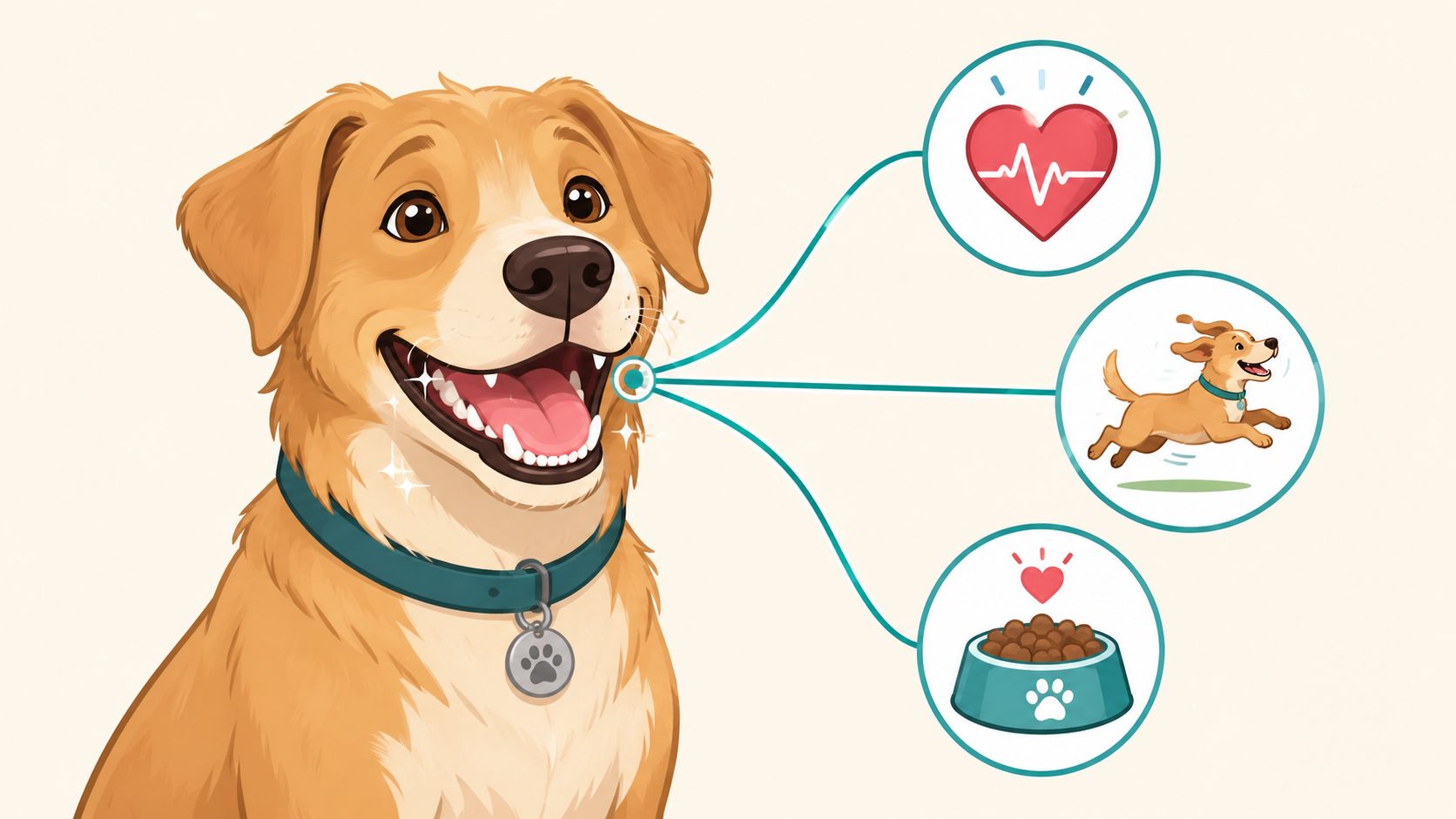
A healthy mouth is one part of a dog that feels comfortable, eats normally, and stays easier to handle during regular care. That's why dental habits work best when they sit inside a broader wellness plan that includes nutrition, movement, and sensible daily support. Oral care protects one system, but the dog benefits most when the whole routine is steady.
The broader takeaway is simple. Use brushing as the anchor when your dog allows it. Add a chew or water additive when you need support. Choose products that fit the dog's age, behavior, and tolerance instead of forcing a one-size-fits-all plan. When you do that, the mouth becomes easier to maintain and the whole dog tends to feel easier to care for.
For owners who like a more complete daily wellness routine, a multi-system supplement can sit alongside dental care without replacing it. DA-1™ Daily All-in-One is presented by Pure Paw Labs as a once-daily powder for broader support, but oral health still needs oral-care tools. The best results come from matching the right products to the right job.
If your dog's breath, gums, or chewing habits have changed, don't guess. Choose one dental product you can use today, build a short routine you can repeat tomorrow, and book a veterinary exam if anything looks painful or persistent. A simple plan started now is a lot better than a complicated plan you never end up using.
A CTA for Pure Paw Labs.