


You notice it when your dog climbs into your lap and pants in your face. The breath smells sour, heavier than the usual dog smell, and you start wondering whether this is normal or the first sign of a bigger problem.
That moment catches a lot of people off guard. Dogs can seem completely fine while plaque is building along the gumline, tartar is hardening on the back teeth, and the mouth is getting more inflamed week by week. By the time a dog starts dropping food, chewing on one side, or pulling away from touch near the muzzle, the issue often isn't “just bad breath” anymore.
Natural dog dental care can help a lot, but it works best when you treat it like a routine, not a rescue plan. Good food choices, chewing habits, and daily home care all support the mouth in different ways, just like broader wellness habits support the rest of the body. If you're already thinking about whole-body care, this guide on holistic dog nutrition fits well alongside a dental routine.
Table of Contents
- Why Natural Dental Care Matters for Your Dog
- The Gold Standard Brushing Your Dog's Teeth
- Beyond the Brush Chews Diet and Supplements
- Common Mistakes and What to Avoid
- When Natural Care Is Not Enough
-
Frequently Asked Questions About Dog Dental Care
- How often should my dog have a professional dental cleaning
- Are some dogs more prone to dental problems
- What should I do if my dog has bad breath even with home care
- How often should I check my dog's mouth at home
- What if my dog seems fine but skips hard food or toys
- Should puppies get dental care too
Why Natural Dental Care Matters for Your Dog
Most owners first notice dental trouble through smell. A dog still eats, still plays, still wags, but the breath changes. Then you lift the lip and see yellow or brown buildup near the gumline, especially on the big back teeth that do most of the chewing.
That buildup starts with plaque, which is a bacterial film. If it isn't removed, it hardens into tartar and irritates the gums. Once the gums stay inflamed, cleaning gets harder, brushing gets more uncomfortable, and a dog can end up trapped in a cycle where the mouth feels worse and home care becomes less realistic.
Bad breath is often a symptom, not the whole problem.
Natural dog dental care matters because it gives you a way to interrupt that cycle early. It can reduce the bacterial load in the mouth, slow new buildup, and keep the gums calmer between veterinary visits. It also makes it less likely that your dog's first real dental intervention happens only after pain has already set in.
The most useful mindset is simple. Home care is prevention. Professional care is treatment when prevention isn't enough. When owners understand that difference, they usually make better choices and avoid the extremes of doing nothing or relying on one trendy chew to solve everything.
The Gold Standard Brushing Your Dog's Teeth
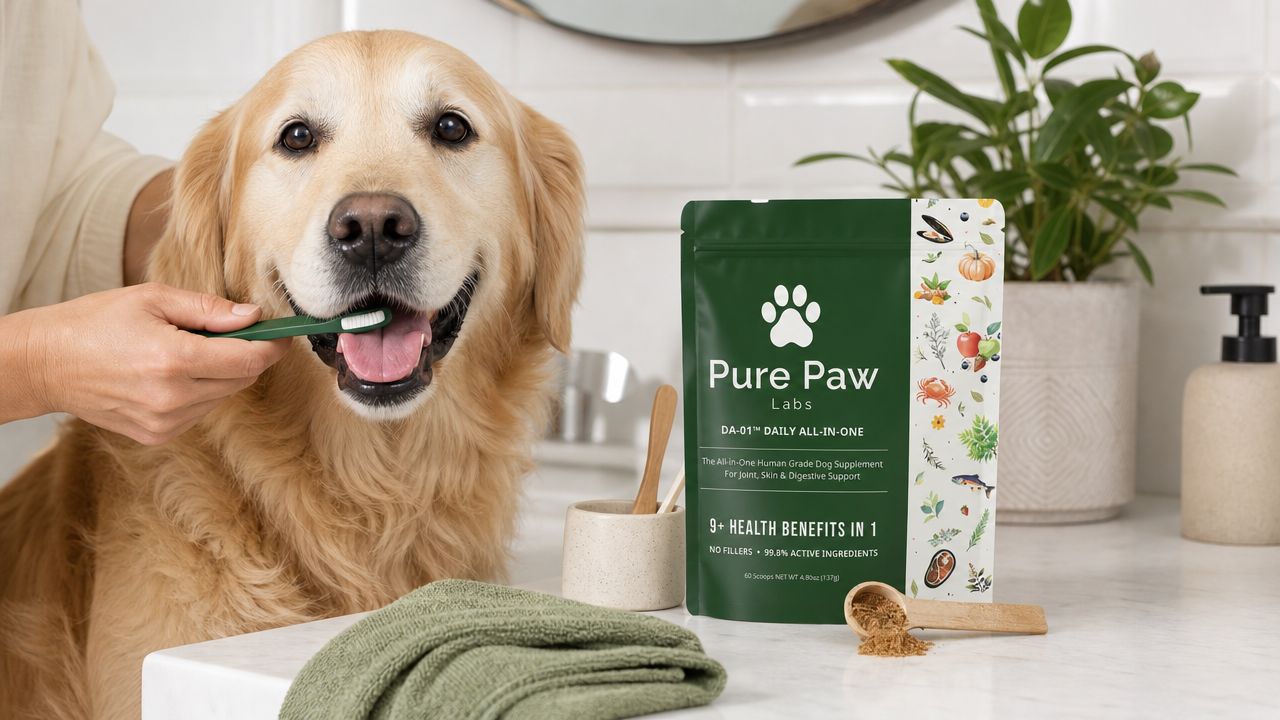
Brushing still sits at the top of the stack. The AVMA guidance on pet dental care says daily brushing is best, though brushing several times a week can still be effective. The same guidance also supports routine oral checks, and AKC guidance cited there recommends annual professional exams and cleanings beginning at 1 year for small-breed dogs and 2 years for large-breed dogs.
Why brushing stays at the top
Brushing gives you direct contact with the tooth surface and gumline. That's the area where plaque collects first, and it's the area most other home tools reach only indirectly.
A controlled study in dogs that already had deposits found that the home routine with meaningful improvement was weekly brushing combined with a daily water additive, while one dental chew per day or brushing every other day only partially removed deposits in dogs that had deposits but no gingivitis, according to the controlled home-care study on canine oral regimens. That's a useful reality check. Intermittent care helps some, but consistency matters.
How to teach a reluctant dog
Most brushing problems are training problems, not dog problems. If a dog hates the toothbrush on day one, slow down.
- Start with handling only. Lift the lip, touch the outside of the teeth, and reward.
- Introduce flavor before the brush. Let your dog lick a pet-safe toothpaste from your finger.
- Use a finger brush or soft brush. Short sessions work better than trying to “finish the whole mouth.”
- Focus on the outer surfaces first. The tongue does some natural cleaning inside. The outside surfaces usually need you more.
- Keep the angle gentle. Aim the bristles toward the gumline and use small circular motions.
- Stop before your dog gets fed up. End on a success, even if you brushed only a few teeth.
Practical rule: If your dog struggles, aim for calm repetition, not a perfect full-mouth session.
A lot of owners do better with a side approach instead of coming straight at the dog's face. Kneel beside your dog, support the chin lightly, and brush the canine teeth and upper back teeth first. Those spots usually show buildup earliest and give you the biggest payoff.
A simple safe DIY toothpaste
If you want a basic homemade paste, keep it plain and safe.
A common low-risk option is:
- Coconut oil for texture
- A very small amount of turmeric for color and flavor
Mix just enough to create a soft paste. Use only a tiny amount on the brush.
What matters more than the recipe is what you leave out:
- Never use human toothpaste. Xylitol can be lethal to dogs.
- Skip essential oils. “Natural” doesn't make them safe for the mouth.
- Avoid harsh abrasives. If something feels gritty on your own teeth, it's a bad choice for repeated use on a dog's enamel and gums.
If you're already simplifying your dog's daily care in other areas, DA-1™ Daily All-in-One - Senior Dog Support, Joints, Skin/Coat & More is one example of a once-daily supplement approach that supports multiple body systems with one scoop. That doesn't replace brushing. It fits the same practical mindset of making routines simple enough to stick with.
Beyond the Brush Chews Diet and Supplements
Brushing is the anchor. Everything else is support.
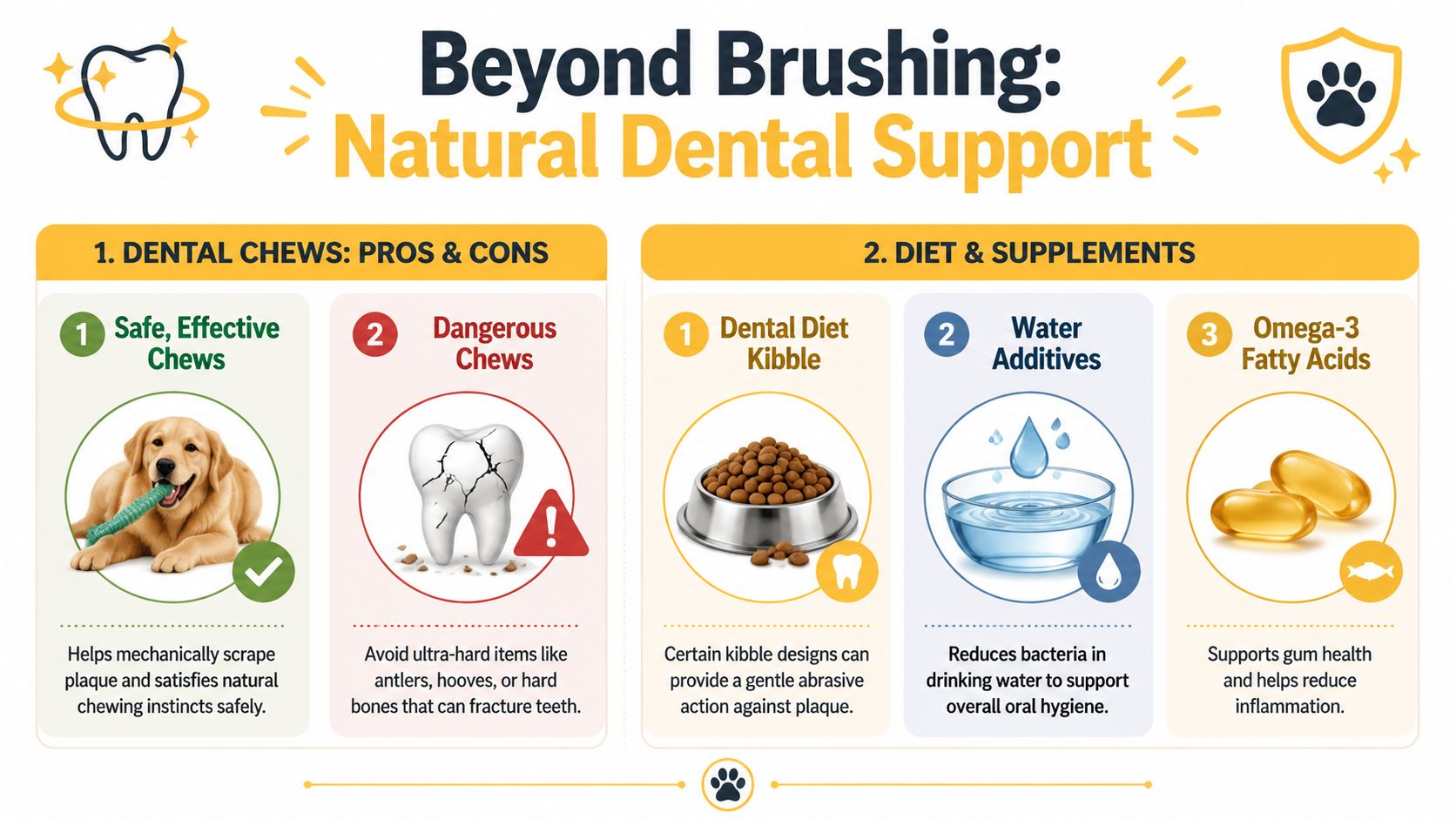
The most helpful way to think about natural dog dental care is as layers. One layer scrapes the tooth surface. Another changes how much debris sits in the mouth. Another may support a less plaque-friendly environment over time. None of these should be mistaken for a cure if the mouth is already diseased.
What chews can and cannot do
Mechanical cleaning is real. A Rutgers University study on canine oral bacteria found reductions in oral bacteria after treatment ranging from 54.6% to 79.0%, including 79.0% for raw bones, 70.3% for brushing with canine toothpaste, 60.2% for bully sticks, and 54.6% for VeggieDent chews. The sample was small, but the study is useful because it shows that mechanical cleaning from a brush or an appropriate chew can materially lower bacterial load.
That doesn't mean every chew is a good idea. Some are useful because they flex a little, wear down gradually, and encourage repeated chewing without acting like a rock. Others are too hard.
A quick comparison helps:
| Option | Likely role | Main trade-off |
|---|---|---|
| Softer dental chews | Surface scraping and chewing time | Limited reach below the gumline |
| Flexible rubber chew items | Repetitive contact with tooth surfaces | Depends on dog interest and design |
| Very hard chews | Strong chewing drive outlet | Higher risk of fractured teeth |
If you want more options for broader wellness support alongside dental habits, this guide to natural dog supplements pairs well with a realistic prevention routine.
Diet water support and targeted add-ons
Food texture and eating pattern matter, but diet isn't a toothbrush. A dog who swallows food quickly won't get much scraping action from a bowl of kibble alone. Still, some feeding strategies support the mouth better than sticky, residue-heavy choices.
Three supportive options tend to make practical sense:
- Daily water support: In the unscaled-dog study mentioned earlier, the strongest home protocol included brushing plus a daily water additive. That makes water support a reasonable add-on, especially for dogs who won't tolerate long brushing sessions.
- Chew-compatible meals: Dogs who do some active chewing generally get more natural tooth contact than dogs who inhale every meal.
- Seaweed-based dental support: A veterinary-science trial found that feeding dogs kibble containing the brown seaweed Ascophyllum nodosum for 90 days produced significant improvements in multiple dental health indices and helped prevent plaque and calculus formation after prophylactic cleaning, as reported in the Ascophyllum nodosum dental trial.
The strongest “natural” routines usually combine one mechanical layer with one simple daily support layer.
That's the trade-off owners need to hear clearly. Chews are easier than brushing, and seaweed-based products can be useful, but neither should be confused with direct cleaning of the gumline.
Common Mistakes and What to Avoid
A lot of dental advice sounds sensible until you see the teeth it breaks.
Natural does not always mean safe
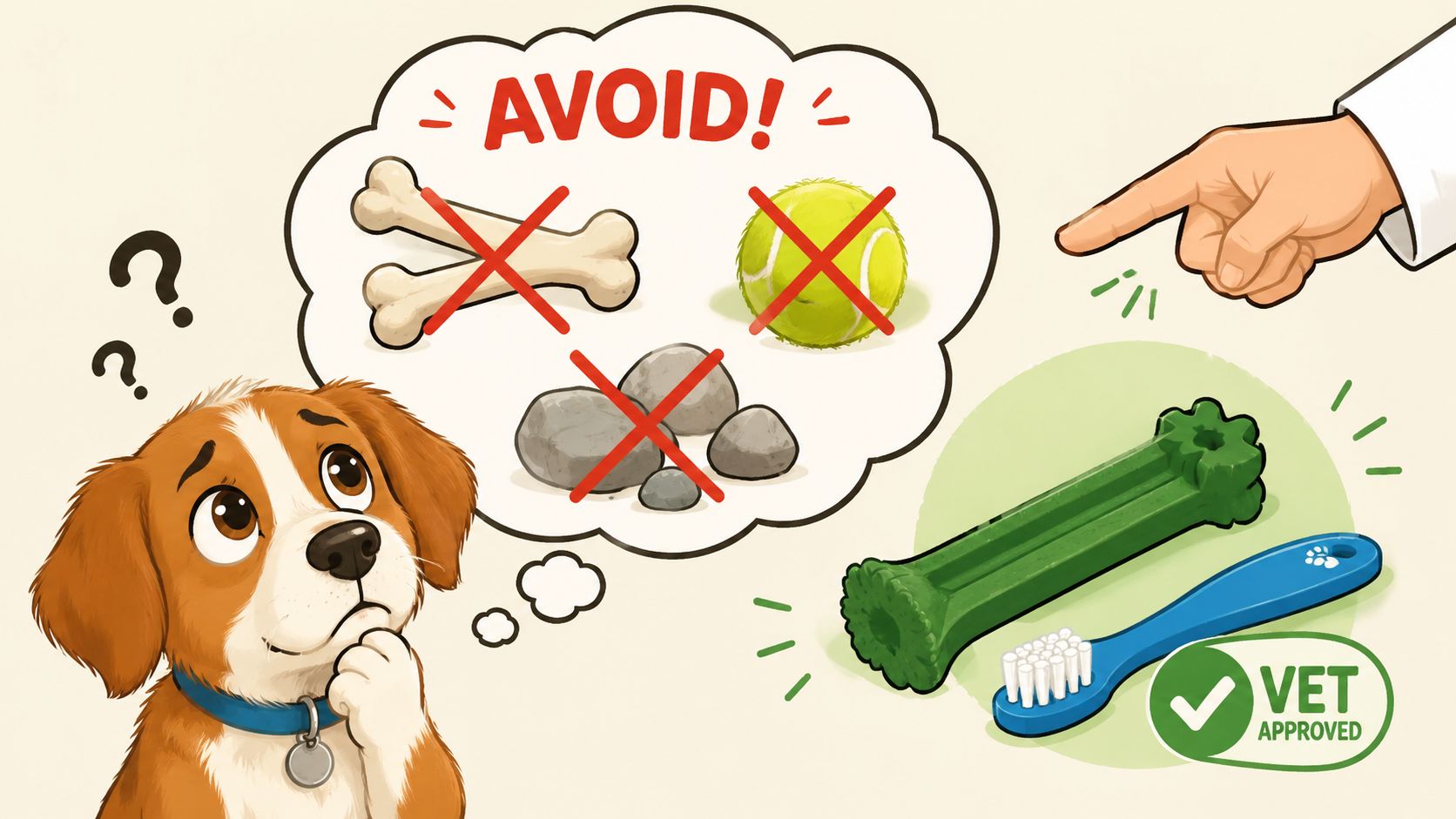
The word “natural” gives people false confidence. Antlers, hooves, very hard bones, and similar rigid chew items may look wholesome, but they can crack teeth. Once a tooth fractures, prevention is no longer the issue. Pain, infection risk, and a veterinary problem are.
Cooked bones are another common mistake. They can splinter, cut soft tissue, and create choking or digestive hazards. Ice cubes can also be rough on vulnerable teeth, especially in dogs that bite down hard instead of licking.
Safer natural care asks a different question. Is this chewable without acting like a hammer?
DIY shortcuts that backfire
Homemade care can help, but only if it stays boring and safe. The internet is full of recipes that sound clever and aren't.
Avoid these:
- Human toothpaste: The biggest danger is xylitol. Even a small amount is not worth the risk.
- Essential oils: Dogs do not need concentrated plant oils in the mouth.
- Baking soda heavy mixes: Abrasive products can irritate soft tissue and make regular use less comfortable.
- Aggressive scraping at home: Metal tools in untrained hands can damage gums and miss the problem areas under the gumline.
Some natural additives do deserve a place in the conversation. As mentioned in the veterinary trial cited earlier, Ascophyllum nodosum showed measurable support when used in a dental feeding protocol, which is a better example of a natural option with evidence behind it than a breath-masking trick. If you are trying to decide how a product fits into a routine, the Pure Paw Labs DD-1 dental support help and FAQs page may help answer common follow-up questions about daily care.
If you want a visual walk-through of safe daily habits, this short clip is a useful companion to the points above.
If a product promises easy dental results with no contact, no chewing, no routine, and no exam, be skeptical.
When Natural Care Is Not Enough
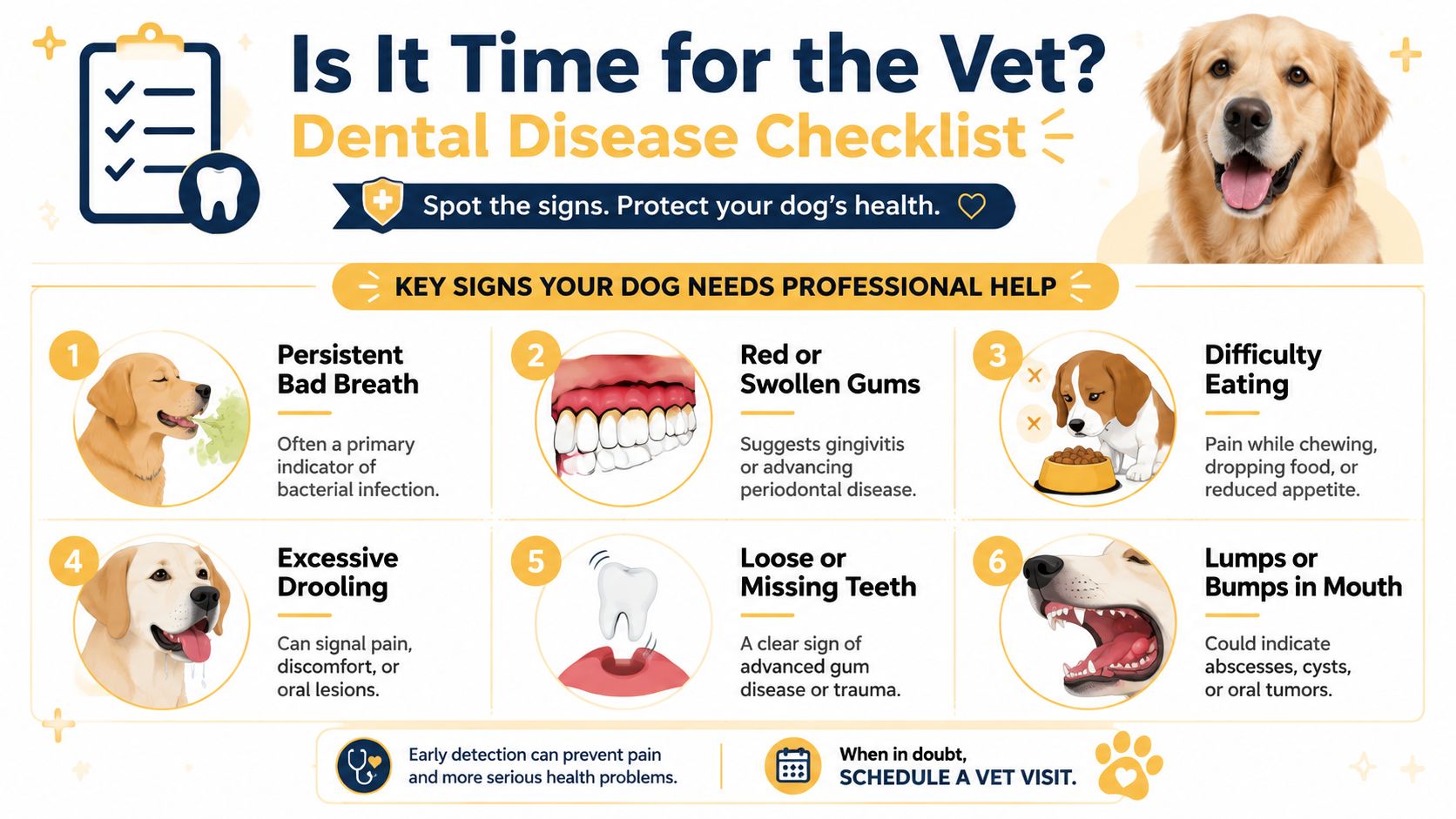
Home care has limits. Once the gums are inflamed, the teeth are loose, or the odor stays strong despite your efforts, it's time to stop tinkering and book an exam.
Signs that need a veterinary exam
Watch for patterns, not just single moments.
- Persistent bad breath: Especially if it doesn't improve with better home care.
- Red or bleeding gums: A common sign that the mouth is already irritated.
- Difficulty chewing: Dropping food, chewing on one side, or avoiding harder food.
- Loose teeth or obvious heavy buildup: These aren't maintenance issues.
- Drooling, pawing at the mouth, or swelling: All suggest discomfort.
- Lumps or unusual spots in the mouth: These should always be checked.
If you're sorting out what kind of help might fit after a vet visit, the DD-1 dental support help and FAQs page may answer common follow-up questions about routine support.
What a professional dental visit usually includes
Professional dental care is not just visible tartar removal. According to the AVMA-linked guidance cited earlier, under-anesthesia cleanings typically include X-rays to evaluate all teeth and the bones in the mouth. That matters because a lot of dental disease sits below the gumline where home care can't reach and surface-only cleaning can't assess.
This is the boundary that keeps dogs safer. Natural dog dental care is excellent for daily maintenance. It is not a substitute for diagnosis, imaging, cleaning below the gumline, or treatment of painful disease.
Frequently Asked Questions About Dog Dental Care
How often should my dog have a professional dental cleaning
That depends on the dog, the mouth, and what your veterinarian sees during exams. Some dogs go a long time with good home care and regular checkups. Others build tartar quickly or show gum inflammation early, so they need dental cleanings more often. The safest approach is to let your vet decide based on what is occurring in the mouth, not on a fixed schedule alone.
Are some dogs more prone to dental problems
Yes. Small breeds often crowd more teeth into a smaller mouth, which can make plaque control harder. Dogs with crowded teeth, retained baby teeth, or a history of dental disease also tend to need closer attention. Age matters too, because dental problems often become easier to miss as dogs get older and other health issues start to overlap with mouth pain.
What should I do if my dog has bad breath even with home care
Persistent bad breath deserves a veterinary exam. Bad breath can come from food debris or temporary irritation, but it can also point to infection, gum disease, or a tooth problem under the surface. If brushing, chews, and other home care are not changing the smell, don't assume it is harmless. A mouth that still smells bad after routine care often needs a closer look.
How often should I check my dog's mouth at home
A quick look during grooming or petting sessions is usually enough for routine monitoring. Check the gums, the teeth you can see, and any areas where your dog seems sensitive. You are looking for change over time, such as new redness, swelling, broken teeth, or a dog that suddenly pulls away when you touch the face. Short, calm checks help you catch trouble before it turns into a bigger problem.
What if my dog seems fine but skips hard food or toys
Treat that as a clue, not a quirk. Dogs often hide mouth pain, so a change in chewing habits can be the first sign that something is bothering them. If a dog starts avoiding kibble, dropping treats, or passing up chew toys that used to be easy, that is worth a veterinary visit. Pain in the mouth can be present even when the teeth look normal from the outside.
Should puppies get dental care too
Yes, but the focus is different. Puppies need gentle handling, mouth acceptance, and monitoring as their teeth come in and fall out. That is also the stage when you can build brushing tolerance without forcing a full routine too soon. If baby teeth seem stuck, adult teeth come in crooked, or the mouth looks painful, your vet should check it. Early attention can prevent bigger problems later.
Natural dog dental care works best when it stays organized. Brushing remains the main daily tool, supportive chews or diet choices can help, and veterinary care takes over when there is pain, swelling, bad breath that does not improve, or any sign of disease that home care cannot solve. That is the practical line for most dogs.
Pure Paw Labs focuses on science-backed, human-grade dog supplements built for everyday routines. If you're trying to make your dog's care simpler and more consistent, Pure Paw Labs is worth a look for practical daily wellness support that fits alongside, not in place of, a solid dental care plan.