


A 1-ounce (28-gram) serving of plain cream cheese contains approximately 101 calories and 96.2 milligrams of sodium, so cream cheese for dogs is generally safe only in a tiny amount as an occasional treat. Flavored varieties or large portions can cause harm because of lactose, concentrated fat, and potentially toxic additives.
Your dog is watching while you spread cream cheese on a bagel, or you're considering using a dab to hide a tablet. The practical answer is simple: plain, unseasoned cream cheese can be acceptable in a very small amount for some healthy dogs, but it isn't a routine food and it isn't harmless by default.
The important question isn't only whether cream cheese is toxic. You also need to consider your dog's size, weight, digestive history, pancreatitis risk, and the product's ingredient list. A plain spread used sparingly is a different decision from a flavored product containing onion, garlic, chives, or xylitol.
Table of Contents
- Is Cream Cheese Safe for Dogs
- Nutritional Risks and Calorie Density
- Lactose Intolerance and Digestive Sensitivity
- Dangerous Ingredients in Flavored Cream Cheese
- Safe Portion Guidelines and Usage Tips
- When to Avoid Cream Cheese Completely
Is Cream Cheese Safe for Dogs
Your dog may stare while you spread cream cheese on a bagel, or you may reach for it to hide a tablet. The answer is clear: plain cream cheese can be safe for a healthy dog in a tiny portion, but it belongs in the treat category, not the daily diet.
Use a short ingredient list. Choose plain, unseasoned cream cheese with no sweeteners or added flavors. Reject any product listing onion, garlic, chives, or xylitol. Flavored and processed varieties can create risks beyond the dairy itself.
Use a clear safety filter
Make the decision in this order:
- The dog: A healthy dog with no digestive history may handle a small taste. Dogs with obesity, pancreatitis risk, or recurring stomach upset need a stricter standard.
- The product: Read the full label. The words “cream cheese” on the front do not confirm that the recipe is safe.
- The portion: A small dab may work as an occasional reward or pill-hiding aid. Repeated spoonfuls turn a treat into an avoidable calorie load.
A serving intended for people contains substantial sodium and calories. Nutrition data from the University of Maryland lists approximately 101 calories and 96.2 milligrams of sodium per 1-ounce serving. That amount exceeds a sensible treat portion for many dogs, particularly small dogs.
Practical rule: If you cannot verify every ingredient, do not feed the product.
Some dogs may tolerate cream cheese better than milk because it generally contains less lactose. It still can trigger digestive upset, and lower lactose does not make it suitable for every dog. For another human-food option, review guidance on almond milk for dogs, and keep any such treat separate from a complete canine diet.
Nutritional Risks and Calorie Density
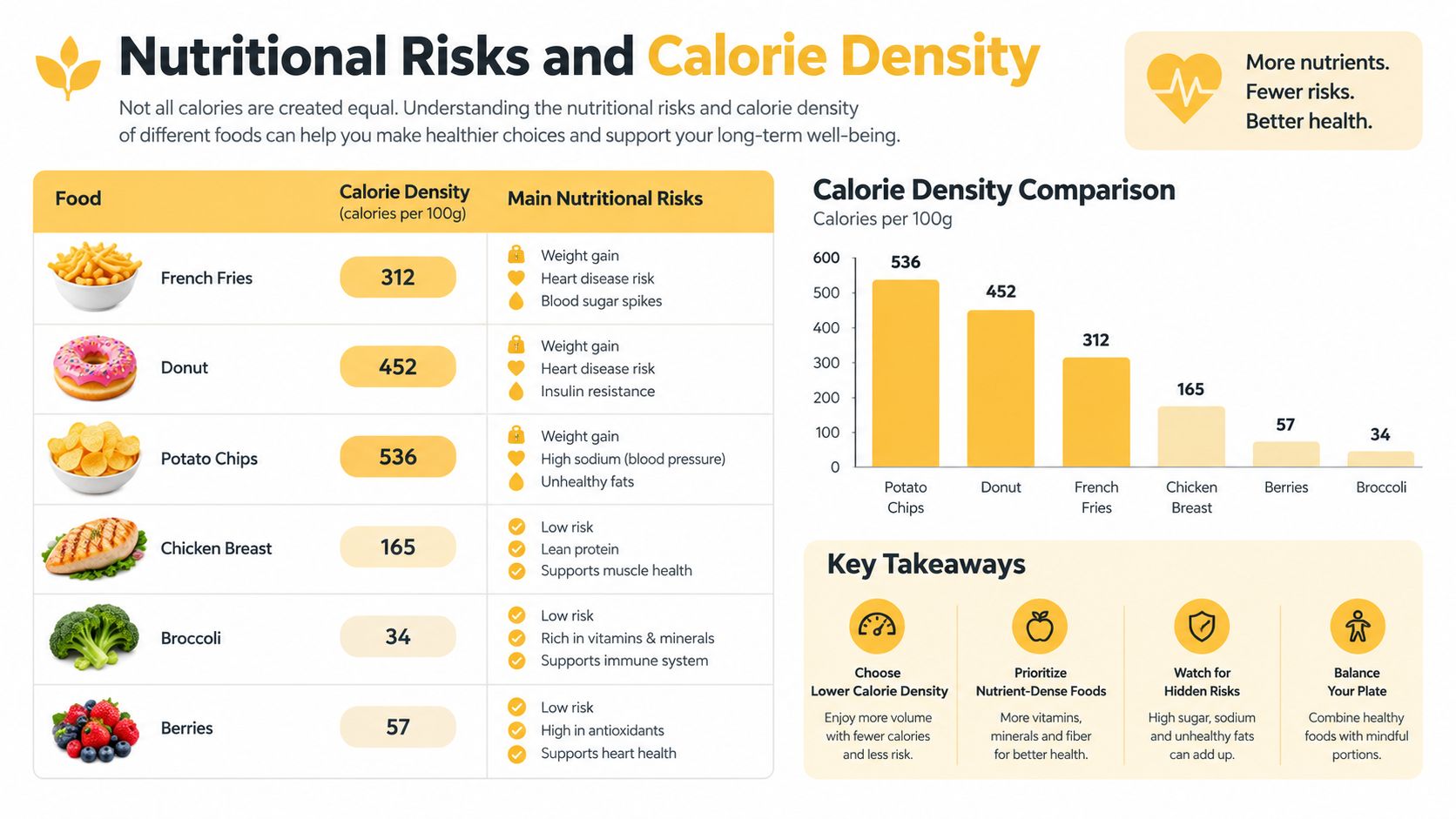
A small smear can look harmless on a dog's treat, yet cream cheese packs fat and calories into very little food. It does not provide the balanced nutrition found in a complete canine diet, so treat it as an occasional tool, not a food supplement.
A 28-gram serving contains approximately 90 calories, 9 grams of total fat, 6 grams of saturated fat, 2 grams of sugar, and 95 milligrams of sodium, according to the University of Maryland nutrition data. Product labels vary, but the decision remains straightforward: a human-sized serving is too calorie-dense for many dogs, especially smaller dogs.
Why fat matters
Most cream cheese calories come from fat. A tablespoon provides approximately 50 calories and 5 grams of fat. That amount can use a large share of a small dog's treat allowance, particularly when the dog also receives training treats, chews, table scraps, or calorie-dense meals.
Set a stricter limit for toy breeds, sedentary dogs, overweight dogs, and dogs prone to pancreatitis. The same spoonful affects a small inactive dog differently from a large active dog. Judge the treat against the entire daily ration, not its appearance.
Reserve cream cheese for a specific purpose, such as hiding a tablet. Count it among the day's treats, and follow these healthy dog food topper guidelines before adding any human food to meals.
For owners seeking a daily nutritional option rather than fatty human food, DA-1™ Daily All-in-One - Senior Dog Support, Joints, Skin/Coat & More is described as a formula containing 18 human-grade ingredients aimed at cellular, gut, and joint support. It should not turn cream cheese into a routine treat.
Lactose Intolerance and Digestive Sensitivity
Not every dog reacts to dairy, and “all dogs are lactose intolerant” is too blunt to be useful. Puppies digest their mother's milk, but lactase activity commonly declines as dogs mature. Adult dogs with reduced lactase may develop gas, bloating, loose stool, vomiting, or abdominal discomfort after dairy.
Cream cheese generally contains less lactose than milk because it's processed, so a dog that reacts to a bowl of milk might tolerate a very small taste of cream cheese. That doesn't remove the risk. Cream cheese is still dairy, and its high fat content can trigger digestive trouble independently of lactose.

Test tolerance without creating confusion
If your dog has never eaten cream cheese, use a controlled introduction:
- Offer a pea-sized portion of plain cream cheese.
- Give no other new food at the same time.
- Watch stool, gas, appetite, vomiting, abdominal comfort, and energy over roughly the following day.
- Stop offering it if symptoms appear.
Don't keep testing if your dog develops repeated digestive signs. A reaction can reflect lactose, fat, another ingredient, or an unrelated gastrointestinal problem. Recurring itching, ear problems, hives, or more serious reactions also deserve veterinary assessment because those signs may point toward a food allergy rather than simple lactose intolerance.
Dogs with a sensitive stomach need a stricter approach. Review food choices for dogs with sensitive stomachs before introducing rich human foods, especially if your dog already has recurring loose stool or vomiting.
Persistent or severe vomiting or diarrhea needs prompt veterinary advice. Don't use cream cheese to mask symptoms or keep administering it because your dog enjoys the taste.
Dangerous Ingredients in Flavored Cream Cheese
Plain and flavored cream cheese belong in different safety categories. Plain cream cheese presents a portion and tolerance problem. Flavored cream cheese can introduce ingredients that are dangerous to dogs even when the spread itself is offered sparingly.
Read the complete label, including sweeteners and seasoning blends. Avoid products containing:
- Onion, garlic, or chives: These Allium ingredients can irritate the digestive tract and damage red blood cells.
- Xylitol: Some reduced-sugar products may contain it. Xylitol can cause rapid hypoglycemia, seizures, and potentially liver injury.
- Seasoning blends: A product may contain several unsuitable ingredients even when the flavor name sounds mild.
- Added sweeteners: Reduced-sugar does not mean dog-safe.
A product labeled vegetable, herb, cinnamon, or dessert flavored isn't automatically appropriate. The front label tells you the marketing name, not the complete risk profile. If you can't identify every ingredient, choose a different pill-hiding method.
Ingredient rule: Plain means unseasoned and free of xylitol, onion, garlic, and chives. Anything else requires a separate safety review.
If you think your dog ate a product containing xylitol, treat it as an emergency. Contact a veterinarian or animal-poison service immediately, and take the packaging with you. Don't wait for symptoms to appear.
For other human-food questions, ingredient awareness matters just as much. The guidance on cinnamon and dogs illustrates why the specific product and amount matter more than a simple food name.
Safe Portion Guidelines and Usage Tips
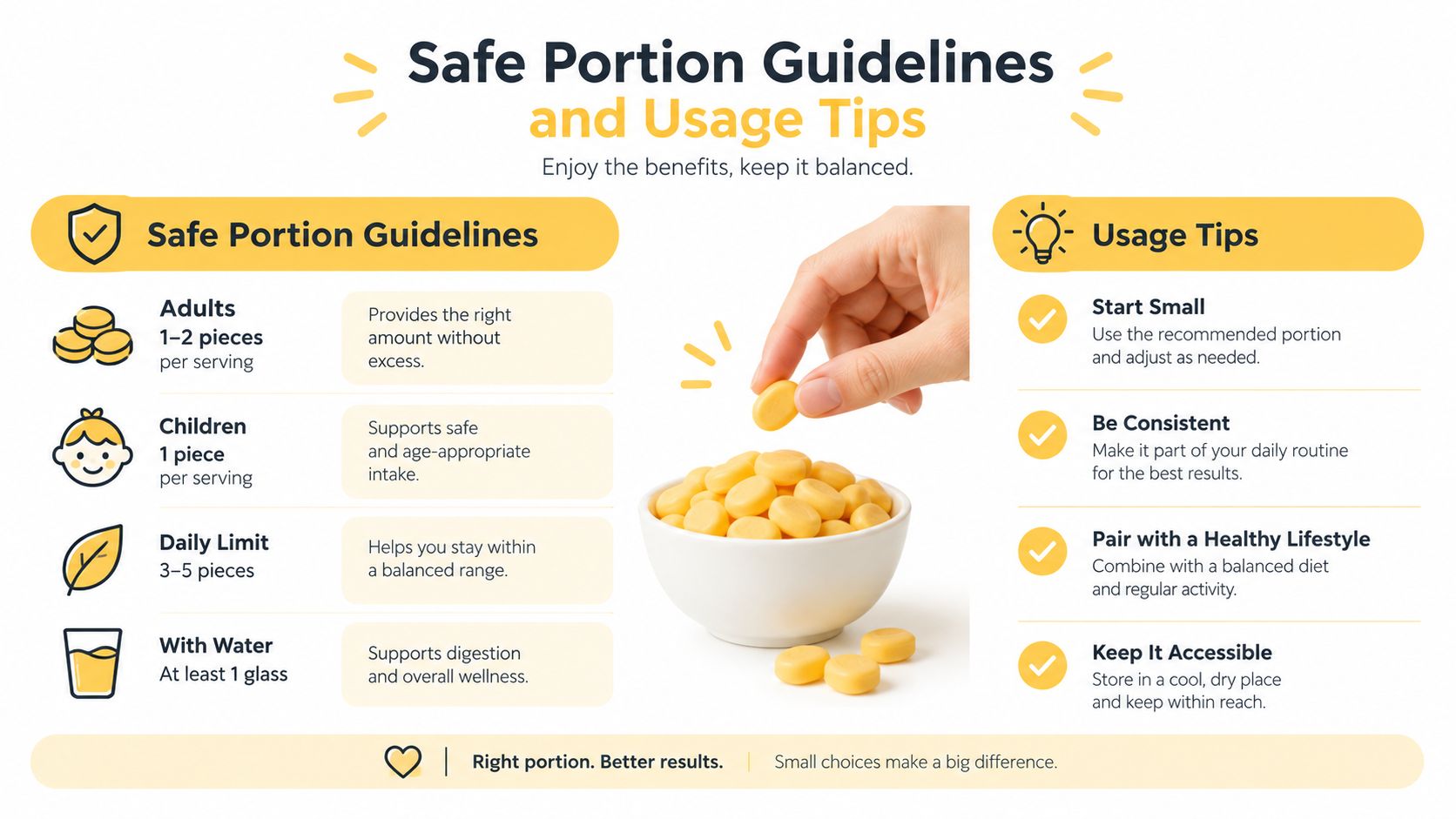
If your dog is healthy and you choose to offer cream cheese, keep the routine tightly controlled. The safest use is a small, measured amount on an occasional basis, usually as a high-value reward or a way to hide medication.
Start with less than you think you need. A pea-sized dab is enough to test tolerance and may be sufficient to coat a tablet. Don't use a full spoonful just because your dog is large. The dog's total daily calorie intake, body condition, and existing treats still determine whether the addition fits.
A practical serving routine
- Choose plain: Check the label every time, particularly if you switch brands or buy a reduced-sugar product.
- Measure the dab: Use only enough to hide the tablet or provide a small taste.
- Subtract other extras: If cream cheese appears in the day's ration, reduce other treats rather than stacking them.
- Keep it occasional: Daily use turns a high-value treat into a regular source of fat and calories.
- Observe the response: Stop if your dog develops gas, loose stool, vomiting, discomfort, reduced appetite, or unusual lethargy.
For medication, press the tablet into a tiny amount and make sure your dog swallows it. Some medicines shouldn't be given with food, so follow the medication instructions rather than assuming cream cheese is suitable.
Cream cheese shouldn't become a routine topper for a dog that needs structured weight control or a therapeutic diet. If you want to reward your dog regularly, use a lower-calorie option that fits the diet, or reserve cream cheese for the rare situation where its strong taste provides a practical benefit.
When to Avoid Cream Cheese Completely
Some dogs should skip cream cheese altogether unless their veterinarian specifically approves it. The clearest no-go group includes dogs with current or previous pancreatitis, because high-fat foods can undermine the low-fat dietary approach commonly used during management.
Avoid it as well for dogs with obesity, hyperlipidemia, recurrent digestive upset, or a prescribed low-fat diet. These aren't minor caveats. Cream cheese can add concentrated fat without supplying a complete nutritional benefit, and a “small” portion may still be a poor trade for a dog whose diet is already carefully controlled.
Use this decision framework
A healthy dog with no history of digestive problems may have a tiny portion of plain cream cheese if the label is clean and the calories are accounted for.
An overweight or sedentary dog should generally receive a lower-calorie treat instead. The issue is not toxicity but unnecessary energy and fat that make weight control harder.
A dog with pancreatitis, hyperlipidemia, metabolic disease, or a veterinarian-prescribed low-fat diet should not receive cream cheese without explicit veterinary approval. Read the guidance on a bland diet for dogs with pancreatitis before making food changes.
A dog with a sensitive digestive system should avoid experimentation during an active flare. If vomiting, diarrhea, abdominal discomfort, lethargy, or refusal to eat follows ingestion, stop the treat and seek veterinary advice when symptoms are persistent, severe, or worsening.
The safest conclusion is straightforward. Plain cream cheese is an occasional tool for some healthy dogs, not a wellness food. If your dog has a health condition that makes fat, dairy, or dietary consistency important, choose a safer alternative and protect the treatment plan.
Pure Paw Labs offers daily dog supplements designed to support areas such as joints, skin and coat, gut health, immunity, and stress without relying on fatty human-food toppers. Visit Pure Paw Labs to review its all-in-one options and choose a routine that fits your dog's nutritional needs.