


52% of U.S. pet owners skipped or declined needed veterinary care in the prior year, according to Gallup's 2025 report on veterinary care. Cost was the main reason for most owners who postponed care, and preventive services such as vaccinations were among the recommendations people declined. That finding changes how we should think about dog preventive care. The challenge isn't that pet parents don't care. It's that a complete wellness plan must be practical enough to maintain when time, money, and attention are limited.
Preventive health isn't an annual appointment sitting apart from everyday life. It includes the food your dog eats, parasite protection, dental habits, movement, weight monitoring, behavior, and the information you bring to each veterinary visit. A clinic checkup is important, but it works best when it supports consistent care at home.
A proactive plan also gives you more opportunities to notice small changes before they become urgent concerns. A gradual change in appetite, mobility, stool, coat, thirst, or behavior deserves attention even when your dog still seems cheerful. For a broader look at how nutrition, environment, and routine fit together, explore this guide to holistic dog health.
Table of Contents
- Why Modern Canine Preventive Health Breaks Down
- The Core Pillars of Canine Preventive Health
- Vaccination Schedules and Parasite Control
- Nutrition, Dental Health, and Daily Supplements
- Routine Screening and Life-Stage Adjustments
- Building a Sustainable Preventive Care Routine
- Frequently Asked Questions About Dog Preventive Care
Why Modern Canine Preventive Health Breaks Down
37% of U.S. pet owners visited a veterinarian but declined at least one recommendation, while 15% did not bring their pet in because of barriers such as cost. Among owners who skipped or declined care, 71% named cost as the main reason, and 18% declined preventive services such as vaccinations. These figures come directly from Gallup's 2025 veterinary care survey cited above.
These choices do not mean pet parents are indifferent. They show why a plan built only around clinic visits can be difficult to maintain. Without a simple way to track due dates, notice changes, and rank priorities, good intentions can gradually disappear.
A preventive plan works like a safety net. Veterinary visits provide professional assessment, while daily routines help catch changes and maintain protection between appointments.
Reactive care versus proactive care
Reactive care starts after a dog is already coughing, limping, losing weight, scratching, vomiting, or unusually tired. Treatment remains important then, but the problem may be harder to address than it would have been with earlier observation.
Proactive care starts with three practical questions:
- What risks does this dog face? Review age, lifestyle, location, travel, outdoor exposure, diet, and contact with other animals.
- What can we monitor at home? Record appetite, stool, weight, energy, dental appearance, skin, coat, and movement. Small trends often matter more than one isolated day.
- What needs professional support? Vaccines, testing, physical examinations, prescription preventives, and diet or supplement decisions require discussion with a veterinarian.
A sustainable plan is better than an ambitious routine you cannot maintain. That may mean combining scheduled veterinary care with manageable habits, including consistent nutrition and an all-in-one supplement when a veterinarian agrees it fits your dog's needs.
Daily care does not replace veterinary medicine. It gives the clinician a clearer history and helps your dog receive steady support throughout the year. For a wider view of how nutrition, environment, and routine connect, explore this guide to holistic dog health.
The Core Pillars of Canine Preventive Health
Modern dog preventive care is broader than vaccination alone. The AAHA-AVMA Canine Preventive Healthcare Guidelines formalized a life-stage approach in which every dog receives routine monitoring and risk reduction throughout the year. The framework includes veterinary examinations at least annually, year-round broad-spectrum parasite control, core vaccines, annual heartworm testing, and at least annual internal parasite testing.
Build the care stack
Think of the plan as several connected layers rather than a single appointment.
- Clinical examinations: A veterinarian evaluates your dog's general health and adjusts recommendations for age, lifestyle, and risk.
- Vaccination: Core vaccines help protect against serious preventable diseases, including rabies, canine distemper, parvovirus, and adenovirus-2. Other vaccines may depend on exposure and local risk.
- Parasite prevention: Broad-spectrum protection addresses external and internal parasites. The correct product and schedule should be selected with a veterinarian.
- Screening and testing: Heartworm testing and internal parasite testing help detect risks that aren't always visible at home.
- Identification and reproductive planning: The guidelines also emphasize microchipping, reproductive counseling, and genetic counseling where relevant.
- Daily wellness: Nutrition, dental care, activity, weight management, behavior, and observation complete the plan.
A supplement can sit inside the daily wellness layer, but it shouldn't be treated as a substitute for a vaccine, diagnostic test, parasite preventive, or veterinary examination. For example, DA-1™ Daily All-in-One - Senior Dog Support, Joints, Skin/Coat & More is described as a powdered formula with 18 human-grade ingredients targeting cells, gut, and joints, with one scoop intended for daily use. Owners should still review any supplement with their veterinarian, particularly for dogs taking medication or managing a medical condition.
The same principle applies to immune support. A healthy immune system depends on the whole dog, including adequate nutrition, parasite control, vaccination, sleep, and management of underlying disease. This overview of immune support for dogs can help clarify why one product or habit can't carry the entire responsibility.
Vaccination Schedules and Parasite Control
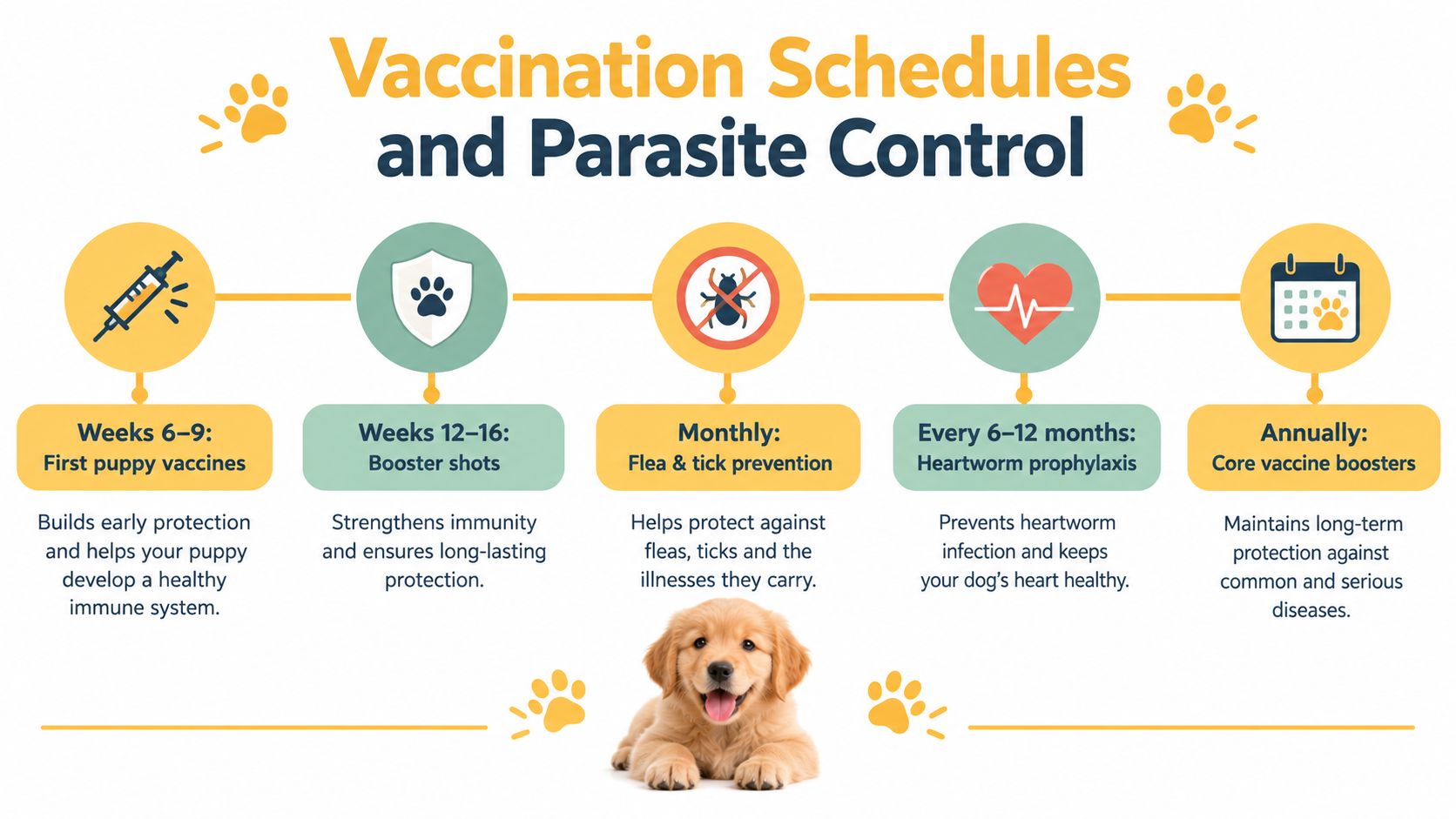
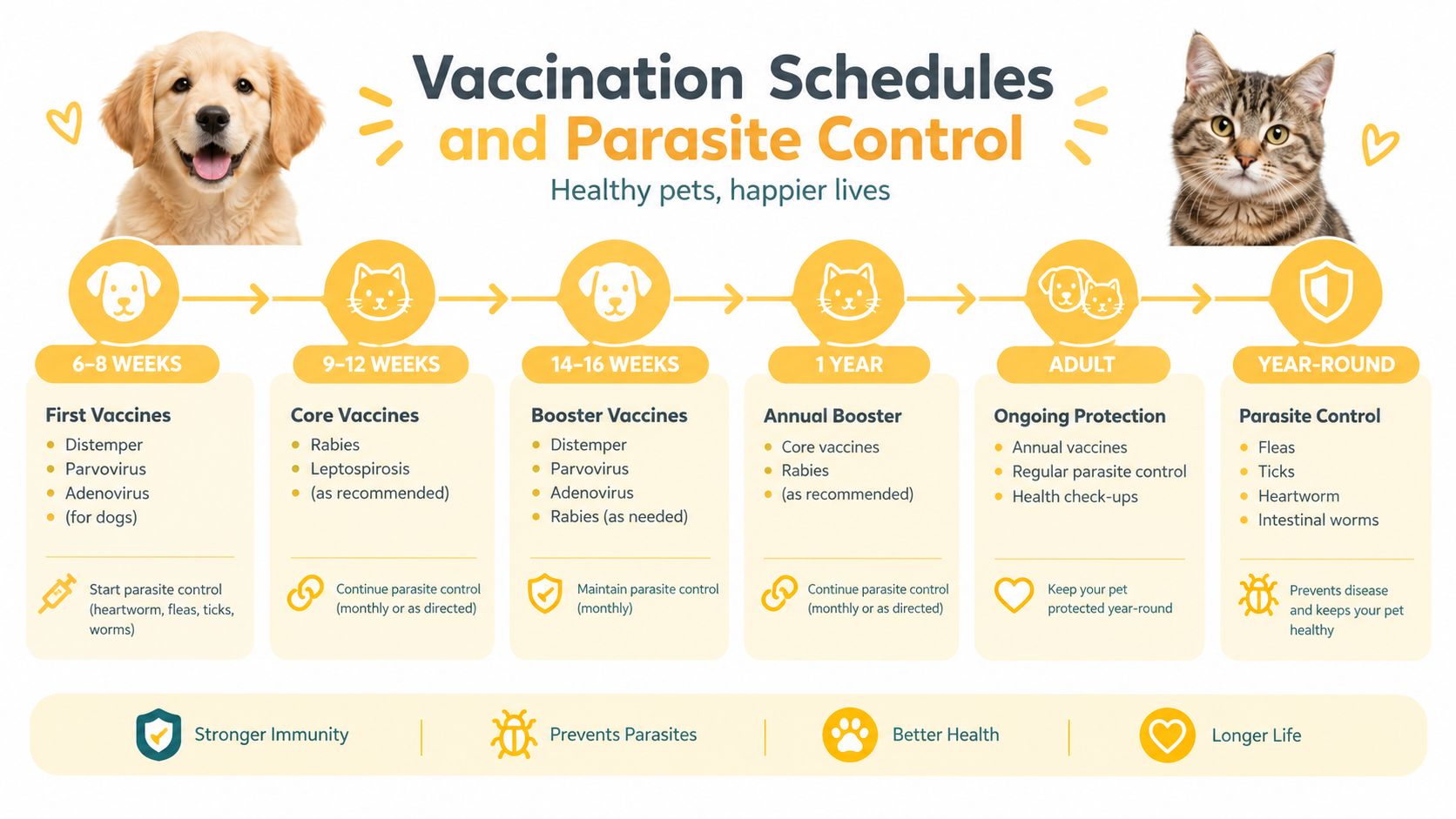
Vaccines and parasite preventives work best when owners follow a schedule based on veterinary guidance instead of waiting for symptoms. The exact timing depends on the dog's age, previous records, product instructions, health status, and exposure risk.
Core vaccines address diseases that pose broad or serious risks. Rabies, distemper, parvovirus, and adenovirus-2 belong to the preventive conversation for dogs, while other vaccines may be recommended because of boarding, group activities, travel, local disease patterns, or frequent outdoor exposure. Your veterinarian can distinguish routine core protection from lifestyle-based additions.
Puppies need a carefully coordinated series of veterinary visits because their immune protection and development are changing quickly. The schedule should come from the examining veterinarian, who can account for the puppy's history and the products used. Adult dogs still need ongoing review, rather than assuming that puppy care completes the job.
Why parasite control stays active
The AAHA-AVMA framework recommends year-round broad-spectrum parasite control. Parasite exposure isn't limited to rural dogs or warm weather. Dogs can encounter contaminated environments, infected animals, vectors, or parasite eggs during ordinary walks and household routines.
Heartworm deserves particular attention because infection can develop without obvious early signs. Annual testing helps the veterinarian assess status, while preventive medication reduces risk. Internal parasites also matter because dogs may carry them without dramatic symptoms, and some parasites have implications for household hygiene. If you notice unusual material in stool, use this practical explanation of white dots in dog poop, then contact your veterinarian for advice rather than diagnosing from appearance alone.
Use a simple tracking system:
- Record every dose: Write down the product, date, and dog that received it.
- Set reminders: Use a calendar alert before the next dose is due.
- Bring packaging to appointments: Product names and active ingredients help prevent confusion.
- Ask before restarting: If a dose is late, your veterinarian can advise whether testing or a schedule adjustment is appropriate.
Consistent protection is more dependable than seasonal guesswork. Never double a dose or combine preventives without professional direction.
Nutrition, Dental Health, and Daily Supplements
A dog's daily food is the base of preventive care, much like a foundation supports a house. “Healthy” on a label does not, by itself, confirm that a diet suits a particular dog. Food should provide appropriate energy and nutrients for the dog's age, size, health status, and activity. Needs can change across the lifespan, so a diet that worked during one period may need review later. Home-prepared meals can become unbalanced when key micronutrients are omitted or misjudged. Discuss recipe changes with a veterinary professional instead of relying on assumptions.
Use the dog's whole routine as feedback, not the bowl alone. Body condition, stool quality, appetite, coat, energy, and muscle tone can reveal useful patterns, though they cannot replace a veterinary assessment. A dog may look well while still having a nutritional gap. Digestive or skin changes may also require a broader investigation rather than a new topper or treat.
Make dental care routine
Oral discomfort is easy to miss because many dogs continue eating despite dental disease. Build the habit calmly. Start by handling the muzzle for short periods, then progress to a dog-appropriate toothbrush and veterinary-approved toothpaste. The guide to dog dental health tips explains a step-by-step brushing approach. Arrange an examination if the gums bleed heavily, mouth odor remains foul, chewing changes, or your dog resists touch.
A practical daily and weekly rhythm can connect small actions with early observation:
- Morning: Serve a measured portion and observe appetite.
- During the day: Provide fresh water and movement suited to the dog.
- Evening: Brush the teeth or complete a brief, positive dental-care exercise.
- Weekly: Check the coat, skin, paws, nails, ears, body condition, and mobility.
- Monthly: Review preventive doses, weight trends, and upcoming appointments.
Fresh water supports ordinary hydration, especially during walks and travel. A practical guide to dog water bottles can help you carry water hygienically when away from home.

Use supplements with a clear purpose
A supplement should address a defined need in the dog's routine, not add another unexplained powder or pill. Review the ingredient list, serving instructions, quality controls, possible interactions, and fit with the dog's diet and health. “Natural” does not automatically mean suitable, and a longer ingredient list does not guarantee better support.
An all-in-one powdered supplement may make daily administration easier for owners managing several wellness goals. Its value depends on clinical suitability, tolerance, and appropriately limited nutritional claims. Ask whether your veterinarian agrees it fits the dog, then introduce it gradually enough to observe appetite, stool, itching, and other changes. Stop and seek advice if a concerning reaction appears.
Dogs with diagnosed disease, pregnancy, medication use, recurring digestive problems, or a prescription diet should receive professional guidance before starting a supplement. Convenience can support consistency, but suitability comes first.
Routine Screening and Life-Stage Adjustments
A puppy, an active adult, and a senior dog shouldn't receive identical preventive plans. The AAHA preventive healthcare guidance for dogs and cats recommends at least annual examinations for dogs, with more frequent visits when age, chronic risk, or lifestyle makes closer monitoring appropriate.
Puppies need a development-focused plan
Puppies generally need visits every three to four weeks until roughly fourteen to sixteen weeks of age, as described in Purdue's pet wellness overview. These visits can coordinate vaccines, parasite testing, nutrition, growth, behavior, socialization, and safe activity.
Bring written records and ask what changes should trigger a call. A puppy's plan should account for vaccination history, exposure to other animals, travel, local parasite risk, and any digestive or growth concern.
Adults require risk-based monitoring
An adult dog with a stable lifestyle may follow an annual wellness rhythm, but that doesn't mean every adult has the same needs. A dog that hikes, swims, boards, travels, lives with several animals, eats a raw or home-prepared diet, or spends time in a tick-heavy area may need different screening and prevention decisions.
Geography matters too. Ask about local heartworm patterns, regionally relevant zoonotic risks, seasonal vectors, and parasites associated with the dog's environment. The right question isn't “What does every dog receive?” It's “What does this dog encounter?”
Seniors benefit from closer observation
As dogs age, changes in mobility, appetite, thirst, sleep, dental comfort, behavior, and weight can be gradual. A veterinarian may recommend more frequent examinations and diagnostic testing based on the dog's history and findings. A useful senior dog health guide can help you prepare observations for that conversation.
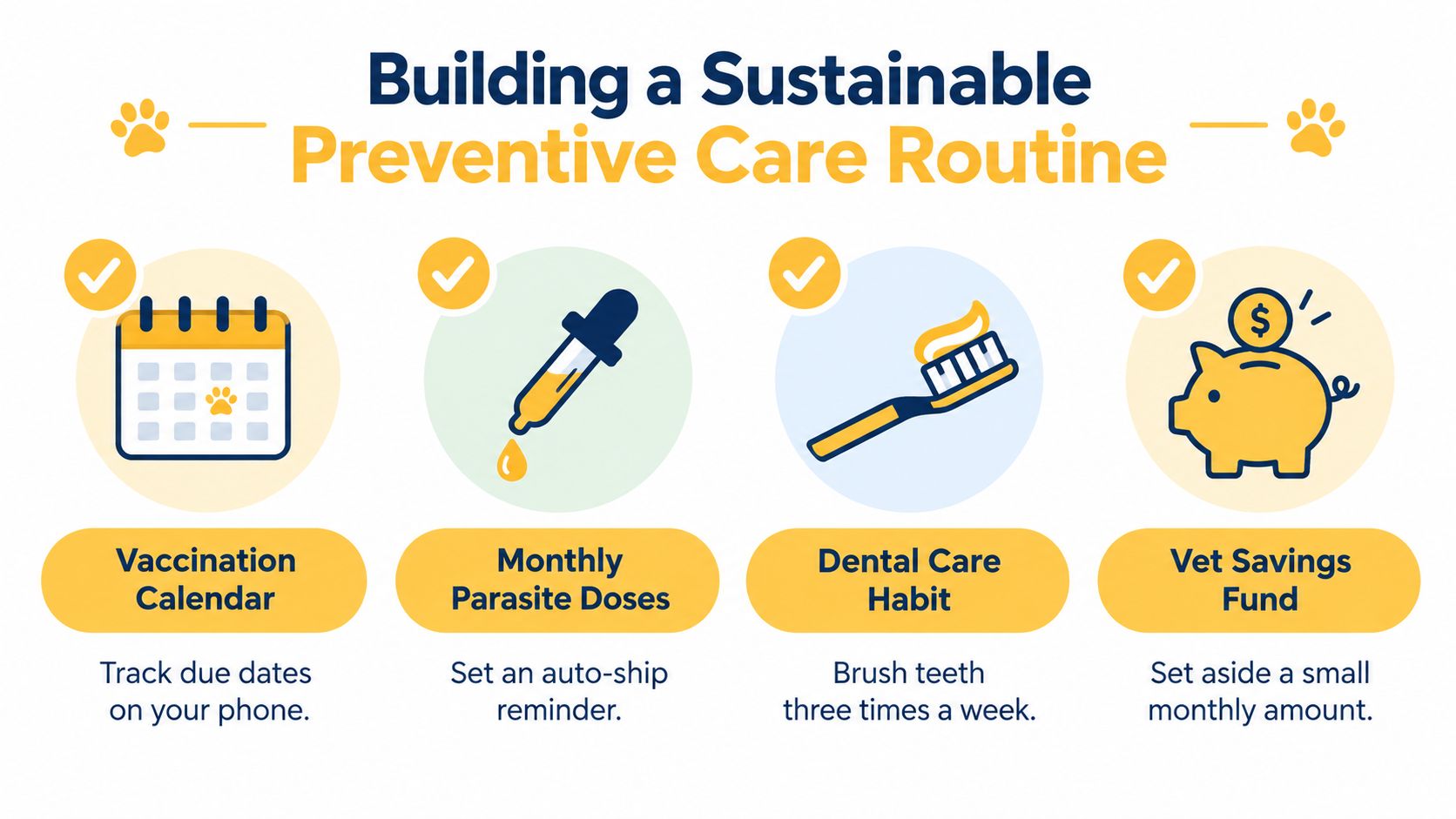
Instead of waiting for a major decline, keep a short monthly record. Note movement after rest, willingness to climb or jump, stool consistency, water intake, and interactions with family. Patterns are more useful than isolated observations, and your veterinarian can decide which changes warrant testing.
Building a Sustainable Preventive Care Routine
A complete guideline list can feel overwhelming, particularly when a household is balancing other expenses. The answer isn't to abandon prevention. Start with the actions that protect against serious, preventable risks, then add layers as your capacity allows.
Use a practical order of priority
Begin with professional guidance. Book the appropriate wellness examination, bring vaccination and medication records, and give a true picture of your dog's lifestyle. Your veterinarian can help distinguish essential protection from care that can be scheduled later.
Next, protect the basics:
- Maintain core protection: Keep vaccines, heartworm testing, internal parasite testing, and broad-spectrum parasite control on the veterinary schedule.
- Feed consistently: Use a nutritionally appropriate diet, measure portions, and monitor body condition.
- Observe daily: Notice appetite, stool, energy, breathing, skin, coat, mobility, and behavior.
- Practice dental care: Build a manageable tooth-brushing or oral-care routine.
- Create a care reserve: Set aside what you can for planned visits and unexpected needs, without delaying urgent medical attention.
This order doesn't mean every dog receives identical care. A senior dog with a chronic condition may need diagnostic monitoring before a healthy adult receives additional optional services. A puppy may need more frequent clinical appointments than either.
Reduce friction instead of relying on memory
Put the vaccination record, parasite dates, diet details, and veterinary contact information in one place. Set recurring calendar alerts, store medication with a visible reminder, and attach daily supplements to a meal your dog reliably eats. If a task takes too many steps, simplify the system rather than blaming yourself for missing it.
Cost conversations should happen early. Ask the clinic which recommendations are most time-sensitive, whether testing can be staged, and what signs mean you shouldn't wait. A transparent plan helps you allocate limited resources without making decisions based on fear or guesswork.
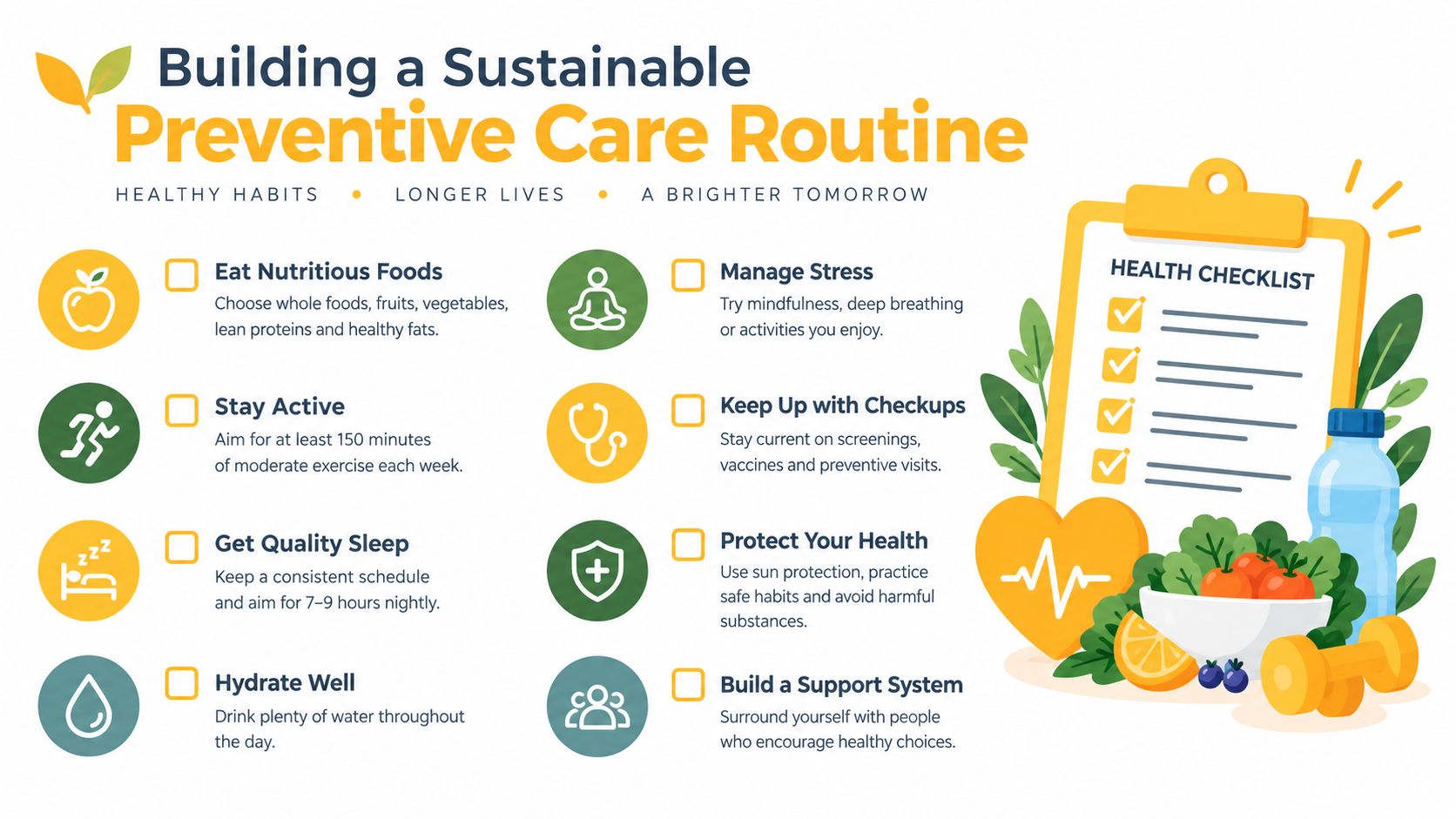
A sustainable routine has three qualities: your dog can tolerate it, your household can repeat it, and your veterinarian can evaluate it.
If you can only improve one part of the routine today, choose a missed clinical follow-up, an overdue preventive dose, or a significant change in your dog's health that you've been postponing. Then add one small home habit, such as recording appetite or practicing calm tooth handling. Progress becomes durable when each action has a clear place in the week.
Frequently Asked Questions About Dog Preventive Care
What if my dog has a sensitive stomach?
Introduce one change at a time and monitor appetite, stool, vomiting, itching, and energy. Ask your veterinarian before using a new supplement or medication, especially if your dog has a diagnosed gastrointestinal condition, takes medication, or eats a therapeutic diet. A reaction may reflect the ingredient, the dose, or an unrelated illness, so don't assume the cause.
What should I do after a missed heartworm preventive dose?
Don't double the next dose unless a veterinarian specifically tells you to. Contact the clinic with the product name, the scheduled date, how late the dose is, and whether your dog has had any possible exposure. The veterinarian may recommend a revised schedule or testing based on the circumstances.
How do I judge an over-the-counter supplement?
Look for a complete ingredient and serving declaration, clear directions, appropriate quality information, and claims that stay within nutritional support rather than promising to diagnose or prevent disease. Ask whether the formula overlaps with another product and whether the ingredients suit your dog's age, diet, medications, and health history. Veterinary-prescribed products may be more appropriate when a dog has a diagnosed condition, but every supplement decision should be individualized.
Preventive care doesn't require perfection. It requires a dependable partnership between daily observation, sensible habits, and veterinary guidance.
Pure Paw Labs offers daily dog supplements designed to consolidate wellness support into a simple routine, including formulas focused on areas such as joints, gut health, skin and coat, and immune support. Visit Pure Paw Labs to review the available approach and decide, with your veterinarian, whether an all-in-one supplement fits your dog's preventive care plan.