


You're comparing dog supplements again. One pouch promises to “defend” your dog's health, another claims to “fortify” immunity, and a third lists a long row of vitamins, minerals, oils, and botanical ingredients. The labels look different, but the practical question stays the same: what is immune support for dogs, and what can a daily product realistically do?
The answer starts with biology, not packaging. A dog's immune system isn't a switch that can be turned up, and it isn't a shield that becomes stronger because a chew contains more ingredients. It's a coordinated network of barriers, cells, nutrients, inflammatory signals, antibodies, and gut interactions. Understanding that network gives you a better way to judge food, supplements, and health claims.
Table of Contents
- Why Dog Owners Are Asking About Immune Support Right Now
- What Immune Support Actually Means for Dogs
- Key Building Blocks of Immune Support in Canine Nutrition
- The Gut Immune Axis and Why Digestion Matters So Much
- What the Evidence Actually Shows About Immune Supplements for Dogs
- Building a Realistic Daily Routine for Immune Health
- Setting Realistic Expectations and Knowing When to Call the Vet
Why Dog Owners Are Asking About Immune Support Right Now
The pet wellness aisle makes immune support look simple. Bright packaging highlights words such as “boost,” “defend,” or “supercharge,” while powders, toppers, soft chews, and coated foods offer different routes to the same broad promise. Online shopping adds another layer of noise, because two products may share an ingredient while making very different claims about what that ingredient can accomplish.
That visual overload creates a predictable problem. Owners end up comparing ingredient lists, serving instructions, and prices without knowing which outcome they're buying. A product can contain familiar nutrients and still provide little useful information about the dog's diet, dose, health status, or reason for use.
Start with the outcome, not the label
Before considering an immune-support product, define the concern:
- Everyday nutritional coverage: Is the dog eating a complete and balanced diet, or is the home-prepared diet missing nutrients?
- Digestive consistency: Are appetite and stool quality generally steady?
- Inflammatory burden: Is the dog dealing with recurring skin, ear, joint, or digestive problems?
- A diagnosed condition: Has a veterinarian identified a disease that needs treatment rather than general nutritional support?
Those questions matter because immune support is a maintenance concept, not a substitute for diagnosis. A daily routine may help provide nutrients involved in normal immune-cell function, but it can't identify why a dog has persistent diarrhea, repeated infections, unexplained weight loss, or ongoing itching.
The field itself has become more measurable. NIH describes a long history of immune research, including the 1957 identification of respiratory syncytial virus by NIH researchers and work that eventually contributed to a 2023 FDA-approved RSV vaccine for adults over 60. NIH reports that the vaccine reduced the risk of severe disease in that age group by 94.1% (NIH's immune-system research summary). The broader lesson for dog owners is useful: meaningful immune science develops through pathogen research, vaccination, cell biology, and long-term observation, not through short-term product slogans.
Practical rule: Judge an immune claim by the biological function it names, the ingredient and amount provided, and the problem it's intended to address.
What Immune Support Actually Means for Dogs
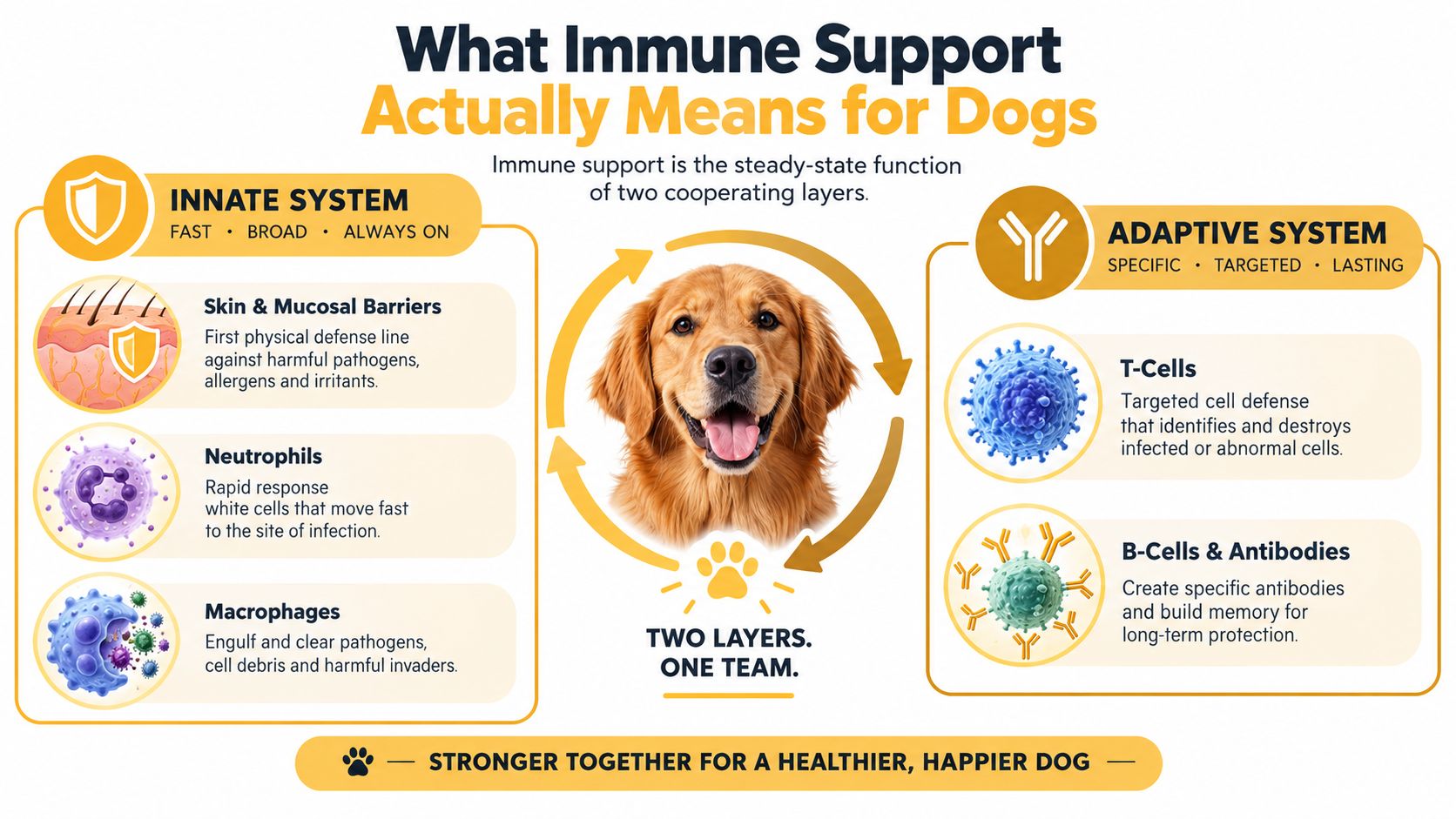
Immune support means maintaining normal, coordinated defense function. It includes helping the body recognize foreign material, respond appropriately, control inflammation, repair barriers, and return to balance after a challenge. That's very different from trying to make the immune system react more intensely to everything.
A dog relies on two cooperating layers. The innate immune system acts quickly and broadly. Skin, mucus, and other epithelial barriers help keep foreign material out, while neutrophils, macrophages, and natural killer cells respond to threats that get past those barriers. The adaptive immune system takes longer to organize but provides specificity. T cells coordinate targeted cellular responses, B cells produce antibodies, and memory cells help the body respond more efficiently to a familiar pathogen.
Balance matters as much as activity
A healthy immune response must be strong enough to clear a genuine threat and controlled enough to avoid unnecessary tissue damage. Inflammation is useful during an appropriate response, but prolonged or poorly regulated inflammation can contribute to problems involving the skin, joints, digestive tract, or other tissues. That's why “boosting” can be a misleading goal. More immune activity isn't automatically better immune health.
Modern immune research treats health as a measurable biological state rather than a vague feeling of strength. Immune researchers examine cell populations, signaling molecules, inflammatory mediators, antibody responses, barrier integrity, and age-related variation. The NIH/NIAID repository ImmPort reached 20 years in 2024 and had collected data from more than 1,000 immunological studies, covering over 160 disease areas and 35 data types (NIAID's ImmPort milestone summary). Another resource, the Human Immune Health Atlas, contains more than 1.8 million single cells from 108 healthy donors, spanning pediatric, young adult, and older adult age ranges, as described in the same research context.
That systems view helps explain why a multinutrient product may discuss cells, gut function, and joints together without proving that it prevents disease. For example, DA-1™ Daily All-in-One - Senior Dog Support, Joints, Skin/Coat & More is described as a once-daily, multi-system formula with 18 human-grade ingredients aimed at cells, gut, and joints. Its description can inform what the product contains and how it's used, but it shouldn't be read as proof that the formula treats an immune disorder.
The useful question is therefore not, “How can I make my dog's immunity stronger?” Ask instead: Which part of normal immune function am I trying to support, and is there a credible reason this dog needs additional support?
Key Building Blocks of Immune Support in Canine Nutrition
Immune cells need raw materials to divide, communicate, build antibodies, protect their membranes, and manage oxidative stress. A dog that receives a nutritionally adequate diet usually gets those materials through the diet itself. A supplement becomes more defensible when it fills a known gap, supports a specific nutritional objective, or provides a carefully selected combination that fits the dog's overall intake.
Protein comes first. Immune cells, antibodies, cytokines, and barrier tissues all depend on amino acids. Poor overall nutrition can impair both antibody-based and cell-mediated immunity, which is why correcting inadequate intake matters more than adding a fashionable ingredient to an otherwise unbalanced diet (review of nutrition and immune function).
Vitamins and minerals contribute in different ways:
- Vitamin A and folate: Help support epithelial tissues and cell production.
- Vitamins B6 and B12: Contribute to immune-cell metabolism and proliferation.
- Vitamin C and vitamin E: Help manage oxidative stress. Vitamin E is especially relevant to protecting lipid-rich cell membranes.
- Vitamin D: Participates in immune regulation and barrier-related functions.
- Zinc: Supports lymphocyte development, skin integrity, and wound healing.
- Selenium: Helps antioxidant systems and immune signaling.
- Iron, magnesium, and copper: Support cellular metabolism and enzyme activity.
Omega-3 fatty acids deserve careful wording. EPA and DHA aren't generic “anti-inflammatory” oils. They can serve as precursors for mediators involved in resolving inflammation, helping the body move toward a controlled end to an inflammatory response. The evidence summarized in a 2023 review also identifies omega-3 fats, selenium, zinc, and vitamin D as nutrients with measurable immunomodulatory effects, while noting that nutrient support combined with physical activity can influence inflammatory markers such as C-reactive protein and interleukin-6 (2023 review of nutrition, activity, and immune modulation).
A practical comparison
| Building Block | Role in Immune Function | Typical Canine Sources |
|---|---|---|
| Protein and amino acids | Build immune cells, antibodies, signaling proteins, and barrier tissues | Complete diets, meat, fish, eggs, and appropriate plant proteins |
| Vitamins A, B6, B12, C, D, and E | Support cell production, antioxidant protection, barriers, and immune regulation | Complete diets, fortified foods, animal ingredients, and selected produce |
| Zinc, selenium, iron, magnesium, and copper | Support enzymes, cell metabolism, lymphocyte function, and tissue repair | Complete diets, meat, seafood, eggs, and formulated mineral sources |
| EPA and DHA | Provide building blocks for inflammation-resolution pathways | Marine oils and diets formulated with omega-3 sources |
| Fiber and prebiotics | Feed selected gut microbes and support short-chain fatty acid production | Suitable vegetables, fibers, and formulated prebiotic ingredients |
| Movement, sleep, and body condition | Help maintain normal metabolic and inflammatory signaling | Daily walks, play, rest, and portion control |
A dog multivitamin and supplement guide can help owners think through dietary gaps, but the key principle remains simple: no single nutrient works alone. Baseline diet quality, digestibility, body condition, activity, sleep, and chronic stress all influence the environment in which immune cells operate.
The Gut Immune Axis and Why Digestion Matters So Much
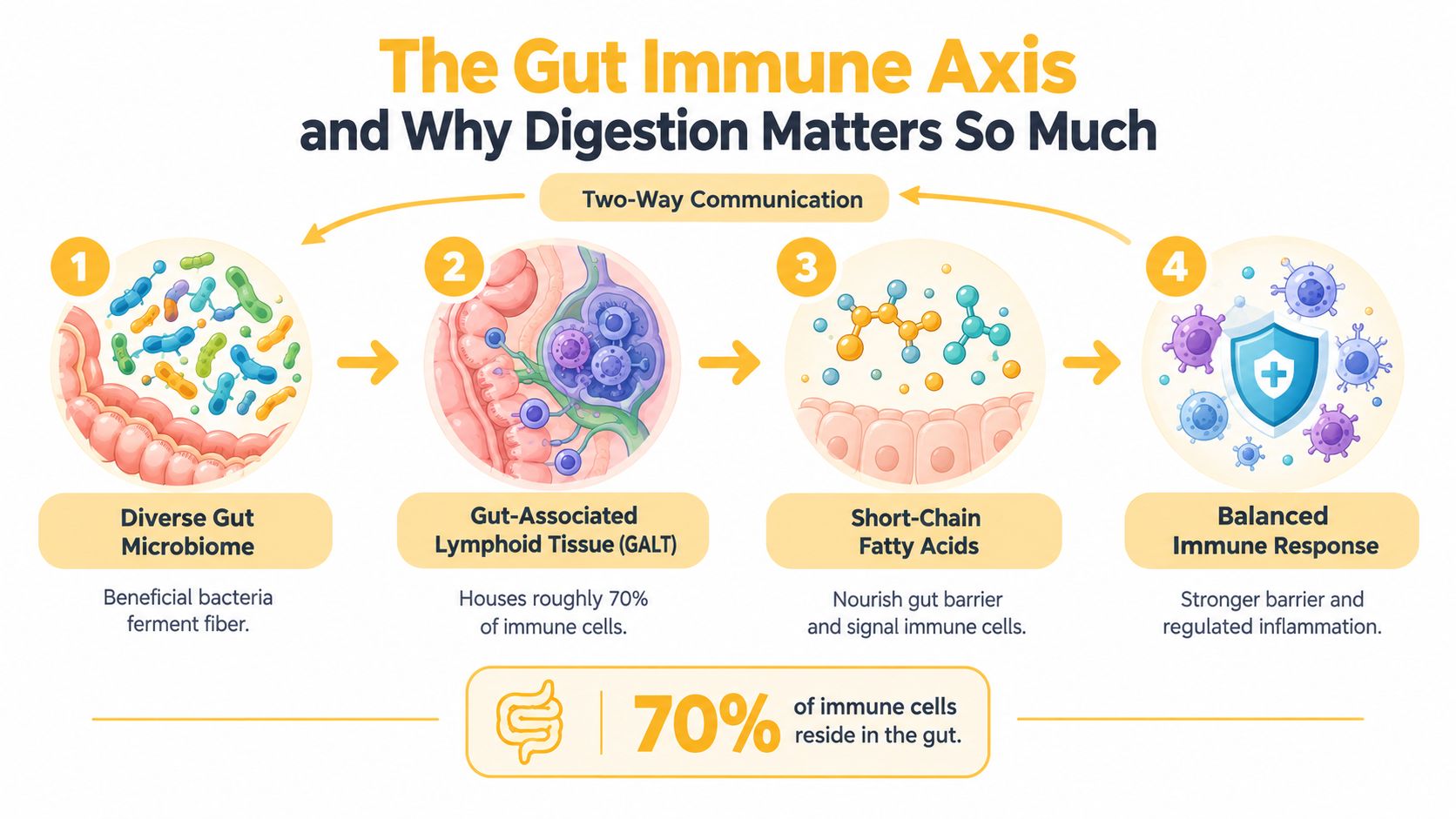
The gut isn't only a food-processing tube. It contains a large amount of immune tissue and constantly communicates with the microbes living inside it. Food, microbial metabolites, the intestinal barrier, and immune cells influence one another, so digestive changes can provide clues about broader nutritional and inflammatory balance.
A useful sequence looks like this:
- Dietary fiber reaches the colon.
- Selected bacteria ferment that fiber.
- Fermentation produces short-chain fatty acids.
- Those compounds affect the gut barrier and immune signaling.
Short-chain fatty acids can help nourish intestinal cells and influence the behavior of immune cells circulating elsewhere in the body. The gut microbiome also interacts with gut-associated immune tissue, helping the immune system distinguish between harmless dietary material, resident microbes, and potentially dangerous invaders.
Why the barrier matters
A healthy intestinal barrier limits unwanted movement of microbial components into surrounding tissues. When that barrier becomes disrupted, the immune system may encounter more inflammatory signals. That doesn't mean every digestive symptom represents an immune disorder, but it does explain why diet changes can affect stool quality, skin condition, appetite, and general comfort at the same time.
Fiber choice matters. Some fibers ferment readily, while others mainly add bulk or alter water retention. A sudden increase can produce gas or loose stool, so changes should be gradual and matched to the dog's tolerance. Prebiotics can support selected beneficial microbes, but they aren't interchangeable, and a product's suitability depends on the dog's current diet and digestive history.
Probiotics also need context. A named strain, a defined purpose, and appropriate handling provide more useful information than the word “probiotic” alone. The same principle applies to postbiotics and fermented ingredients. They may influence microbial or immune signaling, but a broad claim about “gut immunity” doesn't establish a predictable result for every dog.
Daily observations can help you track this system without over-interpreting it:
- Stool quality: Look for a stable, formed pattern rather than an abrupt change.
- Appetite: Note consistency and any recurring reluctance to eat.
- Skin and ears: Watch for patterns of irritation or recurrent problems.
- Tolerance: Record whether a new ingredient causes gas, diarrhea, or reduced appetite.
For practical guidance on diet, stool changes, and digestive routines, use this resource on dog gut health. The goal isn't to chase a perfect microbiome. It's to support a stable digestive environment that works with the dog's normal immune defenses.
What the Evidence Actually Shows About Immune Supplements for Dogs
Marketing often speaks with certainty, while canine research is more limited and specific. A 2024 review identified only 27 relevant studies on immune-support interventions in dogs, and it found that vitamin supplementation showed only slight benefits in two studies involving vitamins C and E (2024 review of immune-support evidence in dogs). That doesn't mean all supplements are useless. It means owners should match confidence to the quality and scope of the evidence.
Nutraceutical research is difficult to interpret for several reasons. Studies may use different dog populations, diets, health definitions, ingredients, doses, and outcomes. A product may affect an inflammatory marker without changing a meaningful clinical result. Research can also be small, short, or funded in ways that make independent confirmation especially important.
Read the claim in layers
A label becomes easier to evaluate when you separate four questions:
- What is the ingredient? “Omega-3s” is less precise than naming EPA and DHA, while “probiotic” is less informative than naming a strain.
- How much is provided? An ingredient list without a meaningful amount makes comparison difficult.
- What outcome is promised? Supporting normal digestion is a narrower claim than treating infection or stopping allergy symptoms.
- Does the claim fit the evidence? Evidence for a specific gastrointestinal outcome shouldn't automatically become proof of broad immune protection.
The review literature supports a cautious hierarchy. Omega-3 fatty acids have a plausible role in inflammatory modulation. Certain microbial products may be useful for defined digestive outcomes. Vitamins may help when a dog has a deficiency or inadequate intake, but more isn't automatically better.
| Ingredient Category | Canine Evidence Level | Best-Supported Use |
|---|---|---|
| Complete nutritional coverage | Foundational | Supplying the nutrients required for normal cell and tissue function |
| Omega-3 fatty acids | Mechanistically supported, with outcome-specific evidence | Supporting inflammatory regulation when the formulation and dose are appropriate |
| Vitamins and minerals | Strong biological rationale, but variable supplement evidence | Correcting or preventing nutritional gaps under suitable guidance |
| Probiotics | Strain-specific and outcome-specific | Supporting selected digestive goals when the strain and purpose are identified |
| Postbiotics and microbial metabolites | Emerging and context-dependent | Supporting defined gut or inflammatory objectives where evidence exists |
| Broad “immune-boosting” blends | Difficult to assess without complete formulation and dose details | Treat claims cautiously until ingredients, amounts, and outcomes are clear |
A supplement-label reading guide can help you inspect the details behind the front-of-pack promise. Look for transparent amounts, clear directions, quality testing information, and language that supports normal function rather than claiming to diagnose, treat, cure, or prevent disease.
Building a Realistic Daily Routine for Immune Health
A practical immune-support routine starts with the dog's whole day, not a supplement jar. The foundation is a nutritionally complete diet that matches the dog's life stage, size, health needs, and feeding pattern. A powder can't compensate for an unbalanced diet, excessive calories, poor tolerance, or an untreated medical problem.
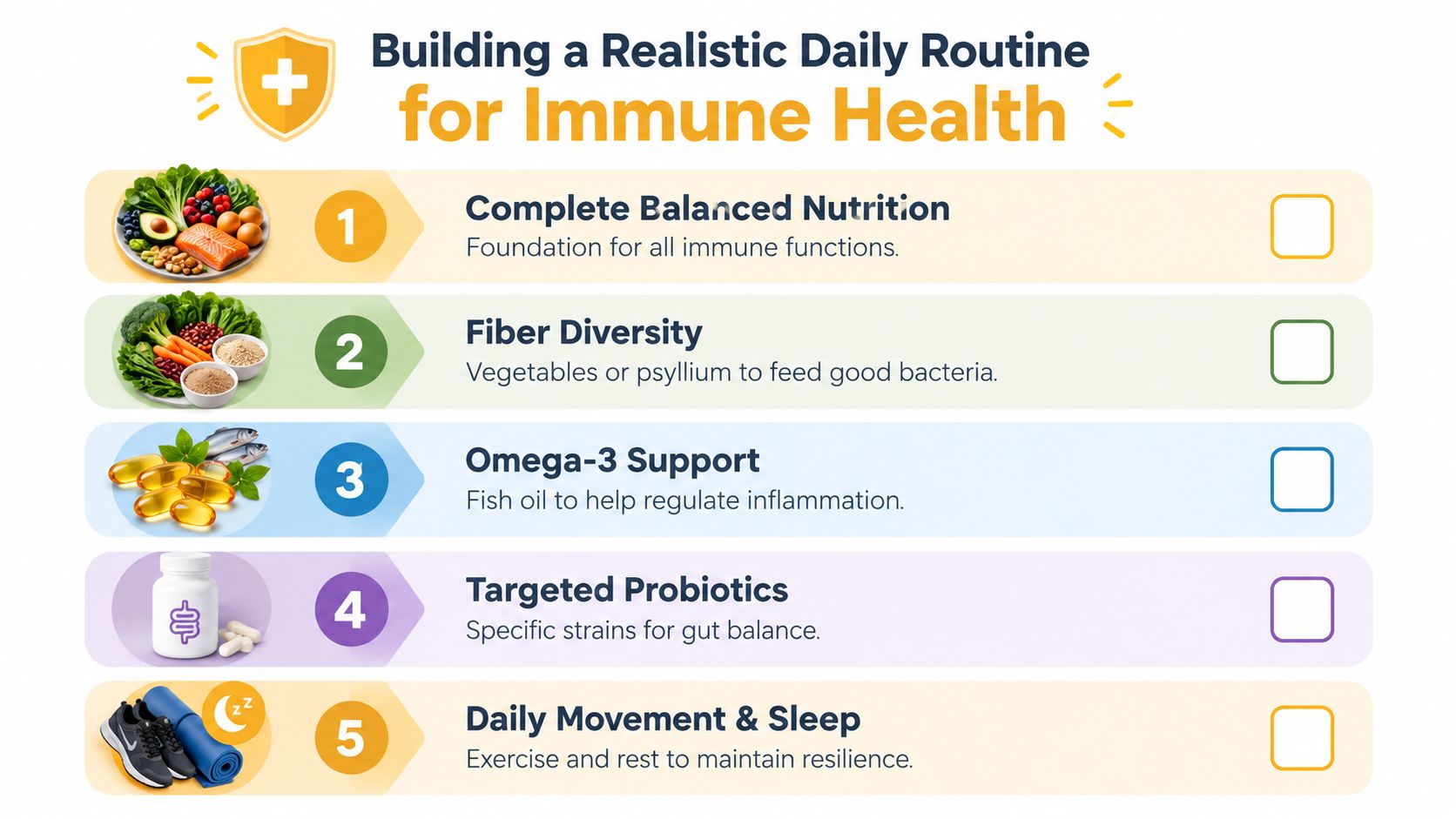
Build the routine in layers:
- Start with complete nutrition. Confirm that the primary diet supplies adequate protein, vitamins, and minerals.
- Support digestion gradually. Introduce suitable fiber sources slowly, and monitor stool quality rather than adding several new ingredients at once.
- Consider omega-3 support. A fish-oil product or omega-3-rich food may fit some dogs, but the amount and suitability should be reviewed with a veterinarian, especially if the dog has a medical condition or takes medication.
- Use targeted microbial support when there's a reason. Choose a clearly identified probiotic or postbiotic approach for a defined digestive goal.
- Protect the basics. Portion control, regular movement, adequate rest, preventive veterinary care, and a predictable routine matter more than frequent product changes.
One formula or several
An all-in-one powder offers simplicity. One daily serving may be easier to remember than separate products for joints, skin and coat, digestion, and general nutritional support. Consolidation can also make it easier to identify what changed if you introduce the routine carefully.
Separate supplements offer precision. If a veterinarian recommends a defined EPA and DHA intake, a specific digestive strain, or a condition-specific nutrient plan, individual products may make dosing and monitoring clearer. Stacking several formulas can also create overlap, especially with fat-soluble vitamins and minerals, so more labels don't necessarily mean better coverage.
The right comparison is therefore practical:
| Approach | Potential Advantage | Main Trade-Off |
|---|---|---|
| All-in-one formula | Fewer daily steps and less label juggling | May provide less precision for a specific diagnosed need |
| Separate targeted products | Easier to tailor ingredients and amounts | More complexity and greater risk of overlapping nutrients |
| Food-first routine | Keeps the diet as the central intervention | May require professional formulation for home-prepared diets |
| Short product trial | Can test tolerance and adherence | A brief trial may not reveal a long-term pattern |
Consistency matters because immune support is about maintaining normal function over time. Changing products every few days makes it difficult to identify tolerance, benefit, or lack of benefit. Introduce one meaningful change at a time, keep notes, and stop if the dog develops a concerning reaction.
Setting Realistic Expectations and Knowing When to Call the Vet
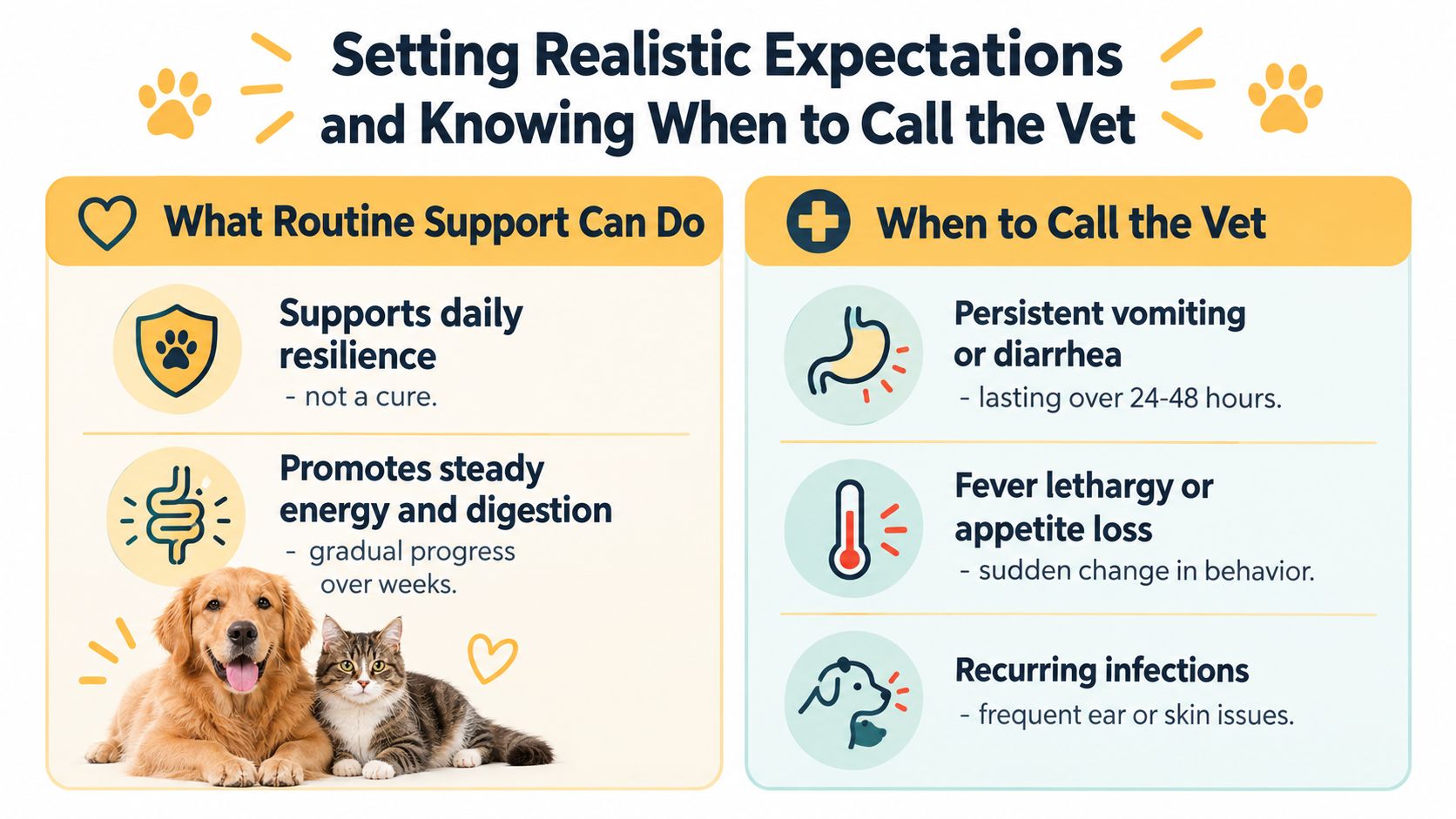
A sensible routine may support steady nutritional coverage, digestive regularity, normal energy, and recovery from ordinary daily stress. Those changes are usually gradual and nonspecific. They don't prove that a supplement strengthened immunity, and the absence of a visible change doesn't necessarily mean the diet is inadequate.
Track simple observations over weeks or months:
- Appetite: Is eating more consistent?
- Stool quality: Are digestive patterns steadier?
- Energy and coat: Does the dog return to its usual baseline?
- Minor flare-ups: Are small digestive or skin disruptions less frequent?
- Tolerance: Did the dog remain comfortable after the new ingredient was introduced?
These observations can help you decide whether a routine is practical, but they can't replace an examination or diagnostic testing. A daily powder won't reliably treat an infection, eliminate an allergy, resolve unexplained weight loss, or correct a disease that has not been identified.
Know the escalation signs
Contact your veterinarian when you notice:
- Persistent lethargy: The dog remains unusually tired or doesn't return to its normal behavior.
- Repeated vomiting or diarrhea: Ongoing digestive symptoms need evaluation rather than repeated supplement changes.
- Unexplained weight loss: Weight loss can reflect nutritional, digestive, metabolic, or systemic disease.
- Recurring skin or ear infections: Repeated problems may require allergy investigation, infection management, or broader assessment.
- Pale gums: This warrants prompt veterinary attention.
- Sudden behavior change: Abrupt changes can signal pain, illness, or another urgent concern.
Tell the prescribing veterinarian about every supplement, including powders, oils, chews, and foods added for therapeutic reasons. Nutrients and botanicals can interact with medications or complicate a treatment plan, even when the product is sold as “natural.”
Immune support is a maintenance layer, not a treatment. The evidence-honest approach is to inspect the claim, understand the biological target, assess the whole diet, and use preventive veterinary care as the foundation.
Pure Paw Labs offers daily, human-grade powdered supplements designed to combine support for areas such as gut health, immunity, joints, skin and coat, and stress in a single routine. If you're evaluating whether an all-in-one approach fits your dog's diet and needs, visit Pure Paw Labs and review the formulation details with your veterinarian.