


You bring home a tiny puppy with silky hair, short legs, and an enormous personality. The breeder says the puppy is a Yorkie Corgi mix, but you quickly realize that label doesn't answer the practical questions: How large will your dog become? How much exercise is safe? Should you plan for a Yorkie-like sensitive stomach or a Corgi-like long back?
A Yorkie Corgi mix, also called a Corkie or Corgi Yorkie, is best managed as an individual dog rather than a predictable breed type. Its care plan should follow the dog's body shape, life stage, activity level, coat, dental health, and body condition. That phenotype-driven approach is more useful than relying on the mix name alone.
Table of Contents
- Understanding the Yorkie Corgi Mix Profile
- Physical Traits and Biomechanical Considerations
- Navigating Inherited Health and Dental Risks
- Grooming Routines and Behavioral Training
- Tailoring Nutrition and Supplement Strategies
- Evaluating Household Suitability and Lifestyle Fit
Understanding the Yorkie Corgi Mix Profile
A puppy can arrive with silky hair, short legs, and an energetic personality, yet mature into a dog that looks unlike either parent. A Yorkie Corgi mix, also called a Corkie or Corgi Yorkie, has no standardized breed profile. Adult size, coat texture, body proportions, energy, and sensitivity can vary widely.
Published descriptions place some Yorkie Corgi mixes at about 8–15 pounds and 10–12 inches, while a broader profile lists 10–30 pounds and 7–12 inches at the shoulder. These ranges reflect the genetic spread between a toy-breed parent and a herding-breed parent. Use them as planning boundaries, not as a promise about your individual dog. Yorkie Corgi mix size and care information

Plan care around the phenotype
A Yorkie-leaning puppy may stay small with a fine-boned frame. A Corgi-leaning puppy may develop more body mass, shorter limbs, and a longer back. Those differences should shape daily management. A growing dog's equipment, food, and activity plan may need regular adjustment as its proportions change.
Check the puppy's body rather than relying on the mix name:
- Crate and carrier fit: Allow the dog to stand, turn, and lie down comfortably, while avoiding so much extra room that the equipment becomes difficult to manage.
- Harness selection: Measure the chest and neck. A harness suited to a narrow Yorkie-like frame may restrict or shift on a broader Corgi-like body.
- Food portions: Adjust meals for growth, activity, body condition, and veterinary guidance. A smaller Yorkie-type dog may need careful portion control because small serving errors represent a larger share of its daily intake.
- Exercise planning: Watch movement quality, recovery, and willingness to continue. Energy alone does not show whether the activity dose is appropriate.
Practical rule: Choose adjustable equipment and check its fit as the dog grows. Its body may change faster than its habits do.
The mix's behavior also reflects both family lines. Terrier alertness can appear as barking at unfamiliar sounds, while herding ancestry may create a strong interest in movement, chasing, or directing people and animals. Calm routines, reward-based training, and early observation help you distinguish normal enthusiasm from stress or overarousal.
Owners comparing mixed-breed care can consult this Shih Tzu Corgi mix guide. Keep a simple record of appetite, stool, movement, coat, teeth, and behavior. Those patterns provide a more useful care guide than the label alone, especially when deciding whether your dog needs management suited to Corgi-like spinal loading or Yorkie-like small-dog sensitivities.
Physical Traits and Biomechanical Considerations
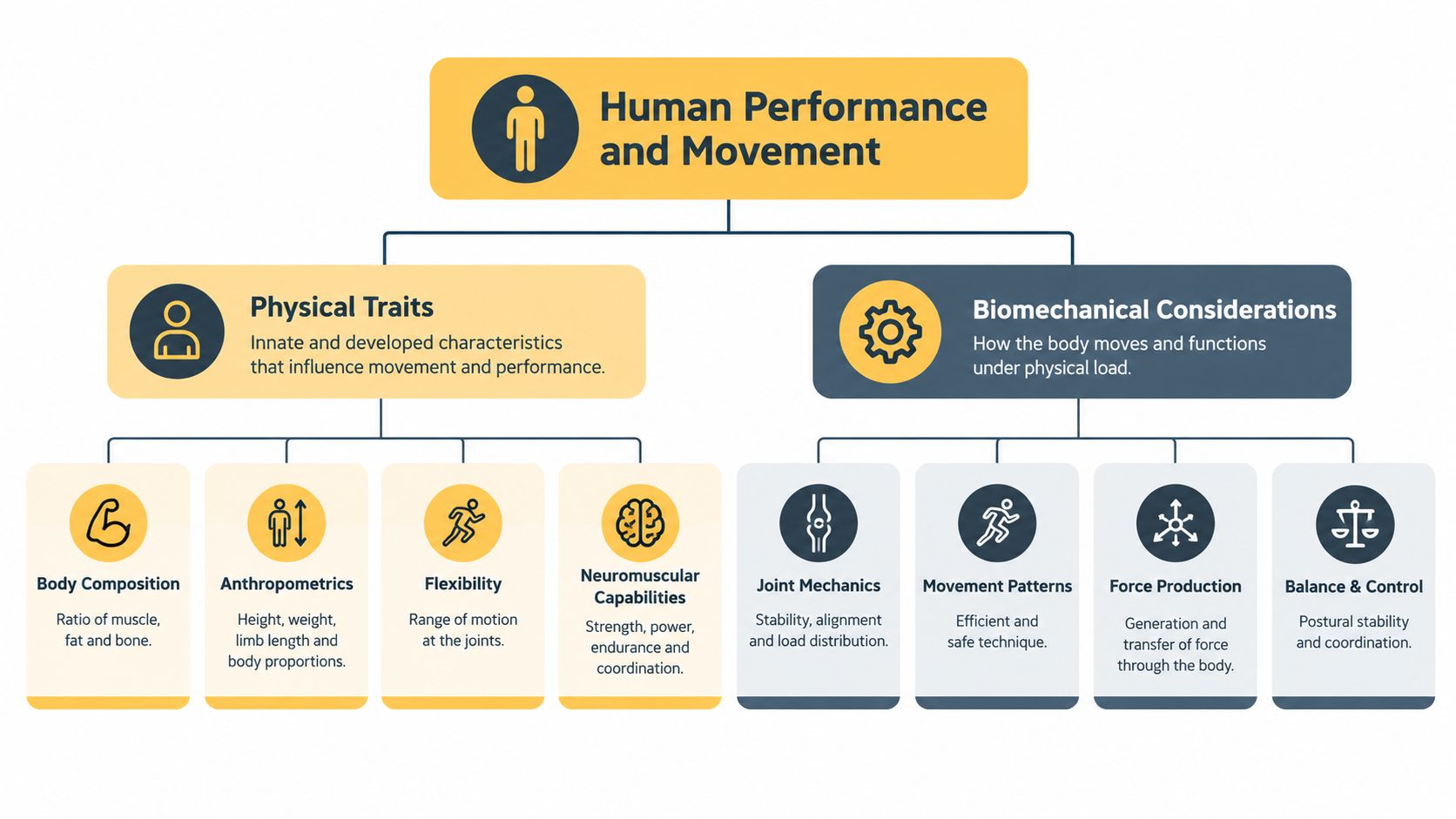
The Yorkie Corgi mix can inherit two very different body designs. The Yorkshire Terrier contributes a toy-breed frame, while the Corgi contributes a herding-dog build that may include a long back and short limbs. When those features combine, body mass, limb length, and back length become more important than the dog's name when you decide how it should move.
A Corgi-leaning dog may place greater mechanical demand on the spine during repeated jumping, abrupt landings, or stair use. A smaller Yorkie-leaning dog may have less body mass but still need careful handling because its limbs and joints are relatively delicate. The goal isn't to restrict normal play. It's to reduce unnecessary high-impact repetition.
Match activity to the dog's structure
Observe your dog from the side and from above. A veterinarian can help assess body condition, but you can also look for practical warning signs: difficulty rising, reluctance to climb, an altered gait, repeated slipping, or a change in willingness to play. Don't increase exercise just because a young dog seems energetic. Enthusiasm can hide fatigue.
Helpful household changes include:
- Block repeated furniture jumping. Use a ramp, a stable step, or lift the dog when appropriate. A single jump may not cause an obvious problem, but repeated impact is an avoidable strain.
- Reduce stair repetition. If stairs are unavoidable, supervise movement and avoid turning them into a high-speed game.
- Choose controlled exercise. Leash walks, gentle sniffing, and low-impact play are easier to regulate than repeated launching, twisting, or chasing on slippery floors.
- Keep nails and paw hair managed. Better traction can reduce slips and sudden compensatory movements.
For a clearer understanding of how limb structure influences movement, review this guide to dog leg bones and mobility. The purpose isn't to diagnose an orthopedic condition at home. It's to help you notice when your dog's architecture calls for a more conservative routine.
Body condition is part of orthopedic care
Extra body mass increases the load carried by the spine and joints, especially in a short-legged dog. Feed for a lean, stable body condition rather than aiming for the largest possible adult size. Your veterinarian can help set an appropriate target and adjust portions as growth or activity changes.
For aging dogs whose mobility, coat, and digestive needs require a consolidated routine, DA-1™ Daily All-in-One - Senior Dog Support, Joints, Skin/Coat & More is described as a formula with 18 human-grade ingredients targeting cells, gut, and joints, with one scoop and no fillers or pills. It shouldn't replace an orthopedic evaluation, balanced food, or a treatment plan for pain.
Navigating Inherited Health and Dental Risks
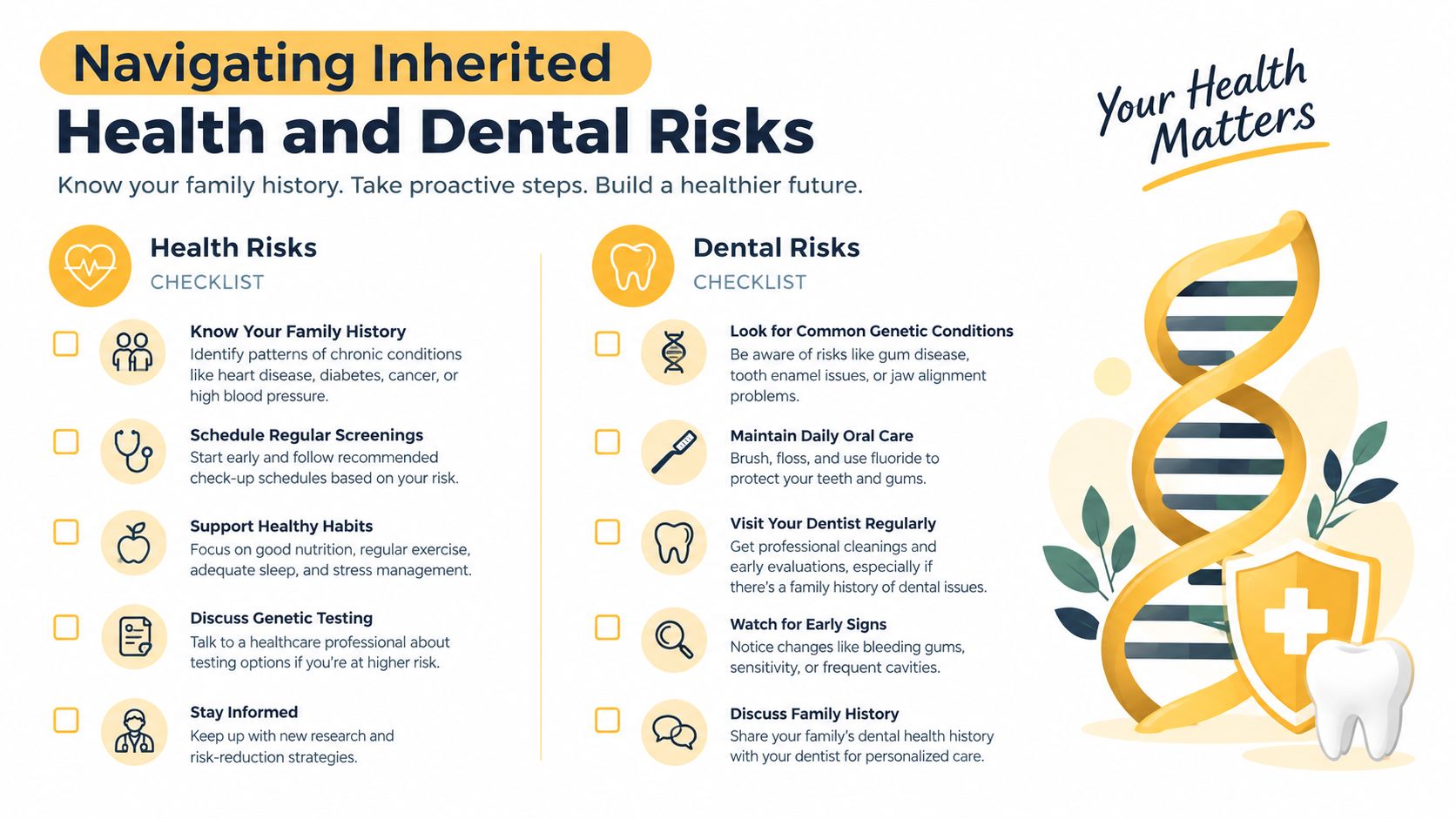
A Yorkie Corgi mix can inherit different vulnerabilities from either side of its family. Crossbreeding does not remove inherited risk, so care should follow the dog's actual structure and symptoms. A dog with a more Corgi-like build may need careful protection for its back, while a smaller Yorkie-like dog may need closer attention to its mouth, weight, and handling tolerance. Research from the Royal Veterinary College found no meaningful overall-health advantage for designer crossbreeds in most comparisons. The findings are summarized in RVC research on designer crossbreed health.
Dental risk deserves early attention. Small dogs are more likely to retain baby teeth and develop periodontal disease. Crowding gives plaque sheltered spaces, much like debris collecting between tightly packed tiles. The problem may progress before bad breath is obvious, so mouth care should begin during puppyhood.
Put dental checks on the calendar
Teach mouth handling in brief, positive steps. Lift the lip, touch the outside of the teeth, and reward stillness. Once that feels ordinary, introduce dog-safe toothpaste and a small brush or dental cloth. Stop before your puppy becomes worried.
Ask your veterinarian to inspect the mouth during routine examinations, especially when adult teeth appear while puppy teeth remain. Never pull retained teeth at home. A professional examination can show whether removal is needed and whether crowding is irritating the gums.
Use four checkpoints:
- Daily observation: Look for red gums, trapped food, unusual chewing, or facial sensitivity.
- Consistent cleaning: Brush as regularly as your dog accepts, increasing duration slowly.
- Professional assessment: Include the mouth in routine veterinary care instead of waiting for severe odor or pain.
- Early response: Seek advice if appetite, chewing, or behavior changes.
These dog dental health tips can help you build a manageable home routine.
Read skin and coat signals
Yorkies may develop dry, flaky skin, while a longer mixed coat can trap moisture, knots, and debris. Daily brushing is commonly recommended for long coats, with professional grooming often scheduled every 6–8 weeks, according to the documented breed-care profile. A Yorkie Corgi mix health and grooming profile also describes how coat texture can vary within the mix.
Inspect behind the ears, under the legs, around the collar, and where the limbs meet the body. These friction points mat easily. A mat pulls on skin and can hide redness or irritation. Severe tangles may require professional removal rather than forceful brushing. Pair coat checks with the same calm handling used for dental care, so changes are easier to spot and address early.
Grooming Routines and Behavioral Training
A Yorkie Corgi mix may have a coat that falls like silky Yorkie hair, a denser Corgi-like coat, or an intermediate texture that mats in some places and sheds in others. Start by identifying the coat you have. The right routine depends on texture, length, skin sensitivity, and how calmly your dog accepts handling.
Build grooming into ordinary moments
Use short sessions instead of waiting for a full grooming appointment. Let the dog sniff the brush, touch one paw, and reward stillness. On another occasion, brush a small area and stop before the dog becomes restless.
A workable sequence looks like this:
- Inspect first. Check the skin, ears, paw pads, nails, and friction points.
- Work in sections. Divide the coat into manageable areas and brush gently from the skin outward.
- Untangle carefully. Never yank a tight mat. If the skin moves with it or the dog shows discomfort, ask a groomer for help.
- Maintain the schedule. Long coats often need daily brushing, while shorter coats may need less frequent attention.
- Pair handling with rewards. Calm cooperation is easier to build when grooming predicts food, praise, or a quiet activity.
Yorkie coat care commonly involves daily brushing and grooming appointments every 6–8 weeks, but the mixed coat may require a different schedule. Let mat formation and skin condition guide the frequency.
Channel alertness before it becomes a nuisance
The terrier side may produce boldness and quick reactions. The herding side may encourage chasing, heel-nipping, barking, or attempts to control movement. Punishment can increase anxiety or suppress warning signals without teaching a useful alternative.
Teach replacement behaviors:
- Ask for a hand target when your dog begins to fixate on moving feet.
- Reward looking at a visitor and then returning attention to you.
- Use food puzzles, scent games, and short training sessions to provide mental work.
- Practice “leave it,” “come,” and “settle” in quiet spaces before using them around distractions.
For outdoor practice, a retractable dog lead for puppies may offer adjustable distance, but it should be used only where you can maintain control and avoid tangles, traffic, or sudden lunges. A regular fixed lead may be more appropriate for crowded areas or early leash training.
Reward the behavior you want before the dog escalates. A quiet glance back at you is easier to reinforce than a barking episode already in full motion.
Tailoring Nutrition and Supplement Strategies
A Yorkie Corgi mix may stand at the bowl with a Corgi-like appetite while carrying a Yorkie-sized frame. That combination makes portion control and food selection more important than the breed label. Build the diet around life stage, body condition, activity, and health status. Puppies need food formulated for growth, while adults need a maintenance diet. A balanced diet should also meet recognized nutritional standards; see this guidance on balanced dog food for an explanation of how those requirements are assessed.
A minimum nutrient figure is a starting point, not a personal feeding prescription. Your veterinarian should interpret the food label alongside portion size, growth pattern, stool quality, and body condition. Weighing meals can be especially useful when a small dog gains weight quickly, because a modest extra serving has a larger effect on a toy-sized body.

Start with the bowl, then consider additions
A complete, balanced diet supplies the foundation. Supplements cannot correct unsuitable food, excessive portions, or an untreated medical problem. Avoid adding extra nutrients casually during puppy growth, since they may disrupt an already balanced formula.
Use the dog's signs to decide what deserves attention:
- If body condition is changing: review portions, treats, and activity before considering a supplement.
- If stools are inconsistent: record food changes and symptoms, then discuss the pattern with a veterinarian.
- If the coat is dull or skin is flaky: check grooming, parasites, allergies, and diet quality.
- If movement changes: arrange an examination rather than assuming discomfort is normal aging.
Choose support according to the risk pathway
Supplement discussions for this mix commonly involve mobility, skin and coat, and digestive support, but inheritance should guide the priority. A dog with a longer Corgi-like body and spinal vulnerability needs careful weight control and measured activity before any mobility product is considered. A smaller Yorkie-like dog may need closer attention to eating consistency, dental health, and tolerance of dietary changes.
Market demand for joint, skin, coat, and digestive products does not show that every dog needs one. If your veterinarian recommends support, introduce it gradually, follow the label directions, and report it during appointments. Keep a record of the product, serving amount, start date, and any change in appetite, stool, skin, or movement. That makes it easier to identify benefit, irritation, or an unrelated health problem.
Evaluating Household Suitability and Lifestyle Fit
A Yorkie Corgi mix may thrive in an apartment, while a large house may create avoidable risks. The deciding factor is the daily routine: controlled exercise, enrichment, training, outdoor access, and supervision around stairs and furniture. A dog that races down steps or launches from sofas faces a different physical burden from one whose owner provides calm, low-impact activity.
This mix is often described as having a 12–15 year life expectancy, so bringing one home means planning for years of dental care, grooming, measured nutrition, movement management, and veterinary monitoring. Its inherited shape should guide that plan. A longer, Corgi-like body calls for stricter control of weight and jumping, while a smaller, Yorkie-like dog may need closer observation of eating habits, dental comfort, and sensitivity to household handling.
Compare the household against the dog's needs
| Household situation | Potential fit | What owners need to provide |
|---|---|---|
| Apartment with a consistent routine | Often workable | Low-impact walks, indoor enrichment, noise training, and stair supervision |
| Home with young children | Depends on supervision | Gentle handling, protected rest, and teaching children not to lift or chase the dog |
| Home with other pets | Depends on introductions | Controlled greetings, separate feeding areas, and management of chasing or herding |
| Busy household | Possible with planning | Predictable care responsibilities, grooming time, and daily training |
| Quiet home with an attentive owner | Often favorable | Regular companionship, mental stimulation, and close observation of health changes |
Children should learn that a small dog is a companion, not a toy. They must not pull its coat, interrupt meals, or encourage jumping from furniture. Teach children to let the dog leave when it wants space. Introduce other pets gradually, since rapid movement may trigger chasing or herding behavior.
Think beyond exercise
Daily care includes brushing, mouth checks, nail maintenance, calm-behavior training, measured meals, and environmental changes that reduce risky jumps. Sleeping areas also need regular cleaning. This bedding hygiene guide for homes with pets provides practical advice for maintaining cleaner pet bedding.
Choose this mix only if you can adjust care as its body and behavior develop. A tiny, energetic puppy may later require tighter weight control, more careful movement, or extra grooming support. Good ownership means observing changes, adapting routines, and seeking veterinary help early.
Pure Paw Labs offers dog supplements for areas such as joints, skin and coat, digestion, immunity, and stress. If supplemental support fits your dog's diet and health plan after veterinary review, visit Pure Paw Labs to explore the available options.