


Digestive problems affect about one in three dogs, with 34.8% of examined dogs found to have a digestive problem. Many recurring gut problems involve diet, microbiome disruption, or stress, and targeted nutritional support can make a meaningful difference.
You may be seeing the signs at home already. Your dog leaves breakfast untouched, licks their lips during a quiet evening, or produces stool that looks noticeably different on the morning walk. You wonder whether it was a harmless dietary mistake, a sign of food intolerance, or something that needs veterinary attention.
Dog digestive health becomes easier to manage once you stop treating every symptom as an isolated event. Appetite, stool quality, vomiting, energy, skin, coat, and behavior can all provide clues about how well the digestive system is functioning. The aim isn't to panic over one unusual bowel movement. It's to recognize patterns, understand the gut's moving parts, and choose support that fits the likely cause.
Table of Contents
- Recognizing When Your Dog's Gut Is Out of Balance
- The Three Main Causes of Canine Digestive Upset
- How Gut Health Connects to Overall Wellness
- Probiotics, Postbiotics, and What Actually Works
- A Practical Feeding and Supplementation Strategy
- When to Worry and When to Wait
- Building Long-Term Digestive Resilience
- Frequently Asked Questions About Canine Digestive Health
Recognizing When Your Dog's Gut Is Out of Balance
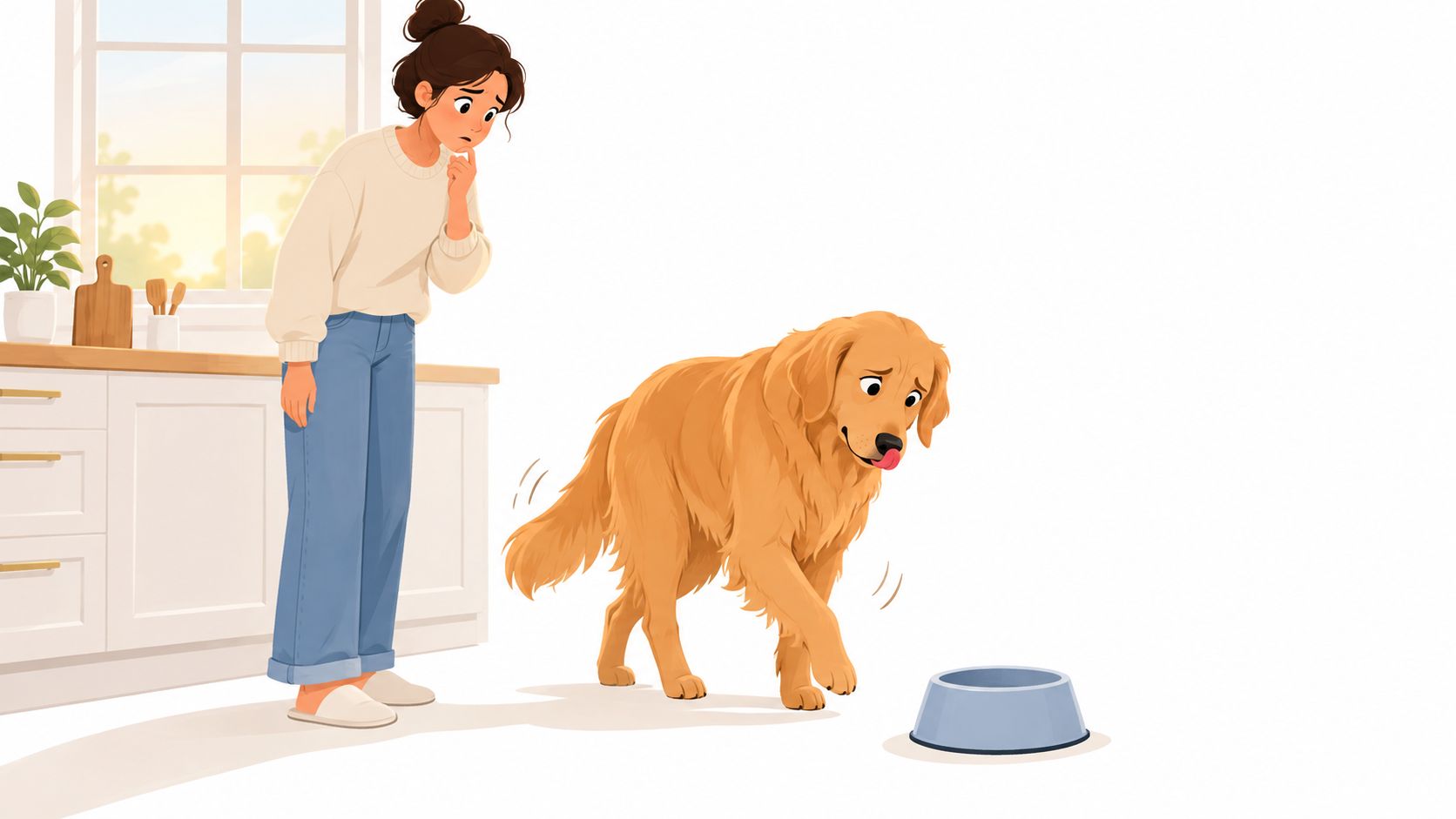
Maya noticed the change while preparing dinner. Her golden retriever, Cooper, usually hovered near the food bowl, but that evening he licked his lips, sniffed his meal, and walked away. The next morning, his stool was softer than usual. Maya wasn't sure whether to wait, change his food, or call the clinic.
That uncertainty is common. A single episode may pass, but a pattern deserves attention. Start by learning your dog's normal baseline. Note the usual appetite, stool texture, bowel routine, energy, coat appearance, and enthusiasm for walks. A change becomes more useful information when you can compare it with what your dog normally does.
Early clues worth recording
Common digestive signals include loose or inconsistent stool, constipation, gas, vomiting, reduced appetite, drooling, and repeated lip licking. Some changes are less direct. A dog with ongoing digestive difficulty may seem quieter, lose condition, develop a duller coat, scratch more often, or show less interest in play.
These signs don't prove that the microbiome is disturbed. They can also occur with parasites, pain, infection, medication effects, pancreatic disease, or other medical conditions. That's why a diary is valuable. Record meals, treats, supplements, stressful events, stool changes, and symptoms rather than making several changes at once.
Practical rule: Look for a pattern, not a single imperfect stool.
If appetite loss is the most noticeable change, The Companion Project appetite help offers a useful checklist of possible concerns and next steps. For a broader symptom guide, review signs of poor gut health in dogs, then contact your veterinarian if symptoms persist, intensify, or appear alongside low energy or pain.
Digestive problems are widespread in canine practice. A study of 3,864 dogs found digestive problems in 34.8% of examined dogs, while diarrhea, vomiting, and anorexia were among the most frequently recorded issues in the population-level analysis. That doesn't mean every soft stool signals disease. It does mean digestive health deserves the same calm attention as dental, skin, or joint health.
The Three Main Causes of Canine Digestive Upset
A dog may develop loose stool after a new treat, vomit during a stressful week, or become unusually gassy after medication. These episodes can look similar, yet they may begin for different reasons. The gut works as a connected system: food provides the inputs, resident microbes help process them, and the nervous system influences movement and appetite. When one part changes, digestion can become unsettled.
Dietary triggers
A sudden food change, rich leftovers, unfamiliar treats, or an ingredient your dog does not tolerate can irritate the digestive tract. A nutritionally complete food still may not fit every individual dog. Suitability depends on the dog's age, health, preferences, and tolerance, as well as how quickly the new food was introduced.
Keep a simple food diary. Record meals, chews, treats, and the timing of stool changes or vomiting. If symptoms follow one new item, pause that variable and ask your veterinarian how to proceed. Repeatedly changing foods can add more variables and make the underlying pattern harder to identify.
Microbiome imbalance
The microbiome is the living community of microorganisms in the digestive tract. It works like a small ecosystem: different organisms use food compounds, produce metabolites, interact with intestinal cells, and help limit opportunities for harmful microbes. Illness, medication, dietary disruption, and environmental stress can shift that ecosystem.
A change in microbial balance may show up as gas, altered stool consistency, reduced appetite, or poorer tolerance of diet changes. Diarrhea is only one possible outcome. Food formulation can influence microbial populations and the compounds they produce, which helps explain why targeted nutrition may support more stable digestion over time as described in canine gut microbiome research.
Stress
Boarding, visitors, travel, household changes, or a frightening event can affect gut movement and appetite. The digestive tract and nervous system communicate continuously, so stress can change how quickly food moves through the gut even when the diet stays the same.
Timing provides a useful clue. If loose stool or reduced appetite begins after a stressful event and eases as your dog settles, stress may be contributing. Persistent, severe, or recurring symptoms still need veterinary assessment, because stress can occur alongside illness. Predictable meals, rest, and a calm routine may support recovery while you seek guidance.
For help organizing observations, review upset stomach symptoms in dogs before speaking with your veterinary team.
How Gut Health Connects to Overall Wellness
A dog may finish a normal meal yet still struggle with poor nutrient use, low energy, or recurring skin problems. The digestive tract is more than a passage for food. It works like a guarded border, allowing nutrients through while intestinal cells and immune defenses monitor what enters the body.
Canine gut microbes help limit pathogens, support digestion, nourish intestinal cells, and guide immune-system development. Diet composition can also change microbial populations and the compounds they produce, linking food formulation with digestive function and disease risk in the canine gut microbiome literature.
The gut's wider connections
When digestion functions well, a dog can process food and use its nutrients effectively. Persistent digestive impairment may affect body condition, energy, skin, and coat because the body is receiving or handling nutrients less effectively. Gut signals also communicate with the nervous system through the gut-brain axis, which helps explain why some dogs appear more unsettled when their digestive tract is uncomfortable.
These relationships need careful interpretation. An itchy dog does not automatically have a gut disorder, and an anxious dog does not automatically need a digestive supplement. Skin disease, pain, allergies, endocrine disease, and behavioral factors each require appropriate assessment. Gut health is one part of the whole-dog picture.
Why recent research matters
Canine microbiome research is becoming more precise. A 2024 analysis examined 2,639 stool shotgun metagenomes, including 2,272 dog samples from 14 public datasets plus eight new study populations in the companion-animal microbiome analysis. A dataset of this scale allows researchers to examine how diet, age, and health status shape microbial communities instead of treating every dog as biologically identical.
That distinction matters when choosing support. A puppy with temporary loose stool, a senior dog with recurring digestive disease, and a dog recovering from illness may need different dietary strategies. Long-term resilience develops when nutrition matches the individual while the underlying cause is addressed, rather than when one product is applied to every symptom.
For a broader whole-dog perspective, whole-dog health provides a useful reminder that digestion belongs alongside immune, skin, behavioral, and lifestyle factors.
Probiotics, Postbiotics, and What Actually Works
The supplement label may promise “good bacteria,” but that phrase alone doesn't tell you whether a product is appropriate. Probiotics, postbiotics, and prebiotics work in different ways, and research doesn't support treating them as interchangeable.
| Approach | What it provides | Main question to ask |
|---|---|---|
| Probiotics | Live microorganisms | Is the strain identified, and does evidence fit the dog's condition? |
| Postbiotics | Components or metabolites from microorganisms | Is the formulation clearly described and suitable for the intended use? |
| Prebiotics | Substrates, often fibers, that support selected microbes | Can the dog tolerate the ingredient and amount? |
Why strain and context matter
A review of 17 studies found that the overall effect of probiotics for preventing or treating acute gastrointestinal disease was limited and possibly not clinically important. Yet individual trials using defined doses, including 2×10^10 CFU per day and 2.3×10^8 CFU per day, reported faster diarrhea resolution, improved stool output, better fecal consistency, or increased short-chain fatty acid production in the review of canine probiotic evidence.
The lesson isn't that probiotics never help. It's that the result depends on the exact strain, dose, product quality, and clinical context. A product chosen for general maintenance shouldn't be assumed to treat an unexplained recurring illness.
Comparing the options
Live probiotics may be useful when a veterinary professional identifies a relevant strain and a sensible purpose. Postbiotics don't rely on living organisms remaining viable through storage and the digestive process, which may make them attractive when a formulation is designed around microbial components or metabolites. Prebiotics provide resources that selected gut microbes can use, but adding too much fiber too quickly can worsen gas or loose stool.
If you're comparing categories, prebiotic versus probiotic versus postbiotic support can clarify the basic distinctions. For a general overview of probiotic considerations, Yuve probiotics for gut health may also help you identify the questions to ask before buying.
Choose transparency over impressive wording. Look for named ingredients, clear directions, appropriate storage information, and a product intended for dogs. If your dog has persistent symptoms, use supplements as part of a veterinary plan, not as a substitute for diagnosis.
A Practical Feeding and Supplementation Strategy
Good digestive support usually starts with fewer variables, not a crowded supplement cupboard. The following approach gives you a steady way to make changes while preserving useful information about your dog's response.
Start with the daily foundation
Feed a complete diet suited to your dog's life stage, body condition, activity, and medical history. Keep meals and treats reasonably consistent, limit rich extras, and avoid sudden changes. When a new food is appropriate, ask your veterinarian how to transition it gradually, unless they give different instructions for a specific medical situation.
Record the basics for a short period:
- Food and treats: Write down the main diet, chews, scraps, flavored medicines, and supplements.
- Digestive output: Note stool consistency, frequency, gas, vomiting, and appetite.
- Context: Add travel, boarding, visitors, medication, illness, or unusual stress.
- Response: Change one major factor at a time so you can identify what helped or worsened symptoms.
Add support selectively
A supplement may make sense for a dog with occasional sensitivity, a history of digestive disruption, or a need for broader nutritional support. Select based on ingredient transparency and a formulation that matches the dog's situation. Don't stack several products just because each label mentions the gut.
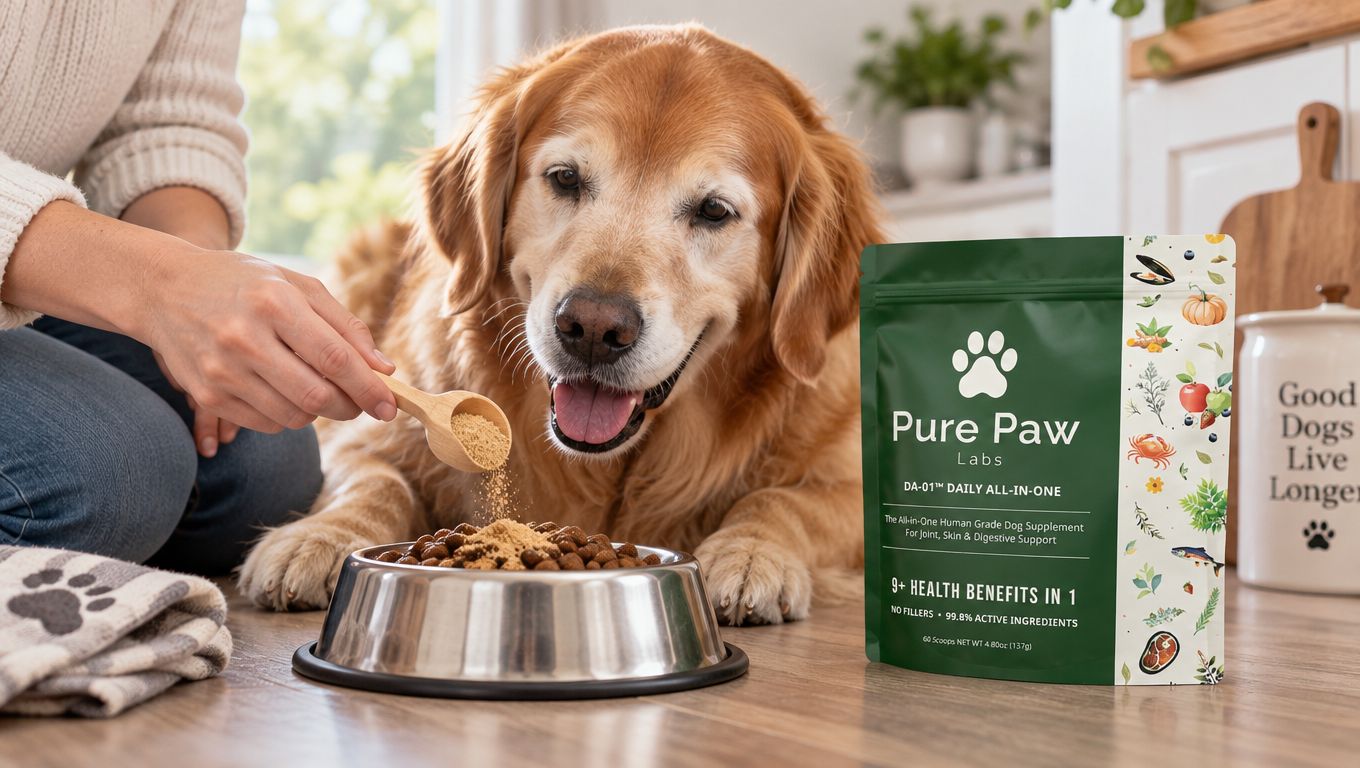
For owners who prefer one routine rather than multiple products, DA-1™ Daily All-in-One - Senior Dog Support, Joints, Skin/Coat & More is described as a once-daily, multi-system powder with 18 human-grade ingredients targeting cells, gut, and joints. It contains no fillers and is covered by a 60-day money-back guarantee, according to the provided product information.
Introduce any supplement carefully and monitor appetite, stool, energy, and comfort. Stop and contact your veterinarian if symptoms worsen. A daily routine only helps when the product is suitable, the dog tolerates it, and the underlying medical problem hasn't been overlooked.
For more practical dietary guidance, use this guide to improving digestion and gut health alongside advice from your veterinary team.
When to Worry and When to Wait
Not every digestive change requires medication, but not every digestive change is safe to manage at home. The right decision depends on the severity of the symptom, whether it keeps returning, and how your dog looks between episodes.
Signs that may allow careful observation
A dog with one mild digestive change who remains bright, comfortable, hydrated, and interested in normal activities may be observed closely while you remove recent dietary triggers and maintain access to water. Keep notes, avoid experimenting with several remedies, and seek advice if the issue doesn't settle or returns.
Mild symptoms can still matter when they form a pattern. Repeated soft stool, recurring vomiting, ongoing appetite changes, weight loss, or persistent gas deserves a veterinary assessment even if each individual episode seems manageable.
Signs that need veterinary attention
Contact a veterinarian promptly for repeated vomiting, blood in stool, marked lethargy, painful or distended abdomen, dehydration, collapse, suspected toxin exposure, or complete refusal of food. Puppies, older dogs, dogs with chronic illness, and dogs taking medication may need earlier advice because their reserves and risks differ.
A natural ingredient isn't automatically safe, and a supplement isn't automatically appropriate for an undiagnosed illness.
Travel can add another layer of planning. If you're arranging pet travel on private jets, ask your veterinarian how to manage meals, water, medication, motion stress, and access to emergency care during the journey.
Nutritional and lifestyle changes can help prevent recurring upset, but they shouldn't delay care when red flags appear. Medication may be necessary for the underlying condition, while diet and microbiome support can help recovery when your veterinarian recommends them.
Building Long-Term Digestive Resilience
A resilient digestive system isn't one that never reacts. It's one that can handle ordinary changes with fewer dramatic disruptions, while the owner recognizes quickly when a reaction falls outside the dog's normal range.
Build that resilience through repeatable habits. Keep the core diet stable, introduce changes gradually, offer treats thoughtfully, provide clean water, and reduce avoidable stress around meals. Continue observing stool, appetite, energy, skin, coat, and behavior, because these signals help reveal whether a strategy is working.
A simple decision framework
Use three questions whenever digestive symptoms appear:
- How severe is it? Pain, blood, repeated vomiting, collapse, pronounced weakness, or abdominal swelling calls for veterinary guidance.
- Is it resolving? A mild, isolated change in an otherwise comfortable dog can be monitored carefully, but persistence or recurrence changes the decision.
- What else has changed? Review food, treats, medication, travel, stress, illness, and access to inappropriate items.
This approach prevents two common mistakes. The first is reacting to every minor variation with an abrupt food switch or a new supplement. The second is normalizing recurring symptoms because the dog seems cheerful between episodes.
Your veterinarian can help decide whether the next step is a fecal evaluation, dietary trial, targeted supplement, medication, or broader diagnostic work. The best plan is specific to the dog, documented over time, and adjusted when the evidence changes.
Digestive care also benefits from patience. Microbial communities and intestinal tissues don't always respond instantly, and a stable routine gives you a clearer view of gradual improvement than a series of dramatic interventions.
Frequently Asked Questions About Canine Digestive Health
Are human probiotics suitable for dogs?
A human probiotic may not suit a dog. Its effects depend on the organism, strain, dose, formulation, and clinical context, so the product may not address your dog's needs. Ask your veterinarian before using one, particularly if your dog has a diagnosed condition or takes medication.
How long might digestive support take to show an effect?
The timeline varies with the dog, the cause of the symptoms, and the type of support provided. In a study of healthy dogs, digestive-health scores improved from a median of 7 out of 10 to 8 out of 10 over 28 days, with a significant effect visible by day 7. The share of dogs with very moist or liquid stools also fell from 23% to 12% in the reported 2026 study. These findings do not predict the same response in a sick dog. Track overall trends instead of expecting an immediate change.
Does a sensitive dog need a grain-free diet?
Dogs have different tolerances, medical histories, and nutritional requirements. A veterinarian may recommend a specific diet for a suspected allergy, gastrointestinal disease, or another diagnosis. Removing an ingredient without a clear reason can make the diet less balanced and complicate later assessment.
What if my dog refuses a supplement?
Try mixing a small amount into a familiar meal, provided your dog accepts the taste. Do not hide it in a food your dog needs to keep eating if refusal could create an aversion. Ask whether it can be combined with wet food, a tolerated topper, or another delivery method. Persistent refusal is a reason to stop forcing the supplement and discuss another formulation with your veterinary team.
Pure Paw Labs offers daily dog supplements intended to combine digestive, immune, skin and coat, joint, and stress-related support in one scoop. Visit Pure Paw Labs to review the formulation and consider whether it fits your dog's routine and veterinary care plan.