


Your dog has loose stool, vomited after dinner, or is turning away from food again. You want something gentle that won't add another problem, but “easy to digest” isn't a universal label. Tolerance depends on the individual dog, preparation, fat content, allergies, and the cause of the symptoms.
The safest starting point is simple: choose one plain option, serve a modest portion, introduce it gradually, and change only one variable at a time. Avoid salt, spices, onions, garlic, excess fat, cooked bones, and sweeteners. A bland food can provide temporary digestive support, but it isn't automatically a complete long-term diet.
This list organizes easy to digest foods for sensitive stomachs by their practical role, from gentle liquids and lean proteins to fiber, fermented foods, mineral balancing, and carefully selected botanicals. For broader context on food and digestion, see this science-backed gut health guide. If vomiting or diarrhea is severe, persistent, recurrent, or accompanied by other concerning signs, contact your veterinarian rather than continuing to experiment at home.
Table of Contents
- 1. Bone Broth
- 2. Plain Cooked Chicken
- 3. Pumpkin Puree
- 4. Sweet Potato
- 5. Plain Low-Fat Yogurt With Live Cultures
- 6. Plain Cooked Turkey
- 7. Bone Meal and Eggshell Powder for Calcium
- 8. Gentle Digestive Herbs and Botanicals
- Top 8 Gentle Foods, Digestibility Comparison
- Build a Safer Sensitive-Stomach Routine
1. Bone Broth
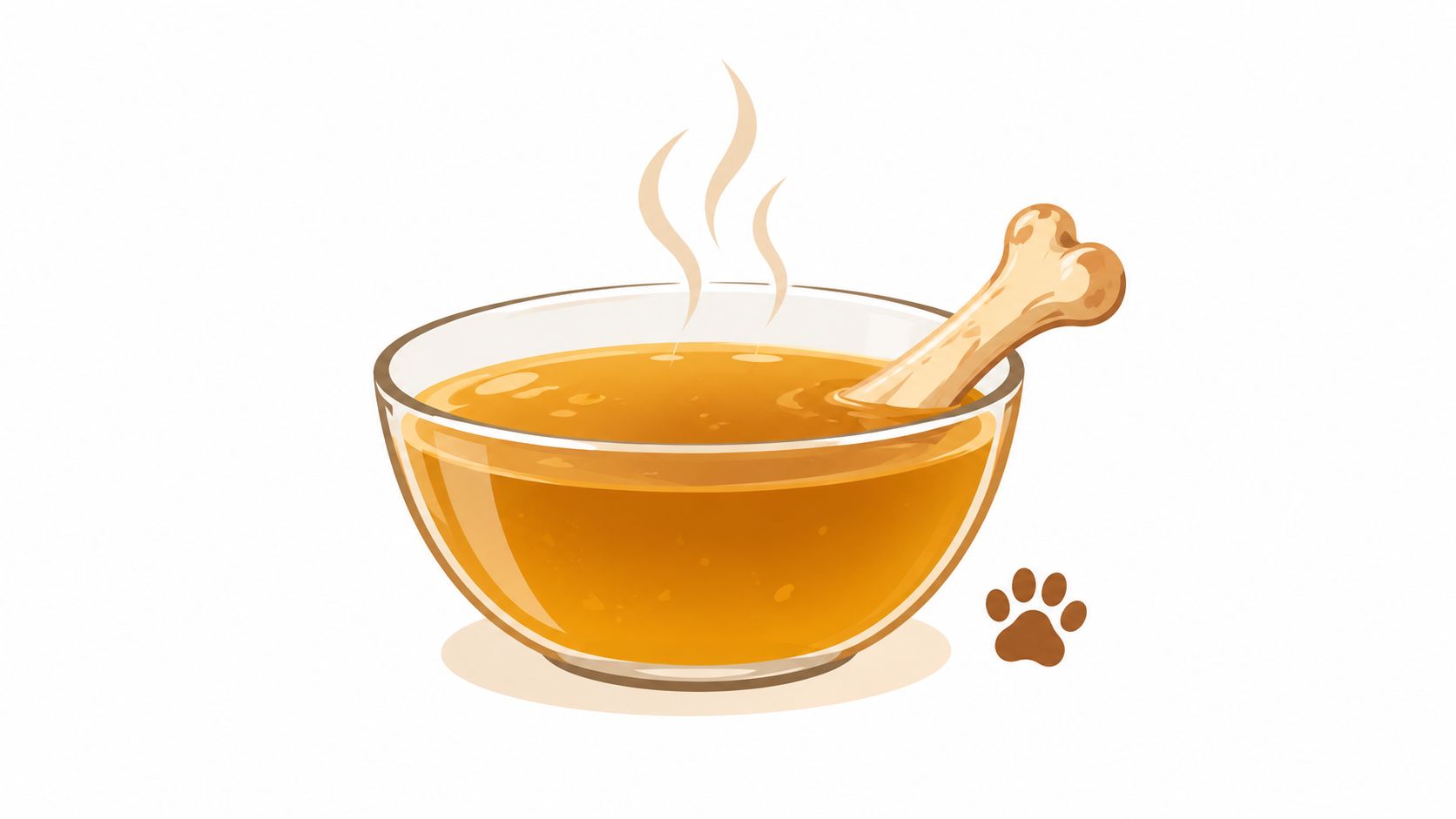
Bone broth is useful when a dog needs a mild, moist addition to food or is reluctant to eat a dry meal. Properly made broth supplies fluid and flavor without the bulk of a large serving, which can make it a practical first step during a mild appetite dip. It should be treated as a topper or temporary aid, not as a complete diet.
Use broth made specifically for dogs or prepare it from plain animal bones and connective tissue. The critical safety check is the ingredient list. Onions, garlic, heavy seasoning, excess salt, and cooked bones are unacceptable. Remove all bones before serving, and skim away visible fat because a rich, greasy broth may worsen digestive upset.
Practical rule: Broth should be plain enough that you'd recognize every ingredient immediately.
Begin with a small splash mixed into the dog's usual food rather than offering a full bowl. Serve it cooled to room temperature, not hot, and observe stool, appetite, and vomiting before increasing the amount. Freezing plain broth in small portions can make controlled serving easier, but portion size should still suit the dog's body size and medical history.
Broth can fit naturally into a broader topper routine. This guide to healthy dog food toppers can help you think about additions without turning every meal into a complicated mixture. If you're considering a daily multi-system supplement, DA-1™ Daily All-in-One - Senior Dog Support, Joints, Skin/Coat & More is described by its manufacturer as a powdered formula with 18 human-grade ingredients for cells, gut, and joints. Discuss any supplement with your veterinarian, especially if your dog takes medication or has chronic disease.
Broth won't replace veterinary care when a dog can't keep fluids down, appears dehydrated, or has repeated gastrointestinal symptoms.
2. Plain Cooked Chicken
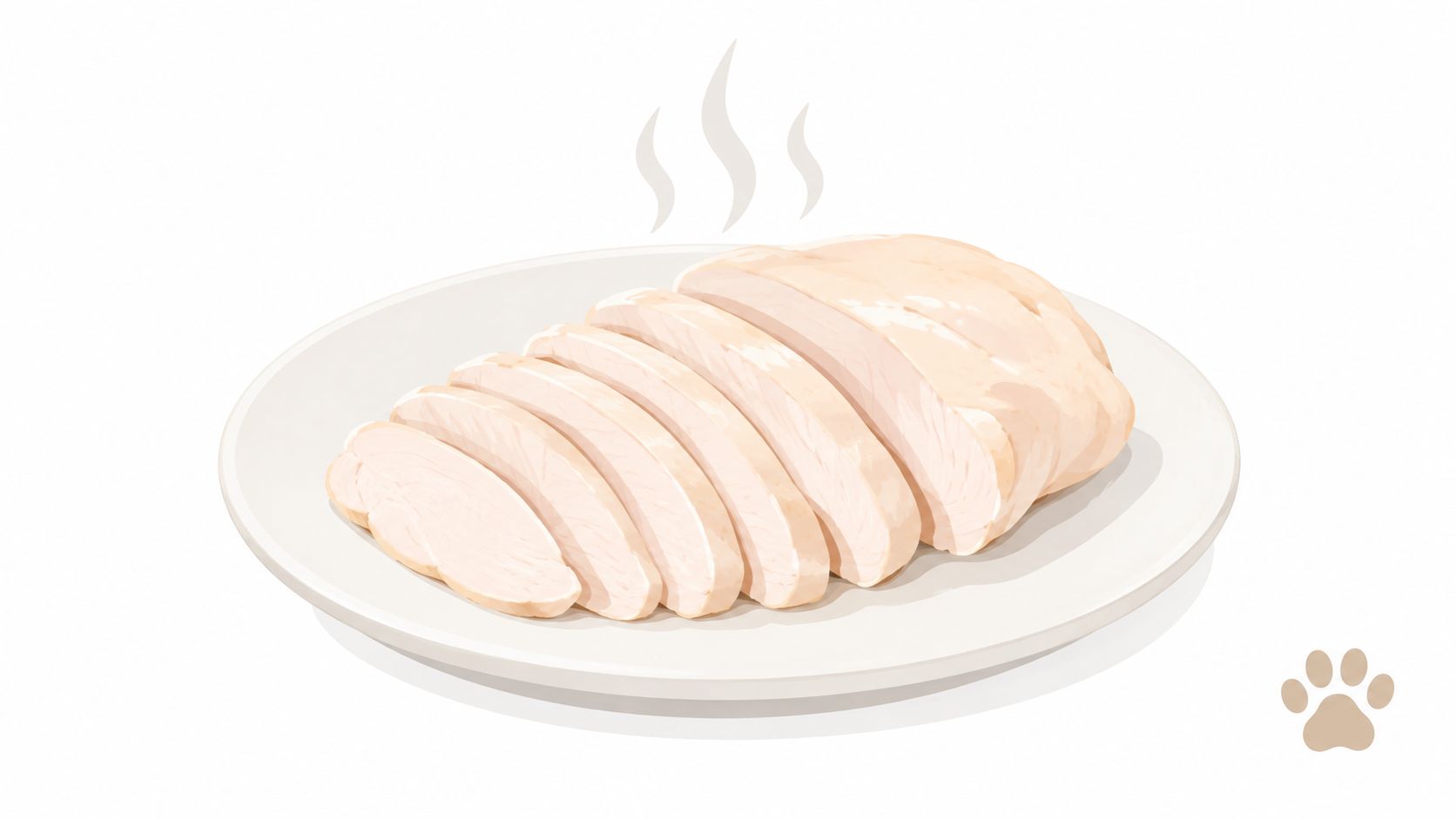
A dog that suddenly refuses its usual food may accept skinless, boneless chicken when the stomach is unsettled. Boiled or gently cooked chicken breast is a mild, lean protein that is easy to portion and useful in a temporary bland meal. Its value comes from simplicity, not nutritional completeness.
Cook it in plain water with no salt, butter, oil, pepper, stock cubes, onion, or garlic. Remove the skin, bones, and visible fat. Shred or cut the meat into pieces suited to the dog's size, then cool it fully before serving. Store leftovers safely in the refrigerator, and discard them if their smell or texture changes.
Use chicken as a short-term bridge while you assess tolerance
Begin with a small serving. You can offer the chicken alone briefly or combine it with a plain carbohydrate your veterinarian has approved. Introduce changes one at a time, then watch stool quality, appetite, vomiting, and signs of itching. If symptoms worsen or vomiting returns, stop the chicken, record the response, and contact your veterinarian if the problem continues.
Chicken may be unsuitable for a dog with a chicken allergy or a history of reacting to that protein. Repeated digestive or skin symptoms call for veterinary guidance and a deliberate diet plan, rather than continual recipe changes.
A chicken-and-rice meal can provide short-term digestive support, but it does not supply the balanced vitamins, minerals, essential fatty acids, and other nutrients needed for long-term feeding. Even wholesome ingredients can produce an incomplete diet. Keep the preparation consistent while you assess tolerance, and avoid introducing pumpkin, yogurt, supplements, and another protein on the same day. That approach makes each reaction easier to identify.
Lean animal proteins are generally well absorbed, which is why they appear in short-term bland meals. That does not mean every dog will tolerate chicken, or that a homemade chicken meal can replace a complete diet or veterinary treatment.
3. Pumpkin Puree
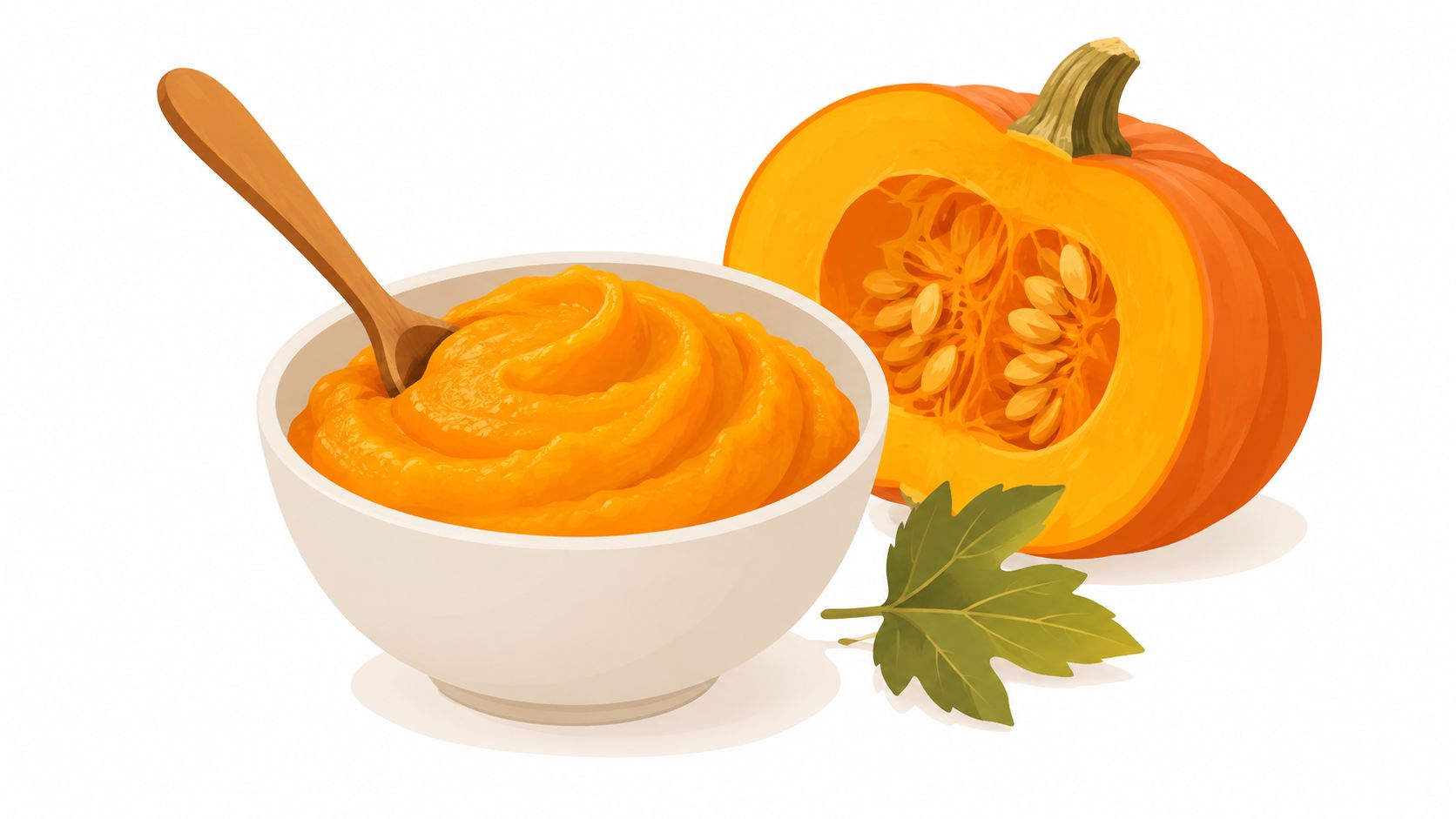
Plain pumpkin puree plays a different role from chicken. It contributes soluble fiber and moisture, so it may help normalize stool in some dogs with mild diarrhea or constipation. It's not a cure for either problem, and too much fiber can produce gas, loose stool, or refusal to eat.
Buy a product labeled 100% pumpkin puree. Don't use pumpkin pie filling, which can contain sugar, spices, and ingredients unsuitable for dogs. Start with a small spoonful mixed thoroughly into a familiar meal. A dog that has never eaten pumpkin should not receive a large serving during an active digestive episode.
Pumpkin is most useful when the dog is otherwise bright, hydrated, and able to keep food down. It isn't a substitute for fluids, diagnostic testing, or treatment when symptoms are intense. A dog straining to defecate may have an obstruction or another condition that fiber won't resolve.
Match fiber to the dog's response
Fiber advice needs nuance. A very soft, bland food may be easier during a short-lived upset, but dogs with recurring bloating, cramping, or inconsistent stool may need a more individualized plan. Modern digestive guidance increasingly distinguishes between general blandness and specific fermentable carbohydrate triggers. A recent review explains that low-FODMAP approaches can reduce IBS symptoms for some people, while emphasizing staged reintroduction and personalization rather than lifelong blanket restriction. You can explore the topic further through this review of personalized low-FODMAP strategies.
Serve pumpkin as one variable, monitor the response, and keep fresh water available. The best sources of fiber for dogs can provide additional context, but a recurring stool problem still warrants veterinary assessment.
4. Sweet Potato
A dog that keeps food down but passes soft stool may tolerate plain cooked sweet potato as a gentle carbohydrate. It provides more texture and fiber than a liquid or refined starch. Steaming or baking softens its structure, while mashing makes it easier to combine with lean protein. It can support a short-term bland meal, but it is not a complete diet and should not become an unlimited filler.
Peel it after cooking if vegetable skins seem difficult to tolerate, and serve it plain. Leave out butter, oil, salt, sugar, cinnamon, and seasoning blends. Begin with a few small pieces mixed into a familiar meal rather than replacing the meal with a large serving.
Soft texture helps, but portion size and fat content still matter more than a food's health halo.
Introduce sweet potato across several meals, especially when loose stool is already present. Monitor for gas, softer feces, abdominal discomfort, or renewed vomiting. Some dogs handle white rice or another plain starch better, while others tolerate a modest portion of cooked root vegetable. The practical choice is the option the individual dog can digest while still allowing adequate nutrition.
Keep the carbohydrate in proportion
Sweet potato should remain one component of a temporary meal, not the main ingredient in a continuing home-cooked diet. Pair it with an appropriate protein, and consult a veterinary nutritionist if home cooking will continue. Cooking and mashing break down the starch structure, which can make plain cooked root vegetables easier to tolerate than raw ones. Individual intolerance still matters.
Use sweet potato as one fiber variable at a time. This guide to fiber sources for dogs offers additional preparation ideas, but your dog's stool and comfort should guide adjustments. Refrigerate or freeze cooked portions for controlled serving sizes.
Stop the food and contact a veterinarian if vomiting persists, the dog cannot keep water down, blood appears in the stool, or symptoms recur. A sensitive-stomach food can provide temporary support, but it cannot diagnose obstruction, pancreatitis, infection, or another underlying condition.

5. Plain Low-Fat Yogurt With Live Cultures
Yogurt belongs in the fermented-food category, but it isn't automatically gentle. Plain, unsweetened yogurt with live cultures may suit a dog that tolerates dairy, while lactose-sensitive dogs can develop gas, bloating, diarrhea, or abdominal discomfort after eating it.
Read the label carefully. Choose plain yogurt without added sugar, artificial sweeteners, fruit syrup, or xylitol, which is dangerous to dogs. Low-fat Greek yogurt can offer a thicker texture and useful protein, but lower fat doesn't remove the lactose issue. Kefir is another fermented dairy option, though it should be introduced with the same caution.
Start with a very small amount mixed into food. Don't add yogurt while the dog is actively vomiting or unable to keep meals down. Observe the dog's stool and comfort after introduction, and stop if symptoms worsen. A food containing live cultures may support a healthy gut environment, but it shouldn't be presented as a treatment for infection, inflammatory disease, or chronic diarrhea.
Fermentation doesn't guarantee tolerance
Some dogs handle yogurt better than milk, while others react to all dairy. That difference matters more than the food's reputation. If your dog has recurring digestive symptoms, use a food diary and discuss whether dairy, fermentable carbohydrates, fat, or another trigger deserves evaluation. You can also review practical considerations in this guide to probiotics for dogs with sensitive stomachs.
For a simple serving idea, mix a small amount of plain yogurt with a food your dog already tolerates, not several new ingredients at once. These goat yogurt tips may offer preparation inspiration, but they don't replace a veterinarian's advice about lactose sensitivity or chronic gastrointestinal disease. Yogurt is a food addition, not a complete diet and not a reason to delay care.

6. Plain Cooked Turkey
Turkey offers a lean protein alternative when chicken isn't tolerated or you need a different protein for a carefully managed trial. Use plain turkey breast, remove the skin and visible fat, and cook it thoroughly without salt, gravy, seasoning, onions, or garlic. Ground turkey can work, but check the fat content because darker meat and processed preparations may be considerably richer.
This option is especially practical when a dog has eaten chicken frequently and you're working with a veterinarian on a novel-protein approach. It doesn't prove that turkey will be tolerated, however. A dog can react to any protein, and changing proteins repeatedly can make the diagnostic picture harder to interpret.
Make the switch deliberately
Introduce turkey in a small portion alongside the dog's familiar food if the goal is a gentle transition. If the dog is undergoing a structured elimination diet, follow the veterinary plan exactly instead of adding pumpkin, yogurt, broth, or treats that could compromise the trial. Keep a record of appetite, stool consistency, vomiting, itching, and other changes.
Turkey pairs with plain rice, cooked potato, or a modest amount of pumpkin, but adding several foods at once defeats the purpose of careful observation. It also doesn't create a balanced long-term meal by itself. Home-cooked diets require appropriate levels of calcium, phosphorus, vitamins, trace minerals, and essential fatty acids, so use turkey as an ingredient within a professionally designed recipe when long-term feeding is intended.
For a short-lived upset, plain turkey may be a practical temporary protein. For recurrent diarrhea, weight loss, pain, or poor appetite, the important next step is diagnosis, not a more elaborate turkey recipe.
7. Bone Meal and Eggshell Powder for Calcium
Calcium supplementation has a specific job. It helps address the mineral imbalance that can occur when owners feed home-cooked meat-and-vegetable meals without a formulated recipe. Chicken, turkey, rice, pumpkin, and sweet potato may all be digestible choices, yet they don't automatically provide a complete nutritional profile.
Bone meal and finely prepared eggshell powder are sometimes used as calcium sources, but dosing is not a safe guessing exercise. The correct amount depends on the recipe, the dog, the calcium concentration of the product, and the balance between calcium and phosphorus. A veterinary nutritionist should formulate the diet and specify the supplement.
Measure, don't estimate
A kitchen improvisation can create too little calcium or an excessive mineral load. Use a reputable pet-nutrition source, follow the formulation precisely, and never give cooked bones as a substitute. Bones can splinter, while unbalanced mineral intake can create problems that won't be obvious immediately.
Calcium is a nutrition-formulation issue, not a digestive “topper” to sprinkle casually.
Bone meal and eggshell powder are not interchangeable with a complete supplement, and neither makes a home-cooked diet complete on its own. A product such as DA-1™ Daily All-in-One - Skin/Coat, Joints, Gut Health & More may be discussed with a veterinarian as part of a broader routine, but its use shouldn't replace a recipe-specific mineral plan. The manufacturer describes it as a human-grade powder intended to support multiple systems, while its product information also states that its claims aren't evaluated by the FDA and that it isn't intended to diagnose, treat, cure, or prevent disease.
Seek professional guidance before adding calcium to meals for puppies, pregnant or nursing dogs, dogs with kidney disease, or dogs already eating a complete commercial diet. More isn't safer.
8. Gentle Digestive Herbs and Botanicals
Slippery elm, marshmallow root, and ginger are targeted botanicals rather than everyday meal foundations. Slippery elm and marshmallow root contain mucilage, which may give them a soothing texture when prepared properly. Ginger is often selected for its traditional digestive role, but it can still irritate some dogs, especially when given in a concentrated form or on an empty stomach.
Product quality and dosing matter. Use food-grade preparations from reputable suppliers, avoid human products with unsafe additives, and ask your veterinarian before introducing any herb. A dog taking medication may need special precautions. For example, slippery elm can interfere with medication absorption, so professional advice is important before combining it with prescriptions.
Introduce one botanical at a time
Mix a low amount into wet food or cooled broth so the dog accepts it more easily. Give ginger with food, and monitor appetite, stool, vomiting, and signs of discomfort during the first several days. Stop if the dog worsens. Don't stack slippery elm, marshmallow root, ginger, probiotics, and multiple supplements together while trying to identify a cause.
Botanicals shouldn't delay veterinary care for blood in stool, severe pain, repeated vomiting, dehydration, suspected poisoning, or a possible obstruction. They also aren't a replacement for a complete diet. Their role is narrower: a carefully considered adjunct after the underlying problem and medication risks have been reviewed.
If digestive sensitivity persists, the right approach may involve testing, a therapeutic diet, or a structured elimination and reintroduction plan rather than an expanding herb cabinet. “Gentle” is a tolerance claim that must be earned by the individual dog's response, not assumed from a plant's traditional use.
Top 8 Gentle Foods, Digestibility Comparison
| Item | 🔄 Implementation Complexity | ⚡ Resource / Preparation | 📊 Expected Outcomes | 💡 Ideal Use Cases | ⭐ Key Advantages |
|---|---|---|---|---|---|
| Bone Broth | 🔄 Moderate, long simmer or buy ready-made | ⚡ Moderate, bones, long cook time; store‑bought costlier | 📊 Supports gut lining, provides collagen & amino acids; soothing | 💡 Sensitive stomachs as a topper or supplement | ⭐ Collagen/gelatin-rich; highly palatable |
| Plain Cooked Chicken (Skinless, Boneless) | 🔄 Low, boil/poach simply | ⚡ Low, inexpensive, minimal tools | 📊 Easily absorbed lean protein; minimizes GI irritation | 💡 Bland-diet transitions; acute upset recovery | ⭐ Highly digestible, widely available |
| Pumpkin Puree | 🔄 Low, canned or homemade puree | ⚡ Low, affordable, shelf‑stable canned option | 📊 Normalizes stool; provides soluble, prebiotic fiber | 💡 Diarrhea or constipation management; mix into meals | ⭐ Fiber-rich prebiotic that regulates bowel movements |
| Sweet Potato | 🔄 Low, bake/steam and mash | ⚡ Low, requires cooking time; moderate cost | 📊 Digestible complex carbohydrate; sustained energy and fiber | 💡 Grain-free or limited-ingredient meals; rotation carb | ⭐ Nutrient-dense carb with prebiotic fiber |
| Plain Low‑Fat Yogurt (with Live Cultures) | 🔄 Low, scoop plain yogurt into food | ⚡ Low, refrigerated dairy; pick live-culture brands | 📊 Introduces probiotics; supports microbiome balance | 💡 Mild dysbiosis; adjunct to probiotic supplements | ⭐ Live cultures plus protein & calcium |
| Turkey (Plain, Cooked) | 🔄 Low, boil/roast; remove skin and bones | ⚡ Low‑Moderate, similar prep to chicken; may be less common | 📊 Novel lean protein with low fat; gentle on digestion | 💡 Protein rotation; dogs with chicken sensitivity | ⭐ Ultra-lean novel protein rich in B vitamins |
| Bone Meal & Eggshell Powder (Calcium) | 🔄 Moderate, sourcing, preparation, precise dosing required | ⚡ Low‑Moderate, inexpensive but needs quality control | 📊 Supplies bioavailable calcium/minerals; balances home diets | 💡 Home‑cooked diets lacking calcium; long‑term supplementation | ⭐ Natural, bioavailable calcium; cost‑effective (eggshells) |
| Gentle Digestive Herbs & Botanicals | 🔄 Moderate, sourcing, dosing, possible prep (teas/powders) | ⚡ Moderate, quality herbs and vet guidance advised | 📊 Mucosal soothing, anti‑inflammatory effects; may aid motility | 💡 Chronic mild GI irritation; adjunct to supplements | ⭐ Targeted mucosal protection; natural anti‑inflammatories |
Build a Safer Sensitive-Stomach Routine
The most reliable way to use these foods is to make the routine deliberately boring. Select one suitable option, prepare it plainly, start with a modest portion, and change only one variable at a time. Record what your dog ate, how much, and what happened afterward. That simple record can reveal whether the problem follows a protein, dairy, fat level, fiber source, preparation method, or unrelated illness.
Each option has a different job. Broth adds moisture and palatability. Chicken and turkey provide lean protein. Pumpkin and sweet potato contribute carbohydrates and fiber, but they can worsen symptoms if portions are too large or the dog doesn't tolerate them. Yogurt introduces fermented dairy, which may suit some dogs and upset others. Calcium additions address nutritional formulation, not ordinary stomach upset. Botanicals are targeted adjuncts and require medication and dosing checks.
None of these foods is automatically a complete long-term diet. A plain chicken-and-rice bowl may be reasonable as temporary digestive support under veterinary guidance, but prolonged restriction can become nutritionally inadequate. The same principle applies to broth, pumpkin, sweet potato, yogurt, and turkey served alone. Digestibility is only one part of good nutrition. The meal must also provide appropriate energy, protein, fat, vitamins, minerals, and essential nutrients for the dog's life stage and health status.
Home cooking deserves particular caution. A veterinary nutritionist can balance the recipe and determine whether calcium or another supplement is appropriate. If you're considering a multi-system product such as DA-1™ Daily All-in-One, discuss it with your veterinarian as part of the dog's broader diet, especially if the dog is elderly, growing, pregnant, taking medication, or managing a diagnosed condition. A supplement can simplify a routine, but it doesn't diagnose the reason for vomiting or diarrhea.
When to call the veterinarian
Contact a veterinarian promptly if your dog has:
- Repeated vomiting or diarrhea: Ongoing fluid loss can become dangerous, especially when the dog can't keep water down.
- Blood or severe pain: Blood, abdominal tenderness, bloating, or distress can signal a problem that food cannot treat.
- Marked lethargy or dehydration: Weakness, collapse, very dry gums, or markedly reduced urination need professional assessment.
- Refusal to eat: Complete food refusal is more concerning when it occurs with vomiting, pain, or weakness.
- Worsening or recurrent symptoms: Repeated episodes may point to allergy, parasites, inflammatory disease, obstruction, or another underlying cause.
- Higher-risk circumstances: Puppies, senior dogs, and dogs with existing medical conditions can deteriorate faster and need a lower threshold for veterinary care.
Personalization matters more than a permanent bland diet. If ordinary gentle foods don't settle the pattern, ask whether your dog needs a structured diagnostic diet, testing, or a customized plan. You can also navigate FODMAP food groups for general background, but human digestive frameworks shouldn't be transferred to dogs without veterinary supervision.
Pure Paw Labs offers human-grade dietary supplements for dogs, including a daily powdered formula intended to support gut health alongside other wellness needs. Visit Pure Paw Labs to review the product information and consider whether its approach fits your dog's diet and veterinary care plan.