


Your dog comes back from a bath or a muddy walk with damp ears pressed against the sides of the head. You lift one flap, notice a little moisture, and wonder whether you should clean it, dry it, or leave it alone. That uncertainty is common with dogs with floppy ears, because the ear shape can reduce airflow and help moisture remain inside the canal.
Ear carriage is only one part of the care picture. Coat density, wrinkles, allergies, swimming, grooming, body size, exercise, weight, and overall structure can all change what a sensible routine looks like. A spaniel that swims regularly won't have the same needs as a low-slung hound that carries heavy ears close to the ground.
The breeds below are curated examples, not a ranking of universally best dogs. Each one is considered through its likely care burden, including moisture control, grooming, exercise, and mobility management. Head shaking, strong odor, redness, discharge, pain, or persistent scratching should prompt a veterinary examination, not repeated cleaning at home.
Table of Contents
- 1. Cocker Spaniel
- 2. Basset Hound
- 3. Beagle
- 4. Cavalier King Charles Spaniel
- 5. Weimaraner
- 6. Brittany Spaniel
- 7. Bloodhound
- 8. English Cocker Spaniel
- 9. Spaniel Mixes
- 10. Springer Spaniel
- Top 10 Floppy-Eared Dog Breeds Comparison
- Build a Routine Around Your Dog's Ears
1. Cocker Spaniel
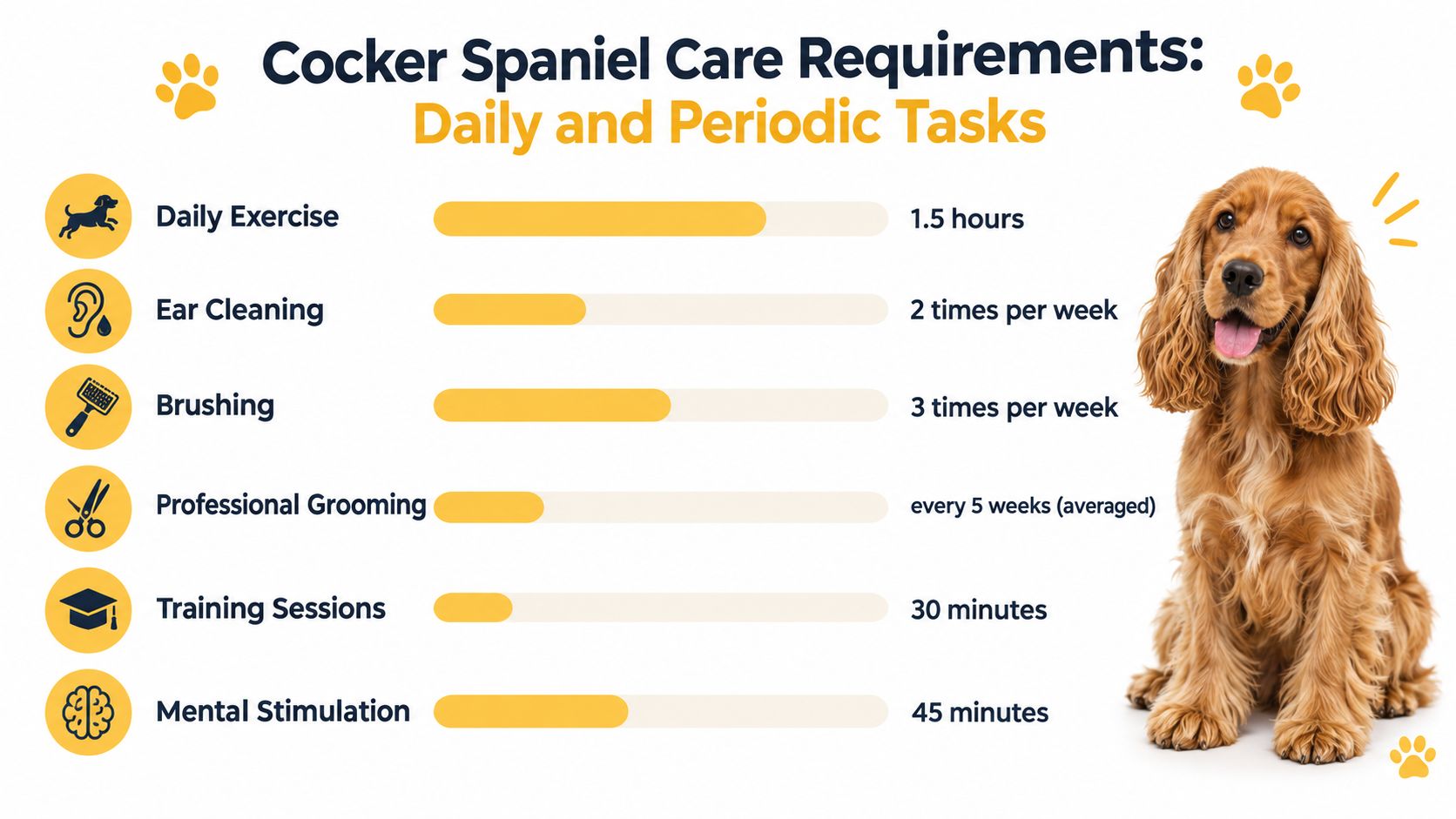
A Cocker Spaniel races through a wet field, then settles indoors with its long ear flap pressed against the side of the head. The silky feathering may still hold moisture and debris after the outer coat feels dry. That combination makes the breed appealing, active, and more demanding to maintain than its friendly expression suggests.
Its care burden centers on moisture control and grooming. Hair around the ear can mat or trap material near the canal opening, while the flap limits airflow. An owner who enjoys daily activity should also plan for regular brushing, ear checks, and careful drying after baths or supervised swimming.
A practical routine for active ears
Check the ears during grooming. Look for a new odor, redness, discharge, swelling, or sensitivity, and contact a veterinarian if any of these signs persist. Use only a veterinary-approved cleaner, following advice about how often to use it. The suitable schedule depends on wax production, allergies, swimming, and any previous ear problems.
- Brush consistently: Work through the feathering and surrounding coat to reduce matting and spot irritated skin or debris early.
- Dry after activity: Gently dry the outer ear after bathing or swimming. Keep cotton swabs and other objects out of the canal.
- Build fitness gradually: Fetch, running, and scent work can meet physical and mental needs, but demanding exercise should increase in manageable steps.
- Recognize yeast-related signs: This guide to dog yeast ear infections explains why recurring odor, itching, or discharge warrants professional evaluation rather than repeated home cleaning.
Routine care supports healthy ears, but it cannot diagnose infection. Pain, inflammation, or discharge calls for veterinary treatment.
For owners adding a dietary routine to normal veterinary care, DA-1™ Daily All-in-One - Skin/Coat, Joints, Gut Health & More is described as a once-daily human-grade powder mixed with food, with support categories covering skin and coat, joints, digestion, immunity, and stress-related wellness.
2. Basset Hound
A Basset Hound's ears can brush the ground as it follows a scent. Long, pendulous flaps hold warmth and moisture close to the ear opening, while the breed's low frame makes dust, grass, and damp surfaces more likely to reach them. Ear shape is therefore a daily-care concern, not merely a cosmetic trait.
A large UK primary-care study found that dogs with pendulous ears had 1.76 times the risk of otitis externa compared with dogs with erect ears. In the same dataset, Basset Hounds had an otitis externa prevalence of 28.81%, as reported in the RVC research summary and full study.
Those figures describe population risk, not an individual diagnosis. For a Basset, a quick routine inspection works like checking a raincoat after a wet walk. Lift the flap gently, examine only the visible area, and look for changes in odor, redness, moisture, or sensitivity. Use cleaning or drying products only with veterinary advice, especially after swimming or in humid conditions.
The rest of the body also shapes the care burden. A long back, short legs, and a tendency to gain excess weight can increase pressure on the spine and joints. Measured portions, steady low-impact exercise, and limiting repeated jumping help protect comfortable movement. Ramps or steps may reduce the need to jump from furniture, while a supportive bed gives a heavy-bodied dog a stable place to rest.
Bassets can be persistent when handling feels uncomfortable. Calm rewards and the same brief sequence each time may improve cooperation. Stop if the ear appears painful. A veterinarian can examine a swollen or sensitive canal safely and decide whether cleaning, medication, or a procedure is needed. Owners seeking background on veterinary dog ear surgery should treat surgery information as guidance for discussion, not a substitute for an examination.
3. Beagle
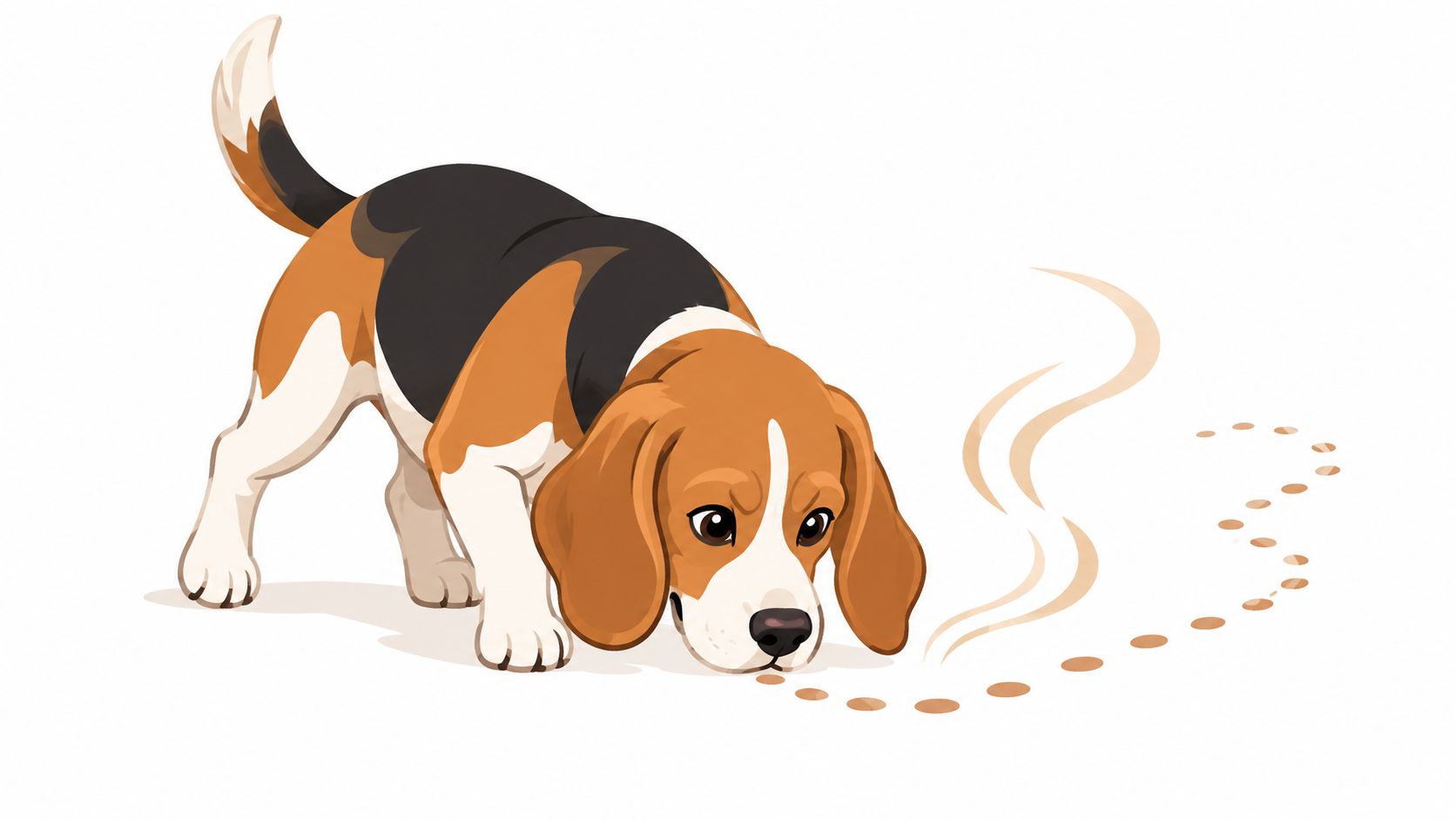
A Beagle may spend a walk with its nose close to the ground, following a scent through grass, hedges, and damp paths. Those outings combine outdoor exposure, active exploration, and long floppy ears, so brief inspections after walks can prevent small problems from going unnoticed. Moisture and debris caught beneath the ear flap deserve attention, especially after rain or swimming.
Care also extends beyond the ears. Beagles can gain excess weight when treats exceed their activity, while an under-stimulated dog may dig, vocalize, or search persistently for its own entertainment. Their routine works best when food portions, movement, and scent-based mental work support one another.
Build care into the Beagle's daily rhythm
Use a weekly check as a quick baseline. Lift the flap gently, inspect the visible skin, and compare it with your dog's usual appearance. A little wax does not automatically call for cleaning. Veterinary guidance is more appropriate for choosing a product or schedule, particularly when allergies or previous ear problems are involved.
- Measure meals: Portion food deliberately, and keep training rewards small and purposeful.
- Give the nose a job: Scent games, puzzle toys, and tracking exercises provide mental work without demanding repetitive physical exertion.
- Control moisture: Dry the outer ear after rain, bathing, or swimming, and avoid pushing anything into the canal.
- Make handling predictable: Offer a food reward after a brief, gentle inspection so cooperation becomes part of the routine.
- Protect comfortable movement: Regular walks and play help manage weight, while varied activity can reduce boredom without relying on constant high-impact exercise.
A UK primary-care study recorded otitis externa in 14.72% of Beagles. That breed-level finding supports regular attention, but it does not predict an individual dog's outcome.
Watch behavior as well as appearance. If your Beagle suddenly holds one ear differently, scratches repeatedly, develops odor or discharge, or resists touch, discomfort may be involved rather than stubbornness. This explanation of ears pinned back offers context for reading that body language. Arrange veterinary care when symptoms persist or pain is suspected, since routine drying and inspection cannot replace an examination or treatment.
4. Cavalier King Charles Spaniel
A Cavalier King Charles Spaniel may look easy to care for during a quiet morning at home. Its small body and gentle temperament can make brushing and handling pleasant, while its long, feathered ears create daily work that is easy to overlook. The care burden centers on moisture control, coat maintenance, measured exercise, and ongoing health checks.
Use brushing time to examine the ears. Lift the feathering, look over the visible flap and surrounding skin, and notice whether the area feels or smells different from usual. Fur can hold moisture and hide mats, so keeping it separated helps with prevention. A normal-looking outer flap cannot confirm that the deeper canal is healthy. Odor, discharge, repeated scratching, head shaking, or pain requires veterinary assessment rather than more cleaning at home.
Cardiac health also belongs in the routine. Discuss appropriate screening and examination schedules with your veterinarian. Coughing, unusual tiredness, reduced stamina, or breathing difficulty should not be dismissed as age or a calm personality.
The rest of the schedule can stay simple:
- Brush the feathering: Remove tangles and check for irritated skin or dampness around the ear.
- Keep exercise measured: Short walks, gentle play, and training offer enrichment while allowing rest when fatigue appears.
- Monitor body condition: Maintaining a healthy weight reduces unnecessary strain on small joints and supports comfortable movement.
- Practise calm handling: Brief, predictable examinations make ear checks less stressful over time.
Nutritional support may suit an individual wellness plan, but supplements cannot replace cardiac evaluation, prescribed treatment, or veterinary care for an ear problem. Consistent owner routines prevent some issues, while persistent symptoms need professional diagnosis.
5. Weimaraner
A Weimaraner returning from a swim or muddy trail may look clean while moisture remains beneath its floppy ears. Its short coat keeps brushing simple, but the large, athletic body creates a different care burden from that of a small companion spaniel. Lift and dry the outer ear after bathing, swimming, or wet outdoor work, then check for odor, redness, discharge, or repeated head shaking. These signs need veterinary assessment, not increasingly frequent home cleaning.
Daily care should also manage energy and body structure. A Weimaraner needs substantial physical activity, yet exercise alone rarely satisfies an intelligent, high-drive dog. Running, retrieving, scent games, training, and structured problem-solving provide both movement and mental direction. Without suitable outlets, restlessness, vocal behavior, destructive chewing, or excessive dependence may follow.
Protect digestion while building fitness
Large, deep-bodied dogs need careful timing around meals and vigorous activity. If your veterinarian recommends smaller, frequent meals, follow that plan and avoid strenuous exercise immediately before or after feeding. Abdominal discomfort, retching, weakness, or sudden distress requires urgent veterinary advice.
- Use structured exercise: Increase running, retrieving, and field work at a suitable pace.
- Add mental work: Puzzle toys and obedience practice make the dog think as well as move.
- Inspect after outings: Check ears, paws, and skin after trails, fields, or water exposure.
- Keep boundaries consistent: Predictable routines help an intense, sensitive dog settle.
The short coat reduces grooming time, not responsibility. Regular checks help prevent moisture and debris from lingering, while persistent ear symptoms require professional diagnosis.

6. Brittany Spaniel
After a Brittany races through wet grass or dense brush, its ears are only one part of the cleanup. Check the paws, coat, skin, and small scrapes too. This breed is athletic, eager, and often most settled when given a purposeful task. Moderately long ears can hold moisture and plant debris, while the manageable coat still needs inspection after outdoor work.
Care should match the dog's weekly workload. A quiet week at home may call for a routine look, whereas a return from wet terrain deserves closer attention. Dampness left around the ear opening can create a poor environment for recurring irritation, so prevention depends on finding and drying problems early.
Let the activity schedule guide ear care
Use weekly ear checks as a baseline, then inspect again after wet, dusty, or brush-filled outings. Dry the outer ear gently. If the dog repeatedly develops symptoms, ask a veterinarian for a suitable cleaning plan rather than treating the canal with household products.
Training can serve as both exercise and direction. Retrieving, agility, obedience, and scent work give a high-energy Brittany clear ways to use its body and instincts. Increase demanding activity gradually, because fitness reduces avoidable strains when field time or training changes.
After hard exercise, examine the legs, paws, skin, and ears. Keep cues and boundaries consistent, since cooperation makes handling easier and helps the dog make safer choices. Routine prevention supports comfort, but it cannot replace veterinary treatment. Persistent odor, redness, discharge, scratching, or head shaking calls for professional advice.
A working dog's ears need attention after the work, not only when the dog starts showing discomfort.
7. Bloodhound
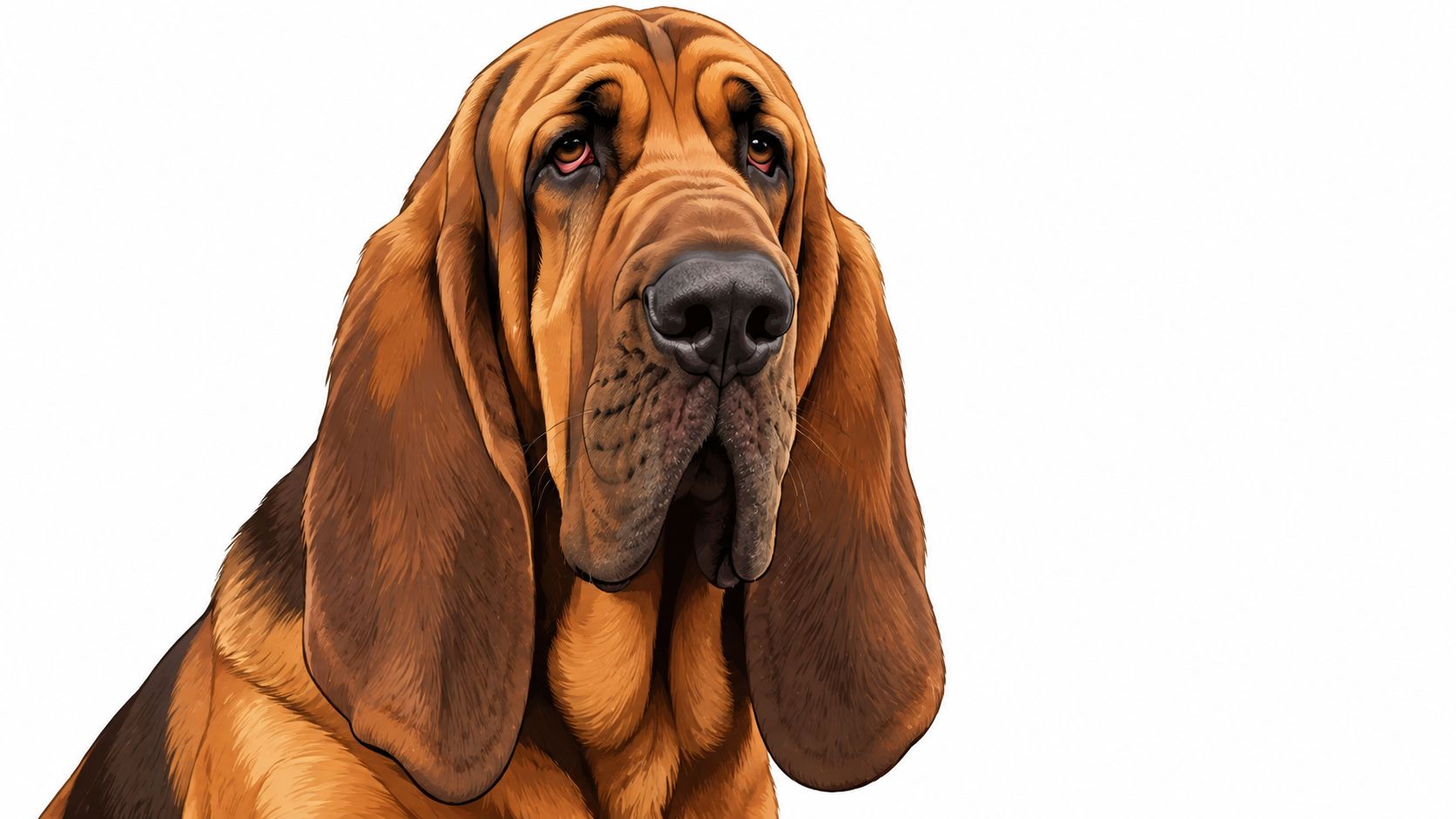
A Bloodhound can return from a scent-filled walk with damp ears, debris between facial folds, and a tired body that needs recovery. Its large frame, heavy ears, wrinkles, and intense tracking drive create separate care tasks, so floppy ears are only one part of the routine.
Start with moisture control. During regular grooming, lift each ear gently and check the visible skin for dampness, odor, redness, or buildup. Dry the outer ear after bathing or water exposure, but keep household substances and unapproved tools out of an irritated canal. If the ear is difficult to examine or problems keep returning, a veterinarian can recommend cleaning or treatment. Routine prevention helps reduce risk, while veterinary care addresses disease.
The wrinkles deserve their own check. Ear inspection will not reveal irritation hidden in skin folds, where moisture can remain against the face. Look for odor, redness, wetness, or discharge, and arrange professional advice when those changes persist.
Match exercise and body care to the Bloodhound
A scent trail can pull a Bloodhound beyond a planned route, even when the dog is friendly and well socialized. Use a leash outdoors and choose secure areas for off-leash movement. Daily activity supports strength, but steady pacing protects joints better than sudden, demanding exercise.
Feed with the dog's large body in mind, avoid strenuous activity around meals, and watch for sudden abdominal discomfort or changes in mobility. A comfortable orthopedic bed can make rest easier. Discuss hip and joint assessment with a veterinarian, especially if gait, stair use, or willingness to move changes.
A wellness supplement may accompany this routine, but it cannot diagnose or treat an ear, skin, digestive, or joint condition.
8. English Cocker Spaniel
English Cocker Spaniels are athletic field dogs with long feathering and ears that deserve more than a quick glance during grooming. A dog returning from a swim or retrieving session may carry water, grass, or dirt around the ear. Drying and inspection should therefore be part of the owner's routine, much like checking a child's raincoat after outdoor play.
Their energy is an advantage for active households. Running, retrieving, training, and swimming can support fitness and provide mental work, but exercise must fit the individual dog's movement and condition. Ask a veterinarian about appropriate hip evaluation and increase activity gradually, especially if the dog is young, overweight, or showing stiffness.
Keep sporting care practical
- Inspect after water work: Dry the outer ear and check for trapped grass, dirt, unusual moisture, odor, redness, or discharge.
- Maintain the feathering: Brush often enough to prevent tangles and mats around the ears, legs, and body. Professional grooming can make the skin easier to see.
- Use a measured exercise plan: Obedience, retrieving, and dog sports can work the body and mind without relying on sudden, demanding activity.
- Respond to recurrence: Repeated ear flare-ups may point to allergies or another contributing problem. A veterinarian can examine the canal and recommend treatment when disease is present.
Routine prevention and veterinary care serve different purposes. Drying, brushing, and regular observation help reduce avoidable moisture and matting. They do not replace diagnosis or prescribed treatment.
A general wellness supplement may fit alongside this routine, but it cannot treat an ear, skin, digestive, or joint condition. Owners should discuss supplements with their veterinarian, particularly when a dog has diagnosed disease or takes medication. The DA-1™ Daily All-in-One - Skin/Coat, Joints, Gut Health & More product description presents it as a once-daily human-grade powder added to food.
English Cockers can be affectionate family companions and capable sporting partners. That versatility carries a real care schedule: moisture control after activity, coat maintenance, movement monitoring, and consistent ear checks. Families seeking minimal maintenance should weigh that workload before choosing the breed.
9. Spaniel Mixes
Cockapoos, Labradoodles, Goldendoodles with spaniel heritage, and similar mixes can differ greatly in ear length, coat texture, body size, and energy. A dense or curly coat may trap moisture and form mats around the ears, while a spaniel-shaped flap can limit airflow. Mixed ancestry does not automatically mean simpler ear care.
Daily workload depends on the individual dog. A small, calm mix may need less exercise than an athletic one, but either dog can require regular brushing, ear checks, and careful weight management. A heavier build can increase joint strain, while high-energy dogs need planned activity rather than occasional bursts.
Ask better questions before choosing
- Review health information: Request available parent health records and genetic testing information from a breeder or rescue source.
- Inspect the coat: Ask how easily it mats and how often professional grooming may be needed.
- Plan ear checks: Establish a weekly inspection routine, then adjust it with veterinary guidance.
- Match exercise to the dog: Choose activity that suits the dog's size, structure, conditioning, and temperament.
- Track individual triggers: Note whether swimming, seasonal allergies, grooming, or diet changes coincide with irritation.
A UK primary-care study reported 12.97% otitis externa prevalence in Cockapoos and 17.71% in Labradoodles, so popular mixed breeds should not automatically be treated as low risk. These breed-group findings do not predict an individual dog's outcome.
Routine prevention means gentle handling, drying after water exposure, brushing, and observation. It does not mean repeated cleaning or home treatment for disease. Odor, redness, discharge, pain, or persistent scratching calls for veterinary examination rather than repeated product changes. A veterinarian can determine whether infection, allergy, anatomy, or another problem requires treatment.
10. Springer Spaniel
English Springer Spaniels are larger and highly athletic compared with many companion spaniels. Their long ears, feathered coats, and enthusiasm for water and field work create a care pattern built around prevention. After running through wet grass or swimming, the owner should inspect the ears and dry them rather than assuming the flap will air out on its own.
Springers also need meaningful daily exercise and mental work. Running, retrieving, agility, obedience, and field activities can keep them balanced, but the owner should build fitness progressively and monitor the joints throughout the dog's life.
Give a working breed a working routine
Clean ears only with a veterinarian-approved product and schedule. Some Springers need professional cleaning, particularly when recurrent infections, heavy debris, or pain make home handling unsuitable. Regular grooming can help manage feathering and make changes in the skin or ear area easier to spot.
- Plan vigorous activity: Offer exercise that fits the dog's conditioning and health status.
- Use purposeful training: Field skills, obedience, and agility help direct concentration.
- Manage moisture: Dry the ears after baths and swimming, and ask about suitable moisture-control products.
- Monitor movement: Discuss hip and elbow screening with your veterinarian and report changes early.
- Act on recurrence: Repeated infections need a search for contributing factors, not endless preventive cleaning.
A Springer can be an affectionate, trainable family dog, but its energy and grooming requirements are substantial. Owners who enjoy outdoor routines may find that care fits naturally into the day. Others may underestimate the commitment if they focus only on the breed's friendly expression.
Top 10 Floppy-Eared Dog Breeds Comparison
| Breed | Care Complexity 🔄 | Resource Requirements ⚡ | Expected Outcomes 📊 | Key Advantages ⭐ | Ideal Use Cases 💡 | Quick Tips 💡 |
|---|---|---|---|---|---|---|
| Cocker Spaniel | Moderate–high (regular grooming, ear care, exercise) | Time-intensive: 1–2 hr/day exercise; pro grooming q4–6w | Affectionate, active family companion; improved coat/ears with routine care | Trainable, social, adaptable | Active families committed to grooming & activity | Clean ears weekly; brush 3×/wk; consider joint/coat supplement |
| Basset Hound | High (chronic ear & joint management; weight control) | Moderate daily exercise (30–45 min); potentially high medical costs | Calm, low-energy companion; requires ongoing joint support to maintain mobility | Gentle, patient, family-friendly | Owners proactive about joint/ear health and weight management | Dry ears 2×/wk; use ramps; monitor weight closely |
| Beagle | Moderate (exercise, ear care, weight management) | 45–60 min/day exercise; measured feeding | Energetic, social pet; weight control improves long-term health | Friendly, compact, scent-driven | Active families managing weight and stimulation needs | Strict portion control; daily scent games; clean ears weekly |
| Cavalier King Charles Spaniel | High (cardiac monitoring + grooming & ear care) | Moderate exercise; frequent vet cardiac screening; regular grooming | Gentle companion; early cardiac care improves outcomes | Exceptional temperament; therapy-suitable | Seniors, therapy roles, owners prioritizing cardiac screening | Schedule cardiac checks early; clean ears weekly; avoid overexertion |
| Weimaraner | High (intense exercise, behavioral & joint management) | 1.5–2+ hrs/day vigorous activity; experienced handler | High-performance sporting partner; joint & stress support needed | Athletic, loyal, highly trainable for experienced owners | Runners, hunters, experienced active owners | Feed small meals to reduce bloat risk; daily vigorous exercise |
| Brittany Spaniel | Moderate (vigorous exercise; ear checks) | 1–2 hrs/day exercise; moderate grooming | Versatile, energetic sporting dog with generally good health | Healthy, trainable, field-capable | Hunters, active families, dog-sport enthusiasts | Weekly ear cleaning; engage in field sports for stimulation |
| Bloodhound | Very high (intensive ear, joint, bloat management) | Substantial space & vet costs; frequent professional ear care | Outstanding tracker; requires proactive health management | Unmatched scenting ability; gentle temperament | Search & rescue, experienced large-breed owners | Clean ears 2×/wk; early hip screening; feed small, frequent meals |
| English Cocker Spaniel | High (exercise, grooming, ear care) | 1–2 hrs/day exercise; pro grooming q4–6w | Athletic, affectionate hunting companion with consistent care | Versatile in sports; strong working drive | Active families, field sports enthusiasts | Clean ears weekly; maintain grooming schedule; hip screening advised |
| Spaniel Mixes (Cockapoo, Labradoodle, Goldendoodle) | Variable (depends on mix; grooming & ear care common) | Size/needs vary widely (15–60+ lbs); grooming q4–8w possible | Friendly, intelligent companions; health/outcomes vary by genetics | Hybrid vigor; range of sizes/temperaments | Families seeking doodle-like companions with varied needs | Request parental health tests; establish ear/grooming routine |
| English Springer Spaniel | High (vigorous exercise, ear/grooming, joint care) | 1.5–2 hrs/day exercise; pro grooming q4–8w | Energetic, trainable sporting dog; responsive with proper outlets | Strong work drive; versatile in field & sports | Active, experienced owners and hunters | Clean ears 2×/wk; engage in agility/field work; hip/elbow screening |
Build a Routine Around Your Dog's Ears
Choosing among dogs with floppy ears shouldn't come down to appearance alone. Ear carriage is a heritable feature shaped by domestication and selective breeding. A widely cited genetic study analyzed 915 dogs from 80 AKC-recognized breeds, along with 83 wild canids and 10 Egyptian shelter dogs, and identified a region on canine chromosome CFA10 likely associated with floppy versus erect ear type (genetic background on floppy ears). That finding supports a useful starting point: ear shape is part of the dog's biology, not a random cosmetic detail.
It also helps explain why prevention matters. Pendulous ears can reduce ventilation and retain moisture, creating a favorable environment for microbes. In the same large UK dataset, V-shaped drop ears carried 1.84 times the risk of otitis externa compared with erect ear carriage (RVC findings). Yet shape isn't destiny. The AVMA notes that most dogs with hanging ears never develop infections, and breed-level factors can matter more than ear carriage by itself.
Build care around your own dog's history. Inspect the ears during weekly grooming, especially after active outdoor days. Dry the outer ear after bathing or swimming, and follow veterinary instructions for cleaning products and frequency. Over-cleaning can irritate sensitive tissue, while ignoring repeated odor or discharge can delay treatment.
Keep a simple record of symptoms. Note when head shaking begins, whether one or both ears are affected, whether swimming or grooming preceded the change, and how the dog responds to touch. That history can help your veterinarian look beyond ear shape toward allergies, moisture exposure, coat management, or other individual contributors.
Routine prevention and veterinary treatment aren't interchangeable. Prevention includes observation, appropriate drying, grooming, healthy body condition, and a sensible activity plan. Treatment may require examination, testing, prescription medication, professional cleaning, or investigation of an underlying issue. Don't use leftover medication or household products because a previous episode looked similar.
Overall wellness also supports daily care. Where skin, coat, digestive, joint, immune, or stress-related support is relevant, DA-1™ Daily All-in-One can be considered as an optional single-scoop food routine. Its product disclaimer applies: the statements have not been evaluated by the FDA, and the product isn't intended to diagnose, treat, cure, or prevent disease.
A tidy home routine helps too. Regular brushing, laundering washable bedding, and practical pet hair cleanup advice can make grooming more manageable, but household cleanliness doesn't replace ear examination. The best plan is repeatable, gentle, and suited to the dog you share your life with.
If your dog has persistent odor, redness, discharge, pain, head shaking, or scratching, contact your veterinarian before cleaning again. For optional daily nutrition support and practical supplement information for dogs, visit Pure Paw Labs and review the available care options with your dog's needs in mind.