


Your puppy races across the room, skids on the hardwood, then launches off the sofa as if gravity were optional. You may laugh, check for a limp, and move on. But beneath that soft coat, the bones are still under construction. A dog growth plate is a vulnerable area of cartilage that controls how a young dog's long bones lengthen, so daily choices about flooring, play, food, and veterinary care matter during this phase.
The reassuring part is that most puppy activity doesn't automatically cause damage. The practical goal isn't to keep a growing dog motionless. It's to reduce avoidable trauma, support balanced development, keep body condition appropriate, and recognize problems early.
Table of Contents
- Why Puppy Skeletons Need Special Protection
- Understanding the Biology of Bone Lengthening
- Closure Timelines Across Different Breed Sizes
- Common Injuries and the Salter-Harris System
- Recognizing the Subtle Signs of Orthopedic Pain
- Managing Exercise and Nutrition During Growth
- Building a Foundation for Lifelong Joint Health
Why Puppy Skeletons Need Special Protection
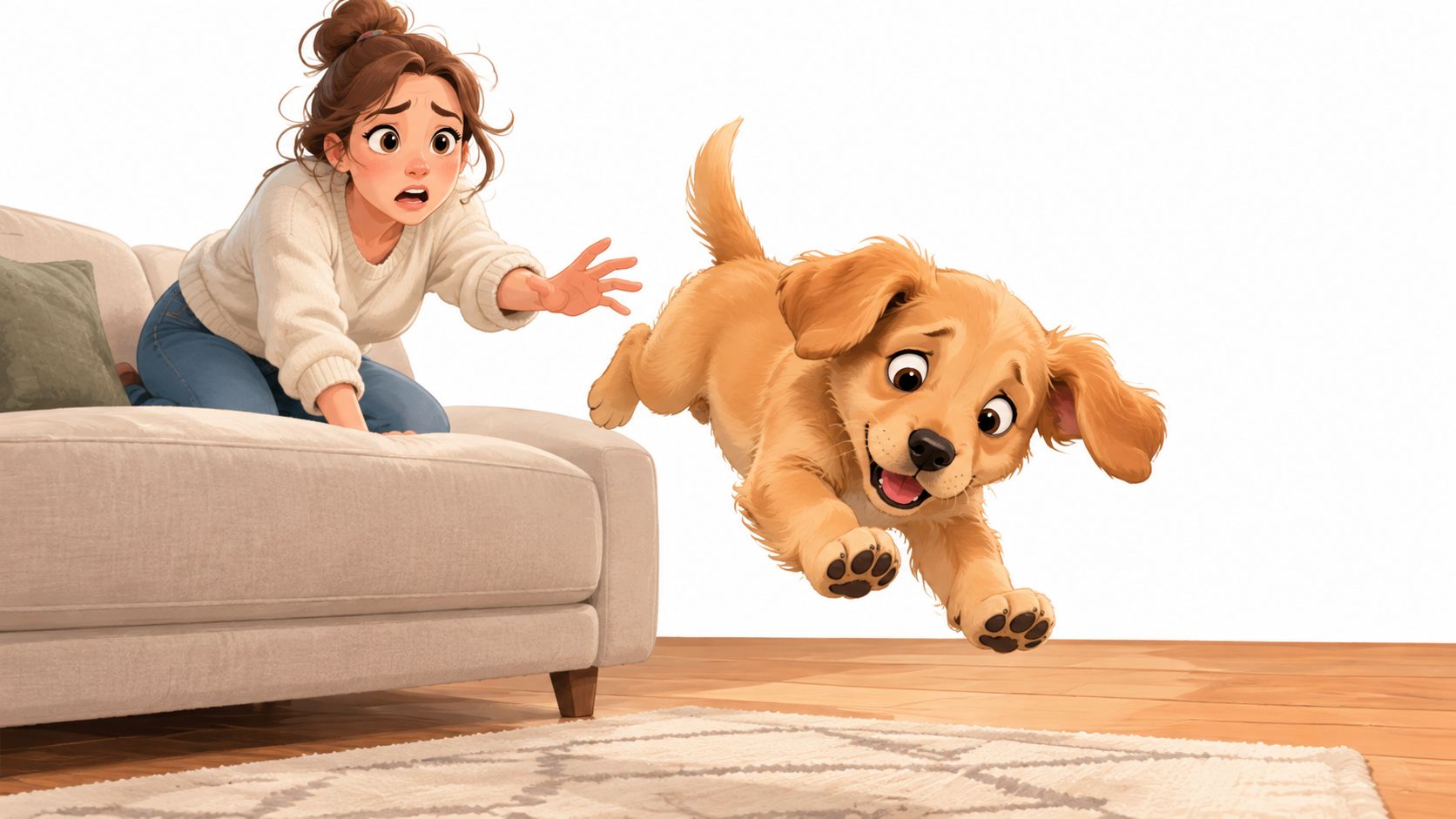
A puppy's first weeks at home often involve small hazards that feel harmless. The dog tumbles down a step, slides while turning on a polished floor, or jumps from a couch into an awkward landing. Your puppy may stand up immediately and return to play, which makes the incident easy to dismiss.
That response doesn't prove the skeleton is unharmed. Puppies can be enthusiastic even when they're uncomfortable, and an injury near a developing growth plate may affect future bone length or alignment. Early attention matters because a damaged growth plate can stop growing while the rest of the limb continues to develop.
Why puppy bones behave differently
Adult bones are largely finished with their lengthening phase. Puppy bones are active tissues that are changing shape, strengthening, and coordinating with muscles, tendons, and joints. Growth plates are softer than mature bone because they're made of cartilage. That flexibility allows lengthening, but it also makes the area susceptible to injury.
A puppy's risk isn't determined by size alone. Breed, age, the location of the plate, movement patterns, nutrition, and the type of impact all influence the outcome. A short slip may be insignificant for one dog and worth investigating in another, particularly if pain or altered movement follows.
What owners can control
You can't eliminate every fall or awkward jump. You can, however, make the home and routine more forgiving:
- Improve traction: Use runners or mats on slippery floors, especially near stairs and feeding areas.
- Reduce risky height: Block access to furniture or steep steps when your puppy is unsupervised.
- Control play partners: Large, excited dogs can accidentally knock over a small or immature puppy.
- Observe recovery: A puppy who stays lame, avoids a limb, or moves differently after an incident needs veterinary advice.
Practical rule: Don't judge an injury only by whether your puppy keeps playing. Judge it by movement over the next several hours and by any change in comfort, posture, or willingness to use the limb.
Understanding the growth process helps you make sensible decisions without becoming fearful of normal play. The aim is managed freedom, not complete restriction.
Understanding the Biology of Bone Lengthening
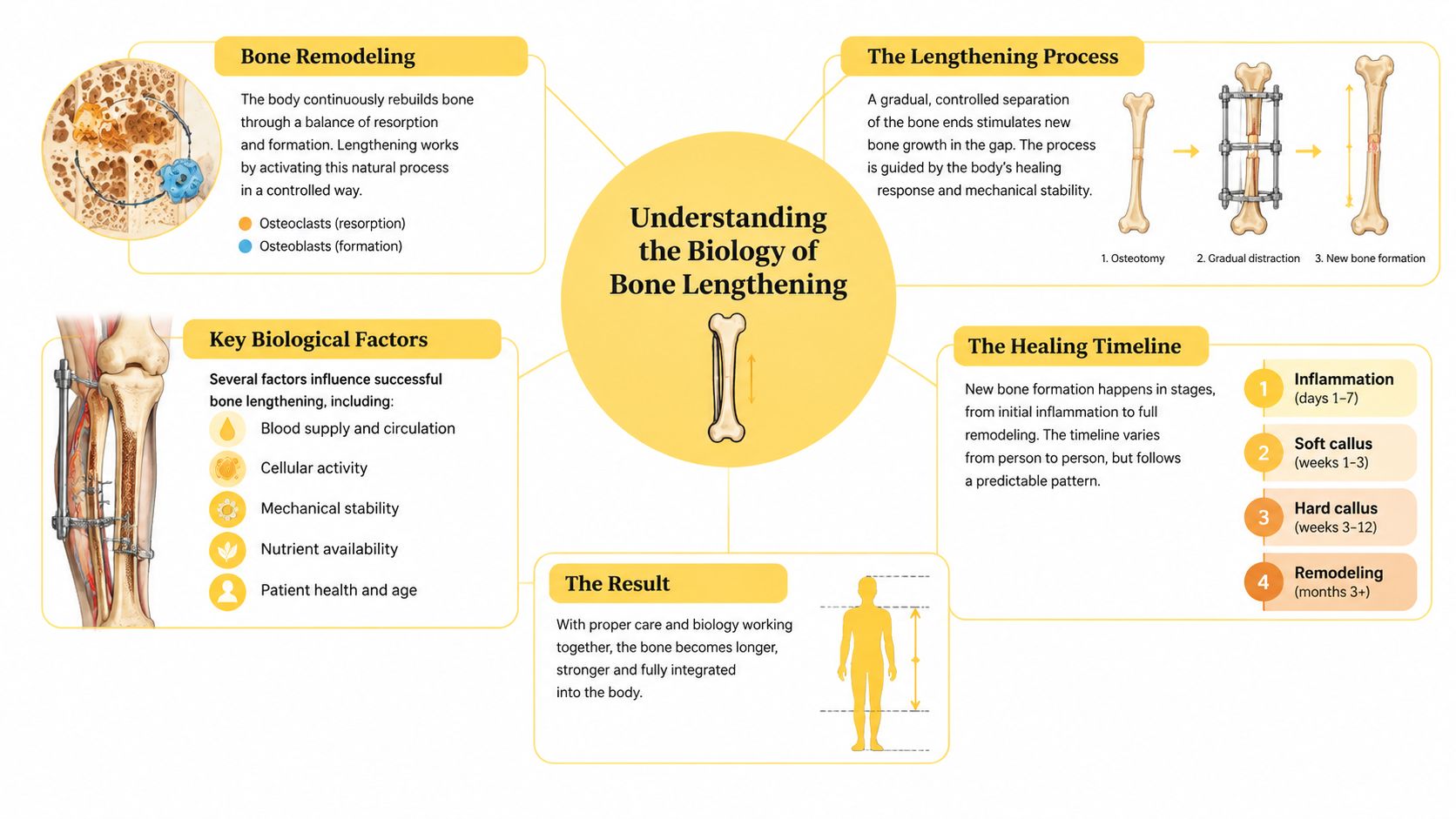
Long bones, including the femur and radius, grow longer near their ends. The active cartilage zone responsible for this process is called the physis, commonly known as the growth plate. You can learn more about the structure and location of these bones in this guide to dog leg bones.
Think of the physis as a carefully organized construction zone. Cartilage cells multiply in layers, enlarge, and become replaced by mineralized bone. New material is added on the growth side, gradually extending the bone. At the same time, the rest of the skeleton remodels in response to movement and changing mechanical demands.
The growth plate in four practical ideas
- Cartilage provides the temporary framework. The physis is flexible because it hasn't become mature bone. That flexibility allows growth, but it also means force can disrupt the organized cell layers.
- New bone replaces older cartilage. Lengthening depends on endochondral bone formation. The growth plate isn't stretching. It's producing cartilage that is progressively transformed into bone.
- Most long-bone length comes from the physis. A veterinary text estimates that growth plates contribute approximately 75% to 80% of final long-bone length, while other growth centers contribute approximately 20% to 25%. Those figures come from the veterinary discussion of premature physeal closure and limb deformity at Veterinary Key.
- Closure ends lengthening at that site. Once a plate closes, that particular area can no longer make the bone longer. Closure isn't necessarily simultaneous throughout the body, so one plate may be inactive while another remains open.
Why breed size changes the pattern
Large and small dogs don't follow identical biological schedules. Research comparing Great Danes and Miniature Poodles found breed-related differences in gene expression within growth plates, helping explain why larger breeds grow more slowly while reaching greater adult height. The important point is that skeletal maturity reflects growth-plate biology, not just a puppy's visible size.
Nutrition supports the raw materials and systems involved in growth, but it can't make an injured physis behave normally. A complete growth-appropriate diet should be the foundation. Supplements should be discussed with a veterinarian, particularly for puppies, because adding isolated nutrients without a clear reason can disturb dietary balance. For older dogs rather than growing puppies, DA-1™ Daily All-in-One - Senior Dog Support, Joints, Skin/Coat & More is described as a complete multi-system formula with 18 human-grade ingredients aimed at cells, gut, and joints.
Closure Timelines Across Different Breed Sizes
There isn't one universal age when every dog's skeleton becomes mature. Growth plates usually close between 4 and 12 months, but closure varies with breed size and the anatomical location of the plate, as described in this veterinary review of canine growth and development.
A veterinary review reports that most dogs reach approximately 90% of adult size by 9 months, while giant-breed dogs may not experience complete closure until 15 to 18 months. These figures describe broad patterns, not a reliable appointment date for every individual dog. A puppy can look nearly adult while some growth plates remain active.
Estimated skeletal maturity by breed size
| Breed Size Category | Typical Closure Window | Full Skeletal Maturity |
|---|---|---|
| Small breeds | Often within the broader 4 to 12 month closure range | Frequently reached in under a year |
| Medium breeds | Often within the broader 4 to 12 month closure range | Frequently reached in under a year |
| Large breeds | Later than many small and medium dogs | Prolonged juvenile growth phase |
| Giant breeds | Some plates may remain open until 15 to 18 months | May be delayed beyond the first year |
These categories are useful for planning, but they shouldn't replace an individual assessment. The same source notes that closure timing differs across anatomical sites. That means a dog can have some plates closed while others are still active, so “my puppy has stopped getting taller” doesn't necessarily mean every growth plate has finished.
Why the calendar can mislead
Owners often use a birthday as a safety switch. That approach is too simple. A large-breed puppy may need a longer period of controlled, low-impact activity than a small dog, while a puppy with an injury may need evaluation regardless of age.
Skeletal maturity also involves more than height. Joints, muscles, tendons, coordination, and body condition continue to influence movement after a dog appears adult-sized. Keep exercise progressive, avoid repetitive high-impact routines during active growth, and ask your veterinarian when breed, limb conformation, or previous injury creates uncertainty.
The practical takeaway is straightforward: use age and expected breed size as context, not as proof of closure. Radiographs may be appropriate when a veterinarian needs to evaluate a painful limb, suspected injury, or abnormal development.
Common Injuries and the Salter-Harris System
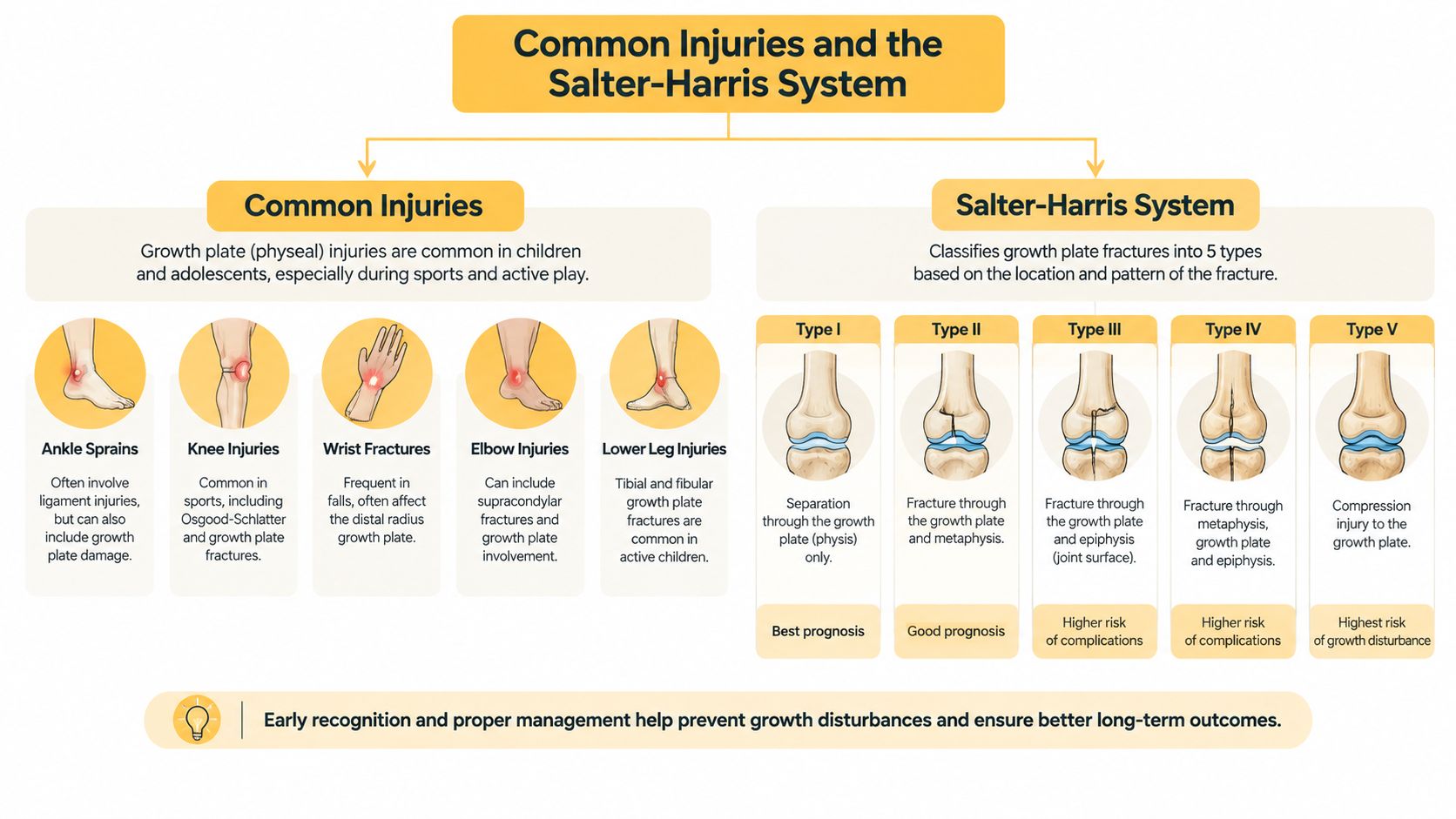
A fracture near a growth plate can be more complicated than a straightforward break through mature bone. Veterinarians use the Salter-Harris system to describe where the fracture travels in relation to the physis, the nearby end of the bone, and the shaft.
The classification helps the clinical team estimate which structures are involved. It doesn't, by itself, predict the exact outcome for an individual puppy. Location, blood supply, the amount of remaining growth, alignment, and treatment all affect what happens next.
The injury patterns in plain language
- Type I: The fracture follows the growth plate. Because it can be difficult to see on an initial image, a normal-looking radiograph doesn't always exclude it when pain and lameness are clear.
- Type II: The fracture follows the growth plate and exits through part of the bone shaft. This is a common pattern in developing bones, but its significance depends on the specific site.
- Type III: The fracture crosses the growth plate and extends into the joint surface. Joint involvement raises concern about alignment and later joint function.
- Type IV: The fracture passes through the shaft, the growth plate, and the joint end of the bone. Several structures need accurate assessment and management.
- Type V: Compression damages the growth plate without a simple visible fracture line. This pattern can be difficult to identify initially and may become clearer through later changes in growth.
Partial closure versus complete closure
A physis doesn't always stop functioning uniformly. If only one side closes early, the unaffected side may continue lengthening. That uneven growth can bend the limb, creating an angular limb deformity. If the entire plate stops growing, the bone may become relatively short compared with the opposite limb.
Premature closure is a recognized cause of limb deformity because the physis produces most long-bone length. The imbalance that occurs when one side closes early is described in this veterinary orthopedic reference.
Why treatment is time-sensitive
Puppy growth leaves little room for poorly planned intervention. Orthopedic guidance treats physeal injuries as time-sensitive because implants crossing an active growth plate can suppress remaining growth. When fixation must span the physis, the veterinary team may consider early removal where clinically appropriate, while still protecting the fracture.
Don't try to splint or manipulate a painful limb at home unless a veterinarian has shown you how. Keep the puppy confined, prevent stairs and jumping, and arrange prompt assessment after significant trauma or persistent lameness.
Recognizing the Subtle Signs of Orthopedic Pain
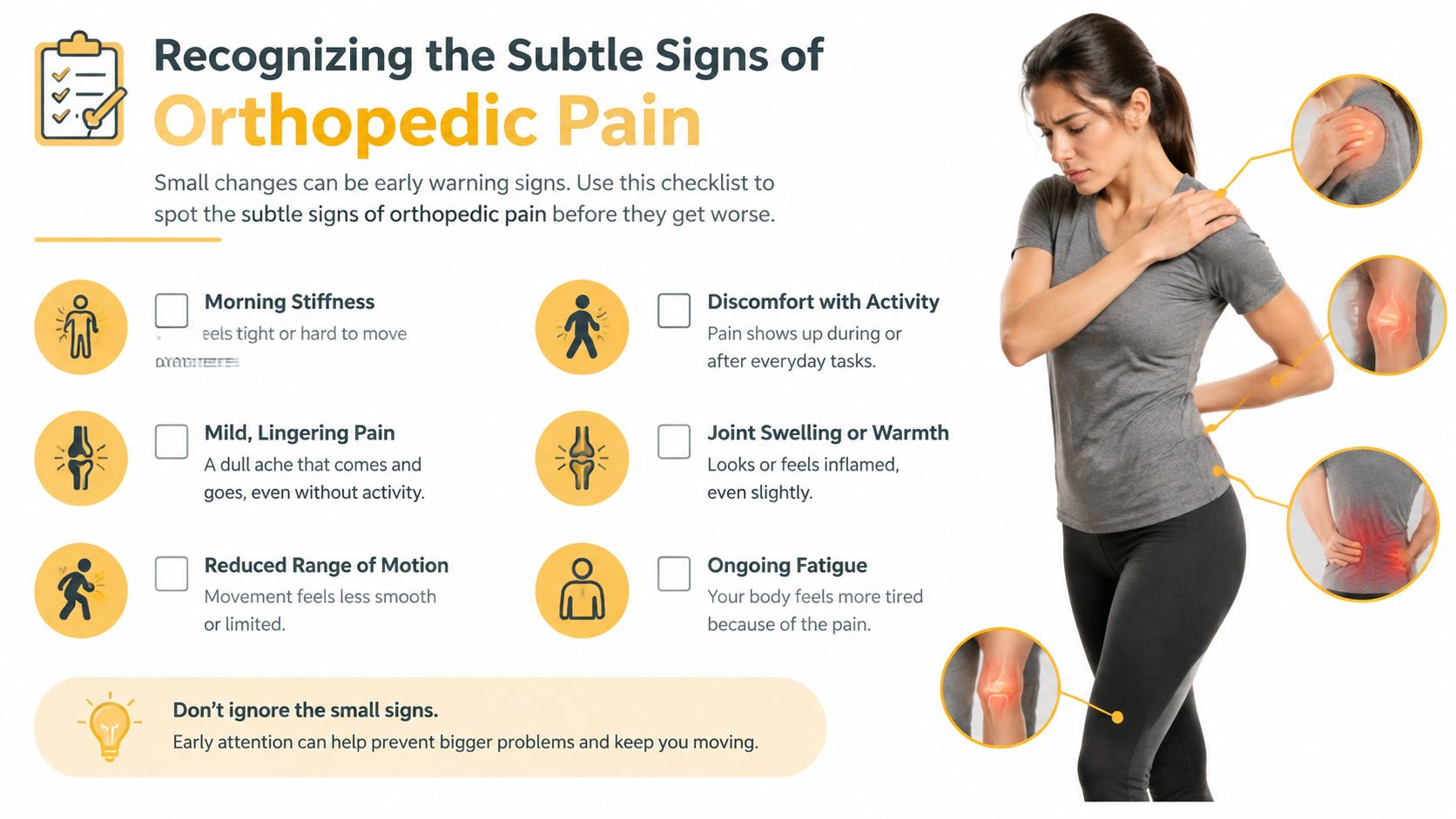
A puppy may hide discomfort behind excitement. It might still chase a toy, greet visitors, or eat normally while shifting weight away from an injured limb. Your job isn't to diagnose the growth plate at home. It's to notice a meaningful change from your puppy's normal movement.
Start with the event
Write down what happened while the details are fresh. A fall, collision, awkward landing, trapped paw, or sudden yelp gives the veterinarian useful context. Note which limb seemed affected and whether the puppy used it immediately afterward.
Don't repeatedly recreate the movement to “test” the leg. Repeated jumping, stairs, or forced walking can worsen pain and makes the observation less useful.
Look for patterns, not one awkward step
Normal puppy clumsiness is usually brief and inconsistent. Orthopedic discomfort is more likely when a change persists, returns, or appears in specific situations.
Check for:
- Weight shifting: The puppy stands with less weight on one limb or repeatedly lifts a paw.
- Starting stiffness: Movement looks worse after rest, then changes once the dog takes a few steps.
- Reluctance to jump: The puppy stops entering the car, climbing a step, or getting onto a familiar surface.
- Altered sitting: It sits with one hind leg pushed out, avoids bending a joint, or repeatedly changes position.
- Swelling or heat: One area looks different from the matching limb or feels warmer.
- Changed play: The puppy stops mid-game, avoids turns, or tires unusually quickly.
- Vocalization or guarding: It cries when touched, pulls away, or protects a limb.
Decide how quickly to act
Seek urgent veterinary care after major trauma, an obvious deformity, inability to bear weight, severe swelling, or intense pain. Prompt assessment is also sensible when lameness persists or keeps returning, even if the puppy seems cheerful.
Radiographs can help evaluate fractures and alignment, but the need for imaging depends on the examination and the suspected injury. A veterinarian may recommend restricted activity first, imaging immediately, or follow-up observation. Early professional guidance is safer than waiting for a visible bend to develop.
A puppy doesn't need to look dramatically ill for a limb problem to deserve attention.
Until you receive advice, use calm confinement. Keep food and water nearby, avoid slippery floors, and prevent play with other animals. Don't give human pain medicine unless a veterinarian specifically directs you.
Managing Exercise and Nutrition During Growth
A developing skeleton benefits from movement, but the type and intensity of movement matter. Controlled activity builds coordination and supports muscle development without turning every outing into repeated impact. The best routine gives a puppy opportunities to explore while limiting situations that create forceful, poorly controlled landings.
Choose movement your puppy can control
Favor short, varied activity on forgiving surfaces. Let your puppy sniff, walk, and change direction naturally rather than demanding sustained speed or repetitive jumping.
Useful habits include:
- Use leash walks for structure: Keep the pace comfortable and allow pauses.
- Choose stable footing: Grass, packed earth, and grippy indoor surfaces are generally easier to manage than slick floors or hard repetitive running routes.
- Limit repetitive fetch: Repeated sprinting, sudden stops, sharp turns, and jumping can create more impact than relaxed exploration.
- Delay high-impact training: Agility-style obstacles, jumps, and intense conditioning should wait until your veterinarian considers the dog's development and structure appropriate.
- Separate rest from confinement after injury: If a puppy becomes lame, stop exercise and ask for veterinary direction rather than deciding independently how much activity is safe.
The popular “five minutes per month of age” rule is often repeated online, but the supplied research notes that this guidance isn't backed by scientific studies. Treat any fixed formula as a rough conversation starter, not a medical prescription. Your puppy's breed size, coordination, body condition, temperament, surface, and recovery all matter.
Feed for balanced growth
Nutrition can support development, but more isn't better. Feed a complete diet appropriate for the puppy's expected adult size, follow the product's feeding guidance, and keep treats accounted for. Avoid adding calcium or other concentrated nutrients without veterinary advice, since unnecessary supplementation can disrupt the balance of a carefully formulated growth diet.
Body condition deserves daily attention. Excess weight increases the mechanical demand on developing joints and limbs, while overly restrictive feeding can undermine healthy development. Ask your veterinary team to assess body condition by looking and feeling, not by relying only on a scale.
Treat supplements as targeted support
A supplement can't repair a fractured growth plate or prevent every inherited orthopedic problem. It also shouldn't replace a complete diet, a sensible exercise plan, or an examination when a puppy is lame.
If you're considering a powder for a growing dog, discuss the ingredients and dose with your veterinarian first. Pure Paw Labs explains its approach to puppy supplementation in this guide to puppy supplement powder. The decision should account for the puppy's diet, expected size, health history, and any nutrients already supplied by food.
The strongest daily plan is simple: balanced food, a lean body condition, controlled play, good traction, and rapid response to abnormal movement. Those habits address more of the risk than a complicated supplement routine alone.
Building a Foundation for Lifelong Joint Health
Skeletal care doesn't end when a puppy reaches its adult height. Early movement habits influence coordination and muscle support, while an untreated injury can alter how a dog loads its limbs. Consistent observation gives you a better chance of identifying stiffness, uneven gait, or reduced willingness to move before the problem becomes severe.
Keep the long-term plan practical:
- Review body condition regularly: Adjust food with your veterinary team as growth and activity change.
- Progress exercise gradually: Increase duration or intensity one change at a time.
- Maintain traction: Safe footing remains useful beyond puppyhood.
- Recheck recurring symptoms: Repeated lameness deserves an explanation, not repeated rest without diagnosis.
- Match supplements to the life stage: A product designed for aging-dog support may not be appropriate for a growing puppy.
For broader reading about mobility products and their intended uses, you can browse Cartalax peptide benefits as a separate educational resource. Always discuss any peptide or supplement product with a qualified veterinary professional before giving it to your dog.
When you're evaluating a joint supplement for an adult dog, this guide to dog joint supplements can help you think through ingredients, goals, and appropriate veterinary oversight. The central principle stays the same at every age: support healthy movement, keep expectations realistic, and investigate pain rather than masking it.
Pure Paw Labs offers daily dietary supplements formulated for broad areas of canine wellness, including joints, gut health, skin and coat, immunity, and stress support. If you're building a nutrition routine around your dog's changing needs, visit Pure Paw Labs and review the product information with your veterinarian.